


San Bruno Mountain has yet again fallen into the battle between developers and environmentalists, this time over a quarry nestled below its ridge that has been a source of mined aggregate material since 1895.
A major redevelopment proposed by Orchard Partners hopes to close the Guadalupe Quarry and construct a 1.3-million-square-foot warehouse building and annex approximately 104 acres into city limits — 36 of those would be protected by a conservation easement and 46 would be offered to the county as public open space.
The proposal looks to create up to 1,500 jobs in Brisbane — though applicant and Managing Partner Tyler Higgins is “not speculating on possible tenants” — and increase revenue for the city. The warehouse looks to address a “huge need” on the Peninsula.
“This project was designed to be a win-win for San Bruno Mountain and the City of Brisbane,” Higgins said in a statement.
Many environmental activist organizations have chimed in opposing the proposal, believing it ultimately harms the mountain and threatens the habitat of three species of federally endangered butterflies.
“Some of these butterflies are found nowhere else,” said Del Schembari, a member of the Mountain Butterfly Collective, an organization fighting against the development. “This is a classic economic gain versus destruction of the environment case to me.”
For David Schooley, these battles to preserve the natural habitat and protect endangered species have continued since the 1970s. As founding member of San Bruno Mountain Watch, which used to be the Committee to Save San Bruno Mountain, Schooley has dedicated his time to informing communities around protecting open spaces.
“It’s not just a butterfly or plant, but it’s an ancient presence that is vanishing,” Schooley said. “There is so much importance to understand a species that is on the way to go. It’s not just that butterfly or plant.”
Though a proponent of closing the quarry, activists imagine “recovery and restoration” of it rather than redevelopment.
“If allowed to recover, independently and with the help of active remediation and ecological restoration, the quarry slopes and grounds can continue weaving themselves back into the life of the mountain,” the Mountain Watch website reads.
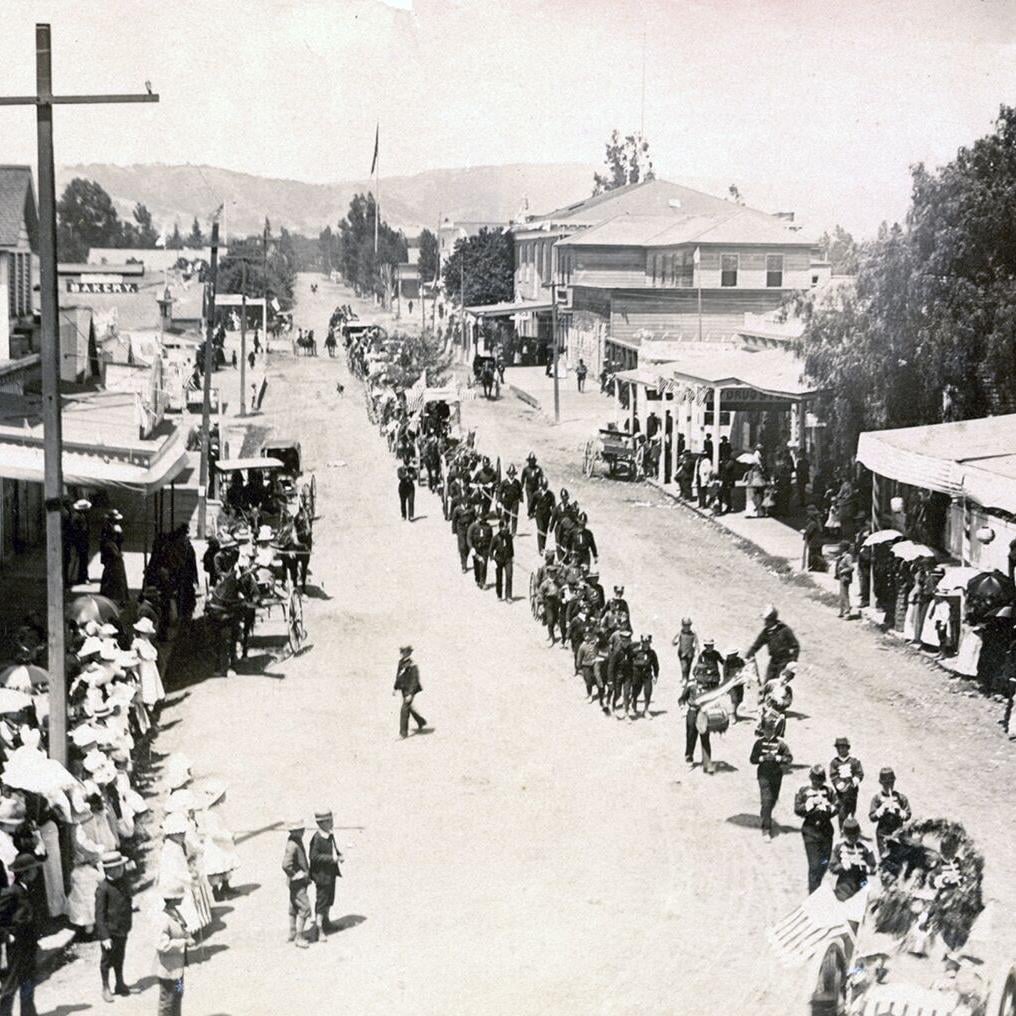
Since 2020, production at the quarry has significantly lessened, though remains ongoing and has enough aggregate material to be mined for another 20 or so years. Historically, mining at the quarry has provided materials to Highway 101 and the San Francisco International Airport.
In 2006, Brisbane residents overturned a residential redevelopment proposal, and mining activity has continued, though an industrial development could be considered according to the city’s general plan.
Recommended for you
The development proposal and finalized environmental impact report will be considered by Brisbane City Council by early next year. Mayor Cliff Lentz said he will wait until it’s presented to speculate on its potential in moving forward.
“For any type of large-scale development, I really look at it through a lens of sustainability, and that’s looking at the environment, equity and economics,” Lentz said. “All three have to be intertwined and work with each other.”
In the draft environmental impact report, the impact of the development outlines significant harms and possible mitigation efforts, which Higgins said developers will gladly comply with.
“The site is complex,” Higgins said. “We’re proposing money for the Habitat Conservation Plan, easements, and putting land into conservation status, we’re giving land to the county. This is pretty environmentally forward.”
“Some will never like this project, but that has always been the intention, to be a project to take care of the mountain,” Higgins said.
However, even with mitigation efforts proposed in the draft environmental impact review, the project would have a “significant and unavoidable” impact on vehicle miles traveled, the region’s greenhouse gas emissions, and wasteful consumption of energy. The construction and relocation of utilities and service systems would also be unavoidable, and have negative environmental impacts on the area.
Efforts to increase awareness around the issue will continue, Schembari said. After going door to door, he said the proposal seemed “wildly unpopular.”
“Over many years going door to door, that’s the only way to make something work,” Schembari said. “We’re going all throughout Brisbane, and if we have to do it a second time, we want people to be aware of it.”
In the early 1970s, a proposal for a major high-rise residential development led conservationists to create the Committee to Save San Bruno Mountain and led the Board of Supervisors to vote against the project. Since, activists have also fought to make the mountain a state park, preserve the Daly City Dunes and maintain open space.
Schooley said after the “number of battles” environmentalists have fought to protect the mountain, it’s a miracle that the mountain has been saved, but defending the land will continue.
“It’s a scary time now for our planet,” Schooley said. “It’s so important for local people who know and love the land to work on that, to really intensely care for something. Otherwise we’re in trouble.”











(3) comments
If we want to talk about Butterflies I would love to - I am a bit of an aficionado on t rhopalocera. Going to school in Santa Barbara we would experience the Monarch butterfly migration south - just a few years ago there were thousands in the Goleta Grove on their way down to Mexico which was their final destination to pollinate/breed warm up. However - due to the Cartel Avocado Wars in Mexico and the destruction of milkweed habitats along the way - the Monarch Butterflies stopped in Pismo this year because even they knew not to go to Mexico anymore. I went down to Santa Barbara in December to see the counts - and the number was 7. If you want to point a finger at the culprit impacting Butterfly populations and migrations - look to the Mexican Cartels.
How is this a win for San Bruno Mountain? That is a complete fabrication and developer double-speak for you. This project is disruptive to a very complex ecological system. Remember, once the butterflies are gone, they're gone forever.
Thank you for your excellent article Ms. Mata. Our green spaces - the hills and marshlands of San Francisco Bay are what makes the Bay Area such an incredible place to live and work. I fully support restoration of the quarry site back to native habitat.
Welcome to the discussion.
Log In
Keep the discussion civilized. Absolutely NO personal attacks or insults directed toward writers, nor others who make comments.
Keep it clean. Please avoid obscene, vulgar, lewd, racist or sexually-oriented language.
Don't threaten. Threats of harming another person will not be tolerated.
Be truthful. Don't knowingly lie about anyone or anything.
Be proactive. Use the 'Report' link on each comment to let us know of abusive posts.
PLEASE TURN OFF YOUR CAPS LOCK.
Anyone violating these rules will be issued a warning. After the warning, comment privileges can be revoked.