At first the plan for the property a block from UC Berkeley was modest: build a two-unit accessory dwelling behind a pair of small apartment buildings.
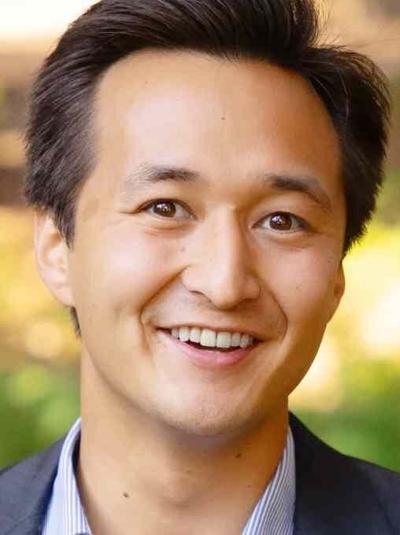
Rigel Robinson
Since then, Berkeley’s zoning board has approved a dramatically different vision for the site: a 20-story tower with 169 apartments. When complete, it will be the tallest structure in Berkeley’s Southside neighborhood.
The project’s evolution captures how quickly Berkeley’s housing landscape can change, as the city and state embrace pro-housing policies. It also shows how one California community can switch its approach to solving its housing problems.
For years, Berkeley’s shortage of student housing near campus has caused ripples throughout the broader rental market. Students were pushed to live far from campus, which drove up rents citywide.
It’s a student housing crisis within a citywide housing crisis.
In 2023 Berkeley adopted a major upzoning plan for the Southside neighborhood, after years of debate over how to relieve the housing shortage. The rezoning campaign, launched when I was a student at UC Berkeley and completed during my tenure on the City Council, allowed taller and denser buildings near campus.
The final vote was contentious. Some council members proposed last-minute restrictions. But a pro-housing majority advanced the plan.
At the same time, lawmakers in Sacramento were rewriting rules to help cities grow and meet their housing needs. Changes to the state’s density bonus law, including Assembly Bill 1287, signed in 2023, allow developers to exceed local height limits if they include additional affordable units on site.
Together, those reforms transformed what was possible at the Berkeley site, at 2425 Durant Avenue. Yes Community Architects included additional affordable homes into the project, triggering the density bonus and unlocking additional height beyond Berkeley’s new zoning limits.
But the journey to project approval has been complicated.
Once plans for the site were in motion, the Berkeley Architectural Heritage Association tried to make the existing property at the site a landmark, a move consistent with its pattern of targeting sites slated for new housing.
Recommended for you
The city council unanimously rejected the landmarking attempt. Now, the project has its permit but an appeal has been filed.
When built, the 20-story structure will undoubtedly make some Berkeley residents uncomfortable. But after decades of restricting growth, the city has little standing to object.
Berkeley’s political culture has shifted, slowly but decisively, from resistance to responsibility. That shift didn’t come easily.
For years, progress was stymied by neighborhood opposition and a city council wary of change. But cycle after cycle, pro-housing candidates won elections, reshaping the city’s politics and setting a new course.
And on campus at UC Berkeley, Chancellor Carol Christ championed new student housing, a cause her predecessors had neglected. From Anchor House to People’s Park, the city’s skyline is being remade by new housing for students.
The result is a city that has become one of California’s most surprising housing reform success stories: a community that, after years of hesitation, is building with urgency.
That progress remains fragile. Across the state, local resistance continues to stall housing projects. Perhaps it’s best exemplified by the resistance of Los Angeles’ city leaders to the recently signed Senate Bill 79, which encourages the development of dense housing around public transit locations.
We have much work to do to move public consciousness around solutions to the housing crisis.
Berkeley’s experience shows that change is possible when local and state reforms align, and when communities are willing to let go of outdated fears about growth. The 169 new homes coming to 2425 Durant are the product of years of advocacy and persistence from residents tired of watching their friends and neighbors priced out.
Progress in city halls and the state Capitol can be slow. But once reform takes hold, transformation can come fast. When the political will exists, even a two-unit idea can grow into a 20-story solution.
Rigel Robinson is a former member of the Berkeley City Council. He wrote this for CalMatters, a nonprofit, nonpartisan media venture explaining California policies and politics.
Keep the discussion civilized. Absolutely NO
personal attacks or insults directed toward writers, nor others who
make comments. Keep it clean. Please avoid obscene, vulgar, lewd,
racist or sexually-oriented language. Don't threaten. Threats of harming another
person will not be tolerated. Be truthful. Don't knowingly lie about anyone
or anything. Be proactive. Use the 'Report' link on
each comment to let us know of abusive posts. PLEASE TURN OFF YOUR CAPS LOCK. Anyone violating these rules will be issued a
warning. After the warning, comment privileges can be
revoked.
Please purchase a Premium Subscription to continue reading.
To continue, please log in, or sign up for a new account.
We offer one free story view per month. If you register for an account, you will get two additional story views. After those three total views, we ask that you support us with a subscription.
A subscription to our digital content is so much more than just access to our valuable content. It means you’re helping to support a local community institution that has, from its very start, supported the betterment of our society. Thank you very much!



(0) comments
Welcome to the discussion.
Log In
Keep the discussion civilized. Absolutely NO personal attacks or insults directed toward writers, nor others who make comments.
Keep it clean. Please avoid obscene, vulgar, lewd, racist or sexually-oriented language.
Don't threaten. Threats of harming another person will not be tolerated.
Be truthful. Don't knowingly lie about anyone or anything.
Be proactive. Use the 'Report' link on each comment to let us know of abusive posts.
PLEASE TURN OFF YOUR CAPS LOCK.
Anyone violating these rules will be issued a warning. After the warning, comment privileges can be revoked.