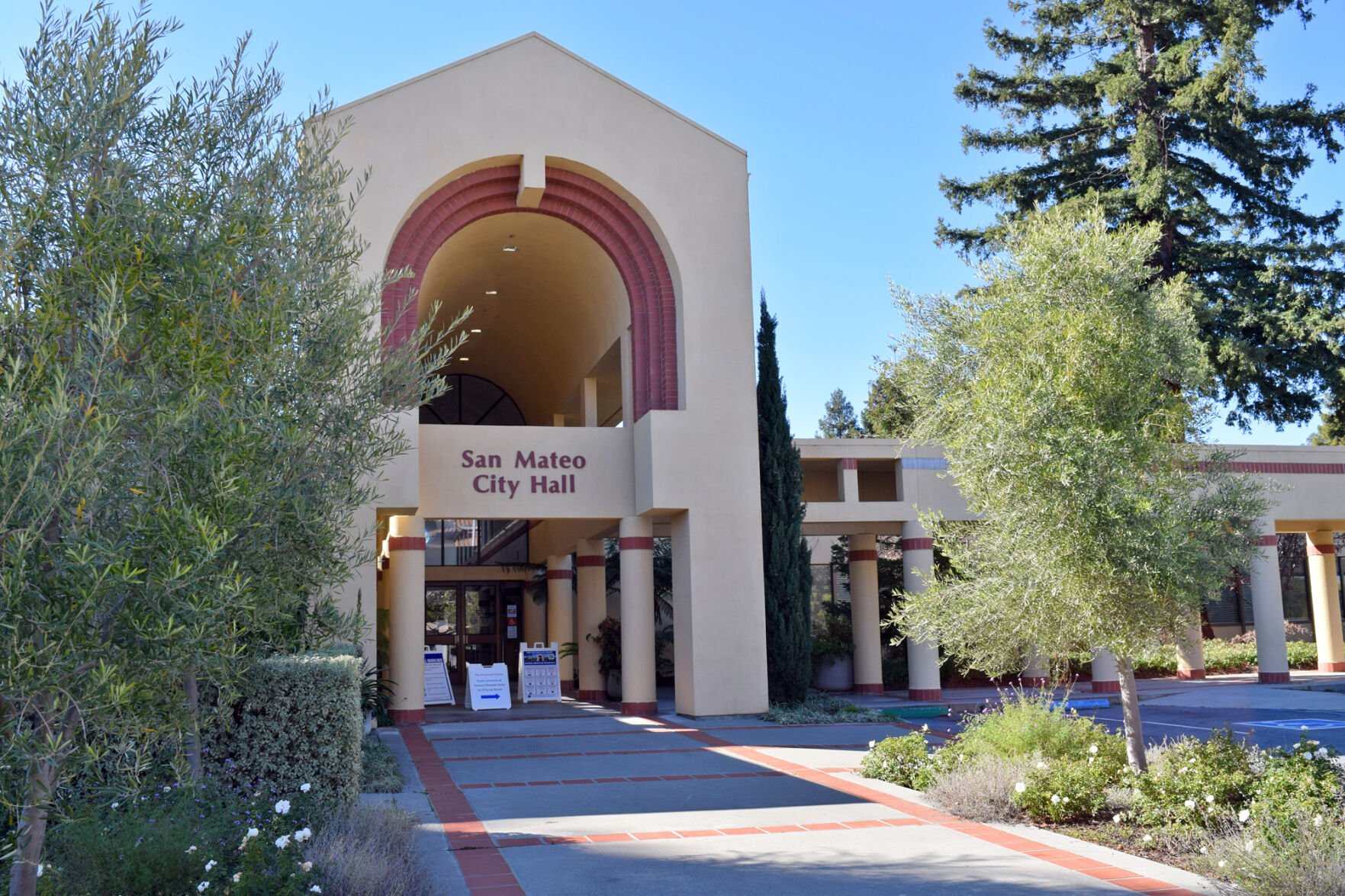
San Mateo is seeking public comment on its draft housing element, a crucial document that establishes goals and policies for how the city will address current and future housing needs.
The city recently published a 2023-2031 draft housing element, which identifies needs, describes where new housing can be developed and creates a plan for producing housing. The 30-day public review period goes from April 6 through May 6. The state mandates each city create a housing element. San Mateo will be responsible for developing zoning accommodations for at least 7,015 new housing units over the next eight years. The Regional Housing Needs Allocation number is assigned by the Association of Bay Area Governments, a regional planning agency responsible for helping local cities absorb changes around land use, housing and the environment. San Mateo itself does not have to build the units. However, it is responsible for identifying land suitable for housing, including vacant sites and sites having potential for redevelopment to meet the 7,015 number.
The city has identified 10,922 units for development, a conservative estimate to ensure a higher likelihood of housing. Around 1,845 units are in the Bridgepointe area, 2,400 near the Hillsdale Station South, 2,000 near the Highway 101 and State Route 92 interchange, 4,000 at other sites, and 480 ADUs. Around 2,000 would be very low income, 1,500 low, 1,600 moderate and 5,600 above average.
The housing element is part of the more extensive general plan process, which guides the city’s vision for the foreseeable future. The housing element is expected to be a much-discussed and examined document. Significant portions of residents want to see more done to address the housing and affordable housing shortages that lead to increasingly unaffordable prices and residents forced to move elsewhere. Others want to limit and manage growth and density amid concerns about overcrowding and traffic. Measure Y, a 2020 voter ballot initiative limiting building height and residential density by those concerned about continued growth, will also play a role in the housing element and determine how much housing the city can build and in what area.
Keep the discussion civilized. Absolutely NO
personal attacks or insults directed toward writers, nor others who
make comments. Keep it clean. Please avoid obscene, vulgar, lewd,
racist or sexually-oriented language. Don't threaten. Threats of harming another
person will not be tolerated. Be truthful. Don't knowingly lie about anyone
or anything. Be proactive. Use the 'Report' link on
each comment to let us know of abusive posts. PLEASE TURN OFF YOUR CAPS LOCK. Anyone violating these rules will be issued a
warning. After the warning, comment privileges can be
revoked.
Please purchase a Premium Subscription to continue reading.
To continue, please log in, or sign up for a new account.
We offer one free story view per month. If you register for an account, you will get two additional story views. After those three total views, we ask that you support us with a subscription.
A subscription to our digital content is so much more than just access to our valuable content. It means you’re helping to support a local community institution that has, from its very start, supported the betterment of our society. Thank you very much!







(1) comment
The City of San Mateo County should declare itself a sanctuary city from the Regional Housing Needs Allocation (RHNA).
Welcome to the discussion.
Log In
Keep the discussion civilized. Absolutely NO personal attacks or insults directed toward writers, nor others who make comments.
Keep it clean. Please avoid obscene, vulgar, lewd, racist or sexually-oriented language.
Don't threaten. Threats of harming another person will not be tolerated.
Be truthful. Don't knowingly lie about anyone or anything.
Be proactive. Use the 'Report' link on each comment to let us know of abusive posts.
PLEASE TURN OFF YOUR CAPS LOCK.
Anyone violating these rules will be issued a warning. After the warning, comment privileges can be revoked.