By PAUL WISEMAN and ANNE D'INNOCENZIO AP Business Writers
Updated
U.S. employers added a surprising 172,000 jobs in May as the labor market continued to show resilience in the face of rising costs from the Iran war. The Labor Department reported Friday that job growth was down slightly last month from a revised 179,000 in April. The unemployment rate stayed at a low 4.3%. The job market has been recovering this year from a miserable 2025, so far shrugging off higher energy prices and increased economic uncertainty since the United States and Israel attacked Iran in late February.
By CHRISTOPHER RUGABER and PAUL WISEMAN Associated Press Writers
A key inflation gauge accelerated in April to the highest level in three years, the latest sign that spiking gas prices and higher food costs are squeezing Americans' finances. Inflation jumped to 3.8% in April compared with a year ago, the Commerce Department said Thursday, up from 3.5% in March and the highest since May 2023. On a monthly basis, prices rose 0.4%, down from the 0.7% rise in March. The report showed that prices have risen for many items in addition to gas, a sign inflation could persist and pose problems for congressional Republicans in this year's midterm elections.
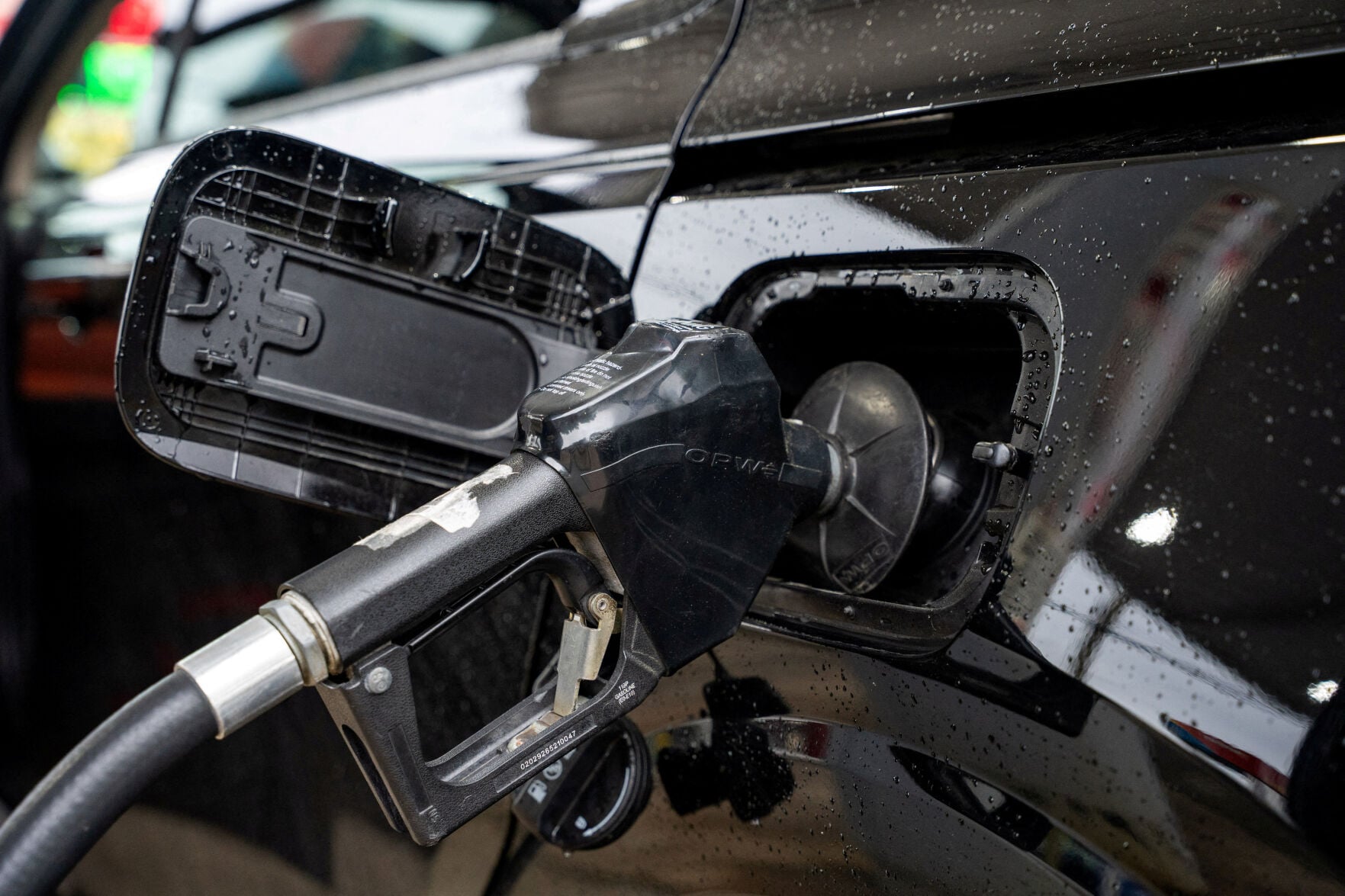
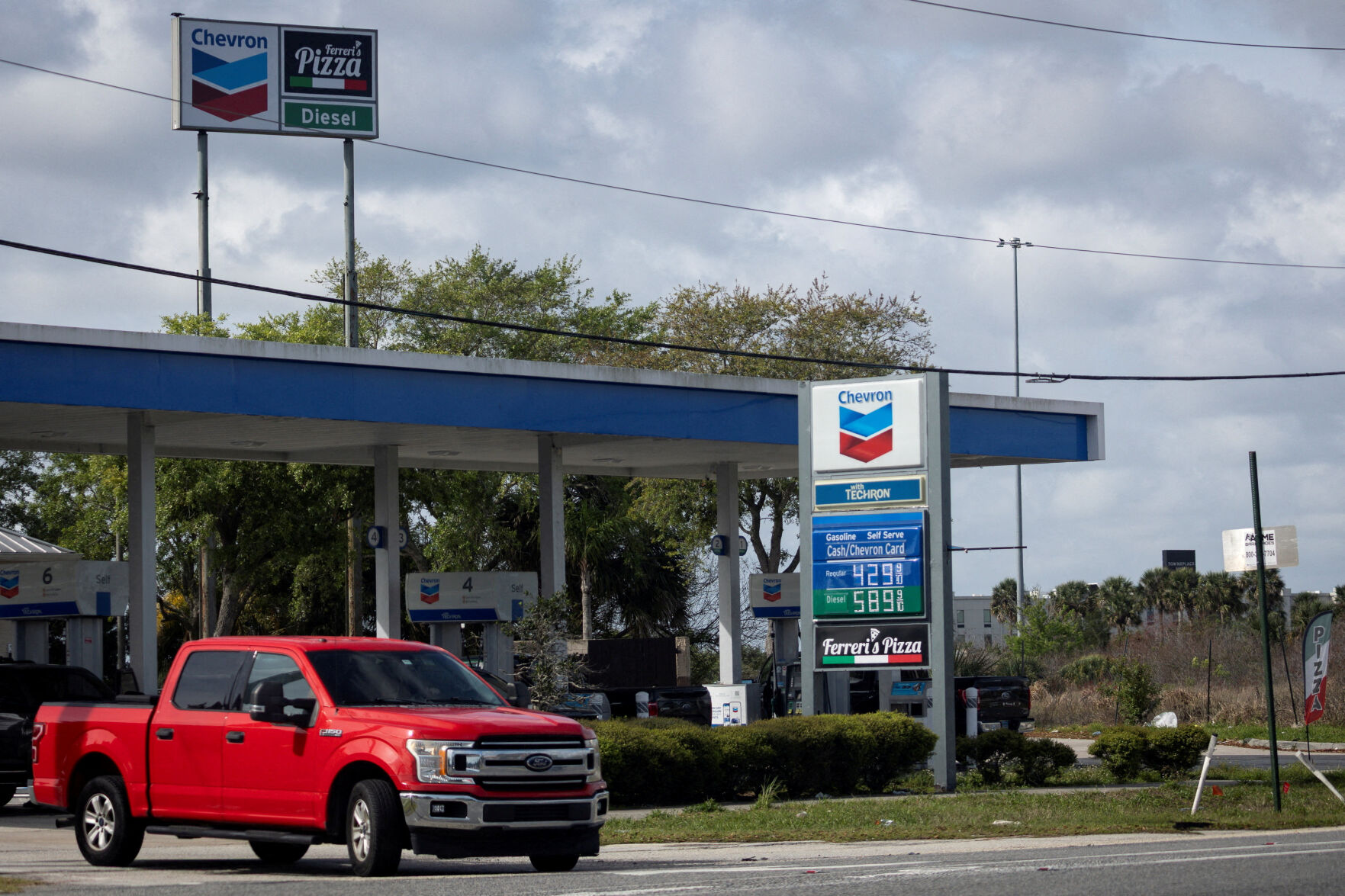
U.S. consumer confidence declined slightly this month as gas prices stayed high and inflation remained elevated, a sharp contrast to soaring stock prices that have neared record levels. The Conference Board's consumer confidence index on Tuesday slipped 0.7 points to 93.1 in May, the first decline after three months of gains. Americans have soured on President Trump's economic policies, polls show, potentially creating problems for Republicans heading into the midterm elections. Gas prices have soared to a nationwide average of $4.49 a gallon from $2.98 just before the war began at the end of February, and have been at or above $4.50 a gallon for nearly all of May.
U.S. consumer confidence rose modestly in April despite growing anxiety over soaring energy prices brought on by the war in Iran. The Conference Board said Tuesday that its consumer confidence index inched up to 92.8 in April from 92.2 in March. Respondents' comments about prices, oil, gas and the war increased in April as the national average for a gallon of gas in the U.S. rose to $4.18 this week. The last time U.S. drivers were collectively paying this much at the pump was nearly four years ago, following Russia's invasion of Ukraine.
By PAUL WISEMAN and ANNE D'INNOCENZIO AP Business Writers
American employers added a surprisingly strong 178,000 new jobs last month, rebounding from a dismal February. And the unemployment rate dipped to 4.3%. The Labor Department reported Friday that hiring marked a rebound from the loss of 133,000 jobs in February. The job gains were about three times what economists had forecast. The unemployment rate was down from 4.4% in February. But uncertainty surrounding the war with Iran — and its impact on energy prices — is clouding the outlook for the labor market.
A new Gallup survey finds that Americans' outlook on the job market is increasingly pessimistic. The negative shift may seem incongruous with the low unemployment rate, but the findings likely reflect an ongoing hiring drought. Just 28% of workers in a quarterly Gallup survey conducted in the last part of 2025 said now is a "good time" to find a job, with 72% saying it is a bad time. Those figures are a sharp reversal from just a few years ago, in mid-2022, when 70% said it was a good time. Pessimism is especially pronounced among young people and college graduates.
The Iran war has scrambled the Federal Reserve's outlook on inflation and unemployment and will likely further delay interest rate cuts this year, putting off any relief for consumers struggling with high borrowing costs for home and car purchases. The spike in oil and gas prices presents already-divided Fed officials with a worst-case scenario as they conclude a key meeting Wednesday. Costlier gas will raise inflation in the short run, which typically causes the central bank to raise borrowing costs — or at least leave them unchanged. Yet if the spike is high enough or lasts long enough, it could hammer the economy and push up unemployment, which the Fed would typically respond to by cutting its key rate.
By CHARLOTTE KRAMON, ALEX VEIGA and MARY CLARE JALONICK Associated Press
In a rare bipartisan effort for a deeply divided Congress, the Senate has passed a broad bill to make U.S. housing more accessible and affordable. The bill passed on Thursday would reduce regulations, regulate corporate investors and expand how housing dollars can be used to build affordable homes and rentals. It now heads back to the House, which passed a separate version earlier this year. It is unclear whether President Donald Trump would sign it after declaring last weekend that he won't sign any new measures unless Congress passes legislation that would require voters to show proof of citizenship.