
History museum expansion in works
A $6 million pledge to the San Mateo County Historical Association has accelerated a project to build a three-story structure expected to showcase the association’s collection of 29 horse-drawn carriages. Mitch Postel, president of the San Mateo County Historical Association, said the pledge on behalf of Tad Taube will help make the exhibit planned for a lot at the rear of the San Mateo County History Museum in Redwood City a reality.
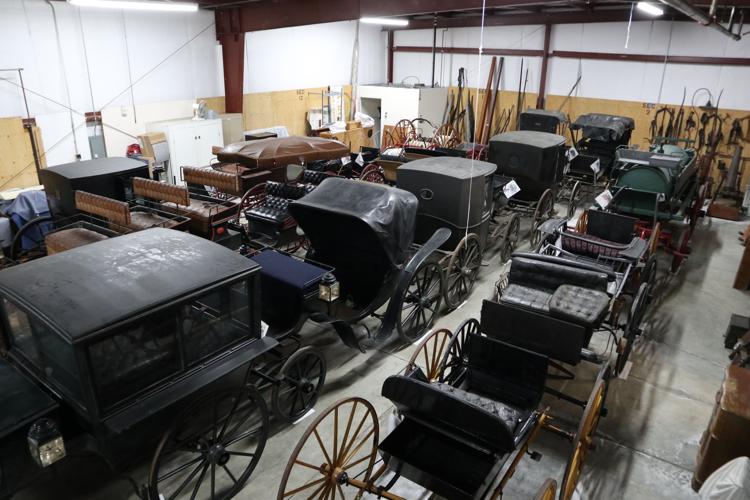
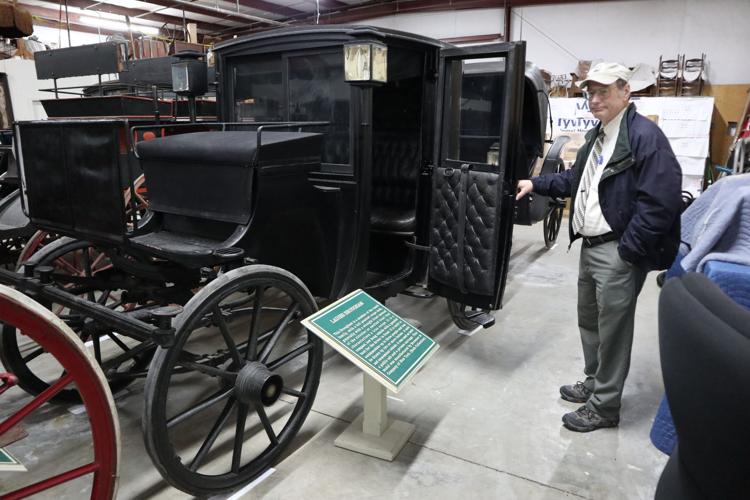
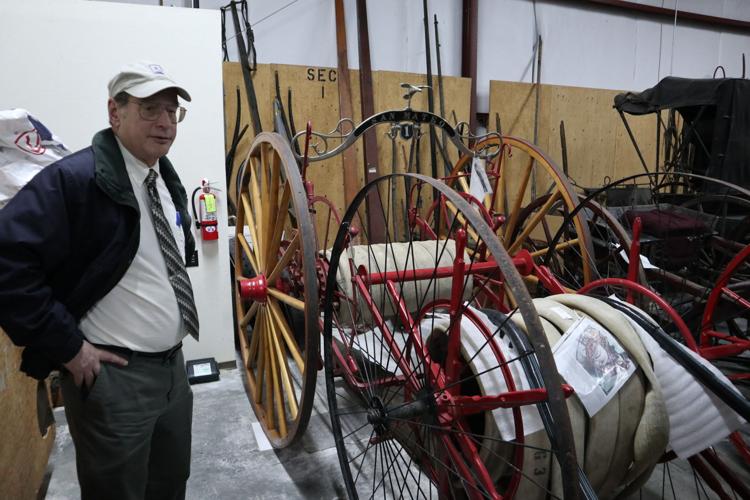
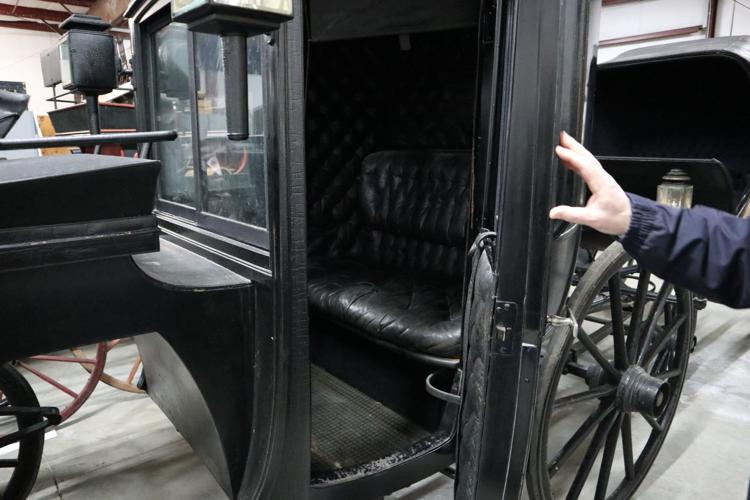
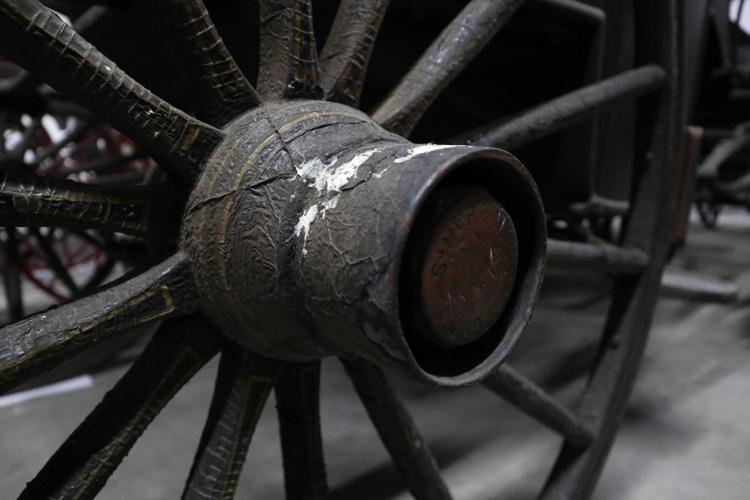
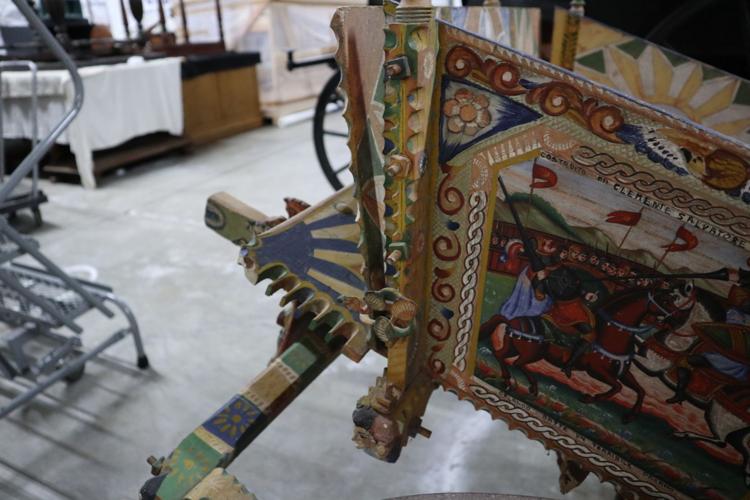
With large wooden wheels and benches adorning the top of its cab, the Light Park Drag carriage in the San Mateo County Historical Association’s collection dates back to a time when recreational carriage rides were popular amongst the dozens of families with estates in San Mateo County.
Capable of holding some 17 passengers and equipped with special compartments for wine and cocktails at the back of the coach, the Light Park Drag produced by Brewster & Co. was a status symbol for those who owned and rode these types of horse-drawn carriages in the mid- to late-1800s, said Mitch Postel, president of the San Mateo County Historical Association.
Postel noted families living in San Mateo County at the turn of the 20th century might travel to a polo tournament at the Burlingame Country Club, for example, and seat servants inside the coach while the ladies and gentlemen rode on benches fastened on top of it.
“When you had a Light Park Drag, it was not to roam around the countryside,” he said. “You had this to see and be seen … it was a party vehicle.”
On display at the San Mateo County History Museum in Redwood City, the carriage first purchased in 1904 by Clarence Wayland Watson, a U.S. senator in West Virginia, offers a glimpse into a chapter of the county’s history, noted Postel.
It’s a window Postel is hoping to open even wider with a project to build a three-story building displaying the association’s collection of 29 carriages at the rear of the History Museum. Though the expansion has been long imagined for the museum’s campus, philanthropist Tad Taube’s $6 million pledge to the building project estimated to cost $8 million has given it a much-needed boost, noted Postel.
Though the project is in its preliminary stages, Postel is hoping it can become a reality in the next three years. Expected to occupy a parking lot in the rear of the museum at the intersection of Marshall Street and Middlefield Road, the building will join the Lathrop House behind the museum once the historic house is moved from its current location at 627 Hamilton St. to another lot behind the museum.
With the first story of the building planned for rotating carriage and automobile exhibits, Postel is hoping the project can also provide space for a wide array of displays. He added the third floor will be a rooftop event space while the second floor will be home to a display of the association’s nine Brewster & Co. carriages, which Postel expects to be lit at night.
Recommended for you
“Driving by at 9 o’clock at night, people from Marshall Street will be able to see in and look at these and they’ll know there’s something really special in that building,” he said.
Known as the best carriage maker in the world in the late 1800s, the New York-based Brewster & Co. produced high-quality carriages purchased by well-to-do members of society, said Postel.
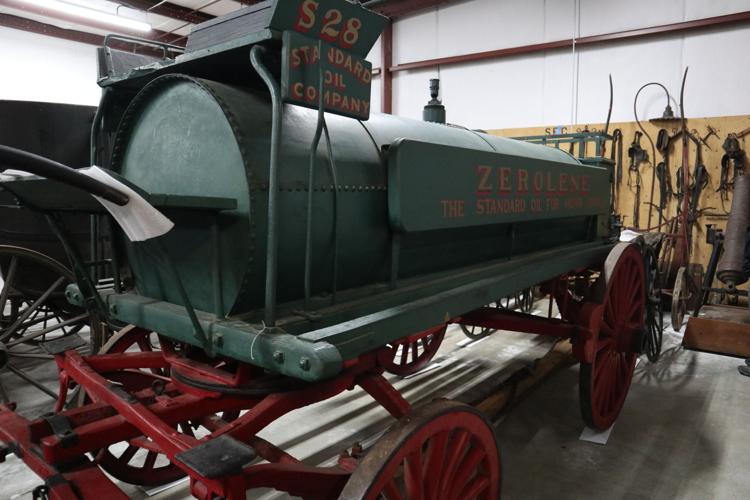
Postel said the nine Brewster carriages in the association’s collection were donated by Lurline Roth, a former owner of Filoli, at around the same time she donated Filoli to the National Trust for Historic Preservation in 1975. He said another 10 carriages were contributed from the Holbrook-Palmer estate in Atherton, and Joseph Sammut, who founded Artichoke Joe’s Casino in San Bruno, also donated vehicles to the collection, among others.
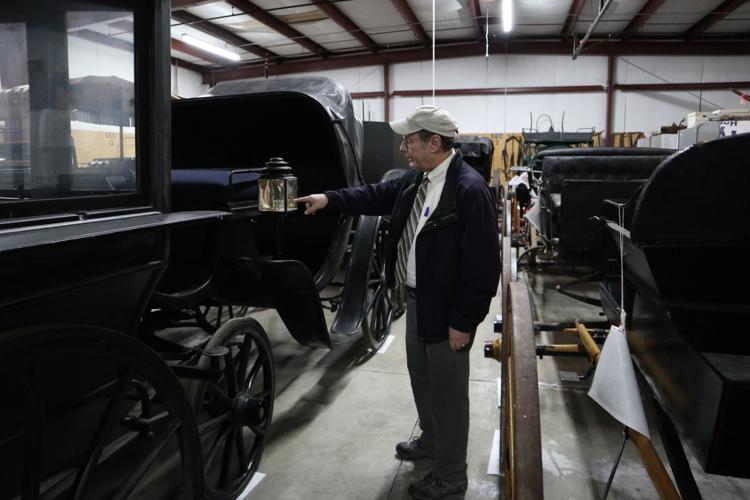
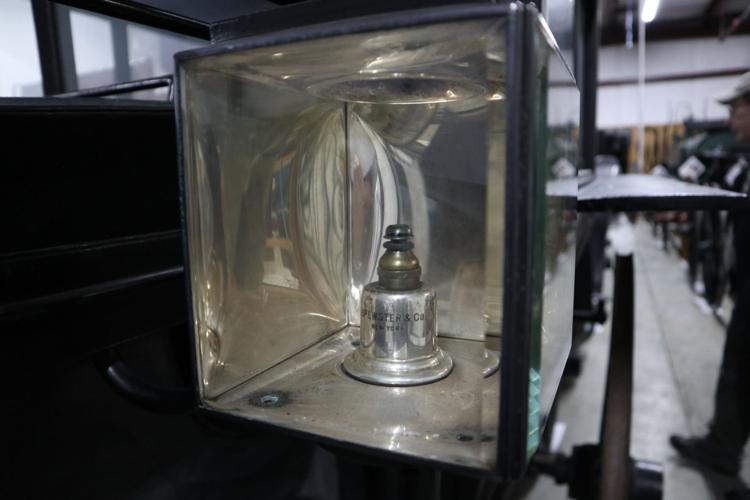
Including a governess cart with a wicker body and a ladies brougham, the collection, which is currently stored in a warehouse in San Mateo County, is largely in good condition and features several intricate details, such as lanterns engraved with the Brewster & Co. name, said Postel. He added the San Mateo County Historical Association has become known among Bay Area and West Coast historical groups for its growing carriage collection, which he is hoping to showcase much like East Coast carriage museums do.
As Postel sets his sights on securing funds for its remaining costs, he hoped the project he has long imagined will give museum visitors a chance to reflect on the many changes that have transpired on the Peninsula since horse-drawn vehicles reigned on county roads. He noted railroads extending from cities are part of the reason wealthier families were able to build larger estates farther away from San Francisco. He said this allowed them to own several horses and carriages and was part of a societal shift that made the suburbs a place where the wealthy sought refuge from city living.
“I think this is a big part of that story,” he said. “I think we can show a big slice of life of what the Peninsula was all about in the late 19th and early 20th century.”
(650) 344-5200 ext. 106




(0) comments
Welcome to the discussion.
Log In
Keep the discussion civilized. Absolutely NO personal attacks or insults directed toward writers, nor others who make comments.
Keep it clean. Please avoid obscene, vulgar, lewd, racist or sexually-oriented language.
Don't threaten. Threats of harming another person will not be tolerated.
Be truthful. Don't knowingly lie about anyone or anything.
Be proactive. Use the 'Report' link on each comment to let us know of abusive posts.
PLEASE TURN OFF YOUR CAPS LOCK.
Anyone violating these rules will be issued a warning. After the warning, comment privileges can be revoked.