
The Impossible Burger
Photos by Zachary Clark/Daily Journal
Created by Redwood City-based Impossible Foods, the Impossible Burger could be found in 200 restaurants just a year ago and is now sold in more than 10,000 restaurants across the country, including Burger King.
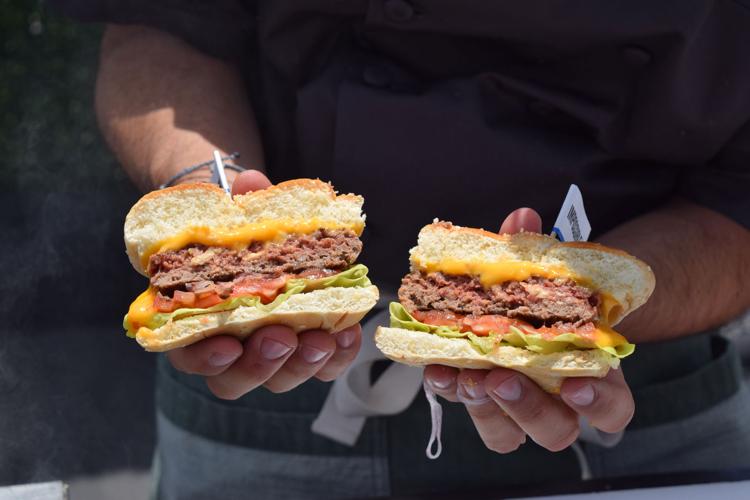
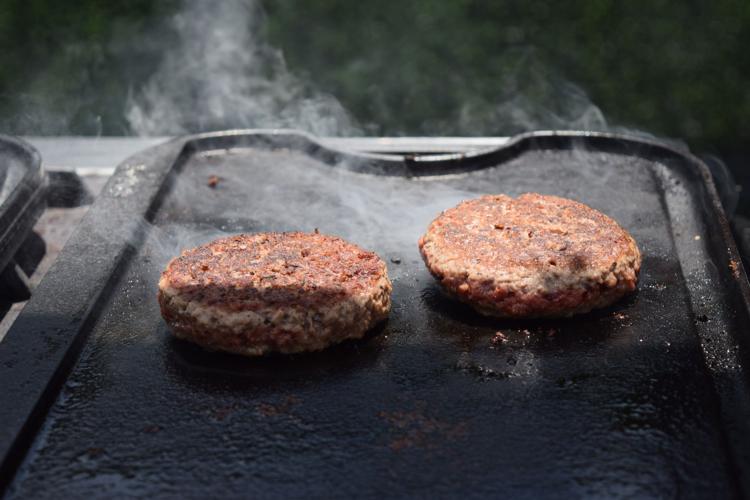
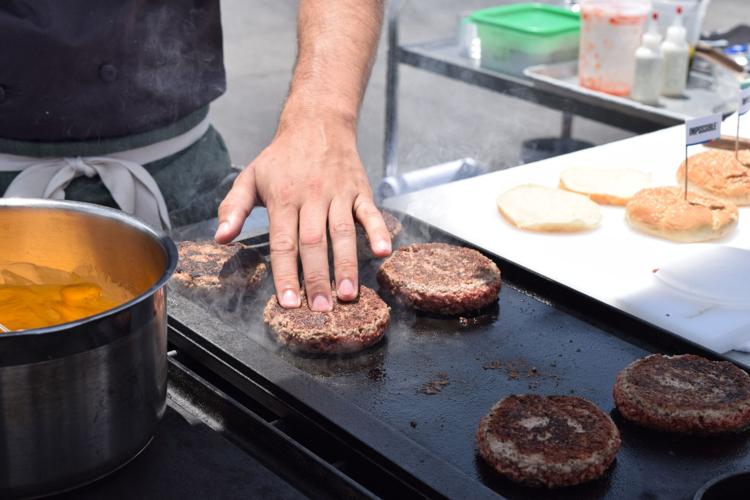
An Impossible Burger cooked medium rare. The vegan patty is made with soy protein, coconut oil, potato protein and no artificial coloring.
- Zachary Clark/Daily Journal
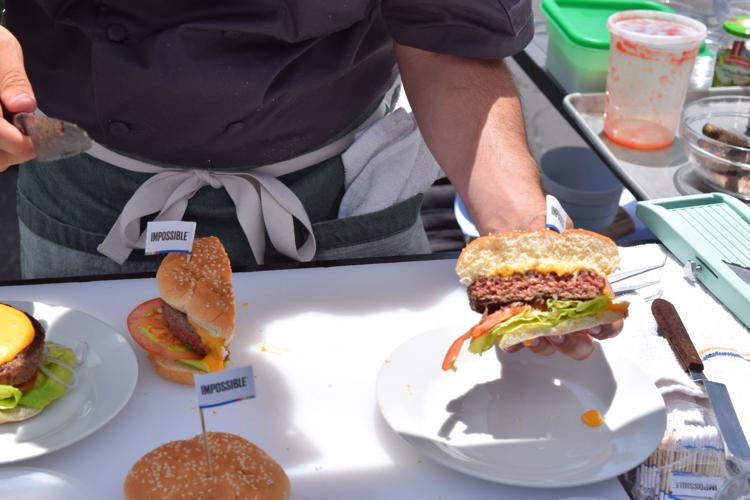
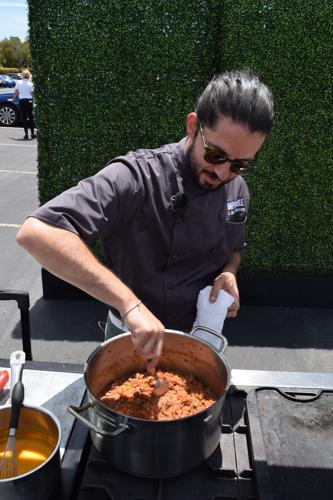
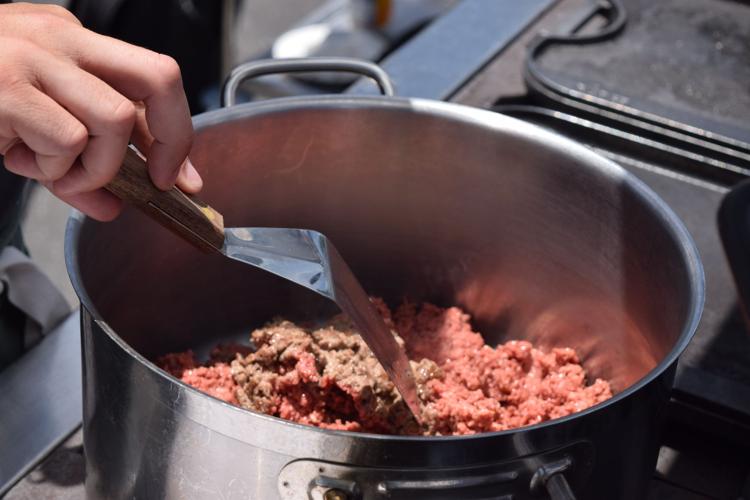
J. Michael Melton, head of the culinary department at Impossible Foods, prepares chili made with Impossible Burger meat.
- Zachary Clark/Daily Journal
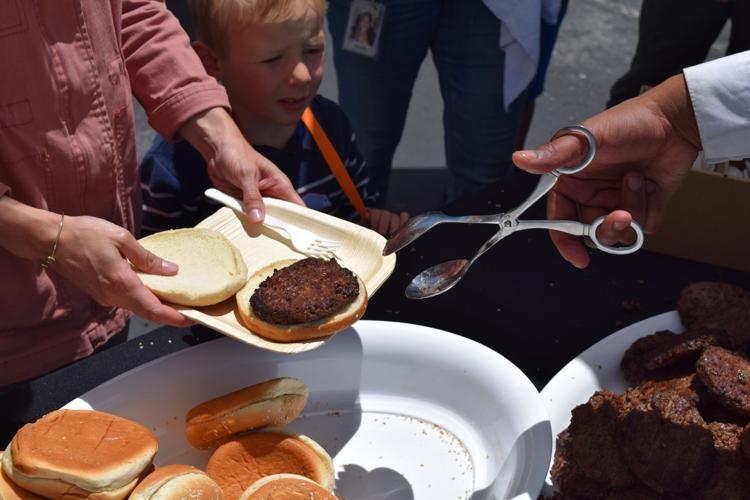
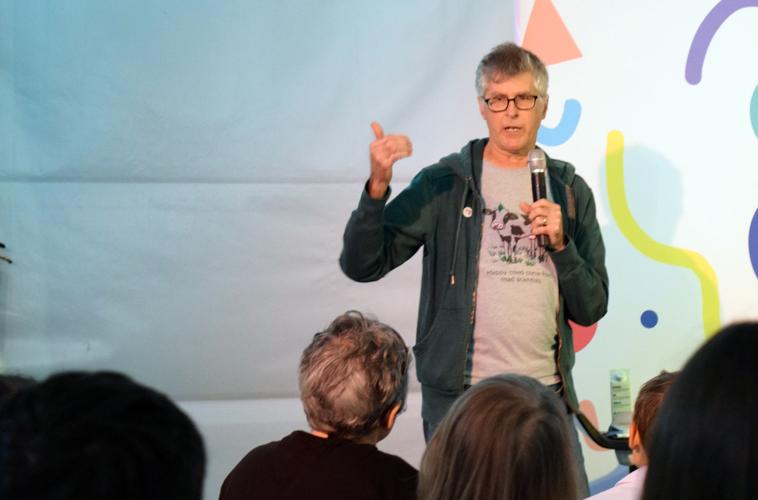
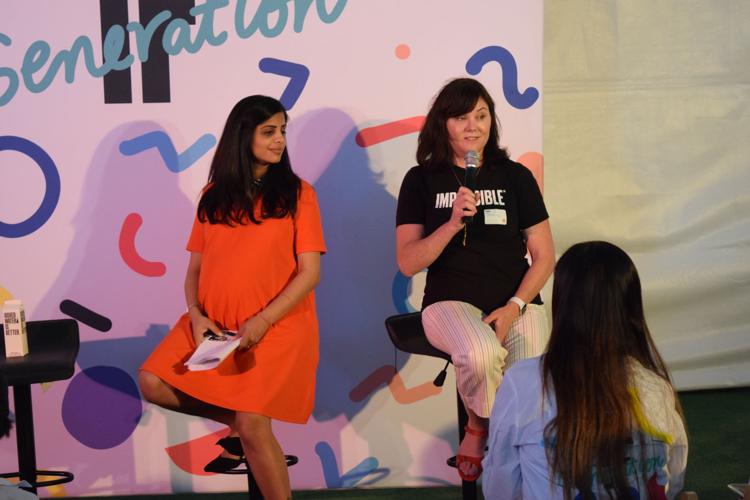
Pat Brown, founder and CEO of Impossible Foods, answers questions from the audience at an open house event June 27.
- Zachary Clark/Daily Journal
Anyone who is still unfamiliar with the plant-based Impossible Burger won’t be for long.
Created by Redwood City-based Impossible Foods, the vegan product could be found in 200 restaurants just a year ago and is now sold in more than 10,000 restaurants across the country, including Burger King.
“[Impossible Burgers] have been huge for Burger King’s business and it’s a win-win for us,” said Impossible Foods founder Pat Brown, adding that when the fast-food chain tested the product in St. Louis, total sales at those locations went up by 18%.
Food delivery service Grubhub is also seeing a “giant rise” in plant-based products, said Jessica Appelgren, the company’s vice president of communications.
“In particular, [Grubhub] is seeing a really giant rise in the Impossible Burger and in the Midwest particularly,” she said.
Known for bleeding just like the real thing, the meatless burgers are so popular that Impossible Foods is struggling to keep up with demand. The company has been frantically hiring and its workers have been taking on extended shifts so that its Oakland-based manufacturing facility can pump out Impossible burgers around the clock.
“There was a surge in demand that was greater and faster than we expected,” Brown said. “We felt bad that we couldn’t keep up with demand. … We’re going all out to try to catch up and we’re on a very good trajectory.”
The company plans to have its product in grocery stores by the end of the year and Brown said he’s also “determined” to make it available in schools.
All that success is no passing trend and demand for plant-based meat is only going to grow, according to a study published Wednesday. While 2 in 10 baby boomers in the United States consume plant-based meat at least once a month, more than half of the country’s Gen Z population eats plant-based meat at least once a month, according to the study.
Commissioned by Impossible Foods, the study also found that younger generations are increasingly willing to eat plant-based meat because it’s “better for the environment.” In 2016, concern for the environment wasn’t in the top 10 reasons consumers cited for their purchase and now it’s number three, according to the study.
Recommended for you
“Most scientific experts now agree that animal agriculture and the use of animals in the food system is a much more urgent problem than fossil fuels, though they’re both urgent,” Brown said. “We have to do something about the food system.”
The product is not intended for vegetarians; the goal is to make a meat alternative that isn’t harmful to the environment. To that end, Impossible Foods’ mission is to replace all meat products with plant-based ones by 2035.
“It’s completely doable,” Brown said. “When [younger generations] are adults I really think they’ll look back and think ‘it was so ridiculous and crazy that we were producing our meat using animals when we can make it so much better, healthier, better for the planet and so forth directly out of plants.”
Brown said Impossible Burger contains the same amount of protein and iron as a beef patty. It’s also more expensive — the product at Burger King is $1 more than its beef counterpart — but Brown said it will eventually be cheaper than meat.
“When you think about the fundamental economics of meat production — we use 1/25th the land, we use 1/8th the water, we use 1/12th fertilizer and maybe about 1/10 of the herbicides and we use less labor,” he said. “At scale, everything structurally about our economics is vastly better. … The situation now is we’re not at scale — it’s a massive, mature, commoditized industry and we’re just a small startup that’s just figuring out how to scale.”
The gluten-free Impossible Burger is made with ingredients including soy protein, coconut oil, potato protein and no artificial coloring. In the factory, the ingredients are blended in a giant mixing bowl and then a machine forms them into patties, Brown said.
“There’s nothing in meat you can’t get from plants,” he added.
The company does not have plans to debut any new products in the new future as it’s still scrambling to meet demand for the Impossible Burger, but it plans to eventually offer a variety of plant-based meat. Brown said his scientists have already developed a product that tastes just like chicken that could be available within a year and a half to two years.
(650) 344-5200 ext. 102


(0) comments
Welcome to the discussion.
Log In
Keep the discussion civilized. Absolutely NO personal attacks or insults directed toward writers, nor others who make comments.
Keep it clean. Please avoid obscene, vulgar, lewd, racist or sexually-oriented language.
Don't threaten. Threats of harming another person will not be tolerated.
Be truthful. Don't knowingly lie about anyone or anything.
Be proactive. Use the 'Report' link on each comment to let us know of abusive posts.
PLEASE TURN OFF YOUR CAPS LOCK.
Anyone violating these rules will be issued a warning. After the warning, comment privileges can be revoked.