A proposed Bay Area bridge toll through state legislation aimed at helping struggling transit agencies has been put on pause following public pushback.
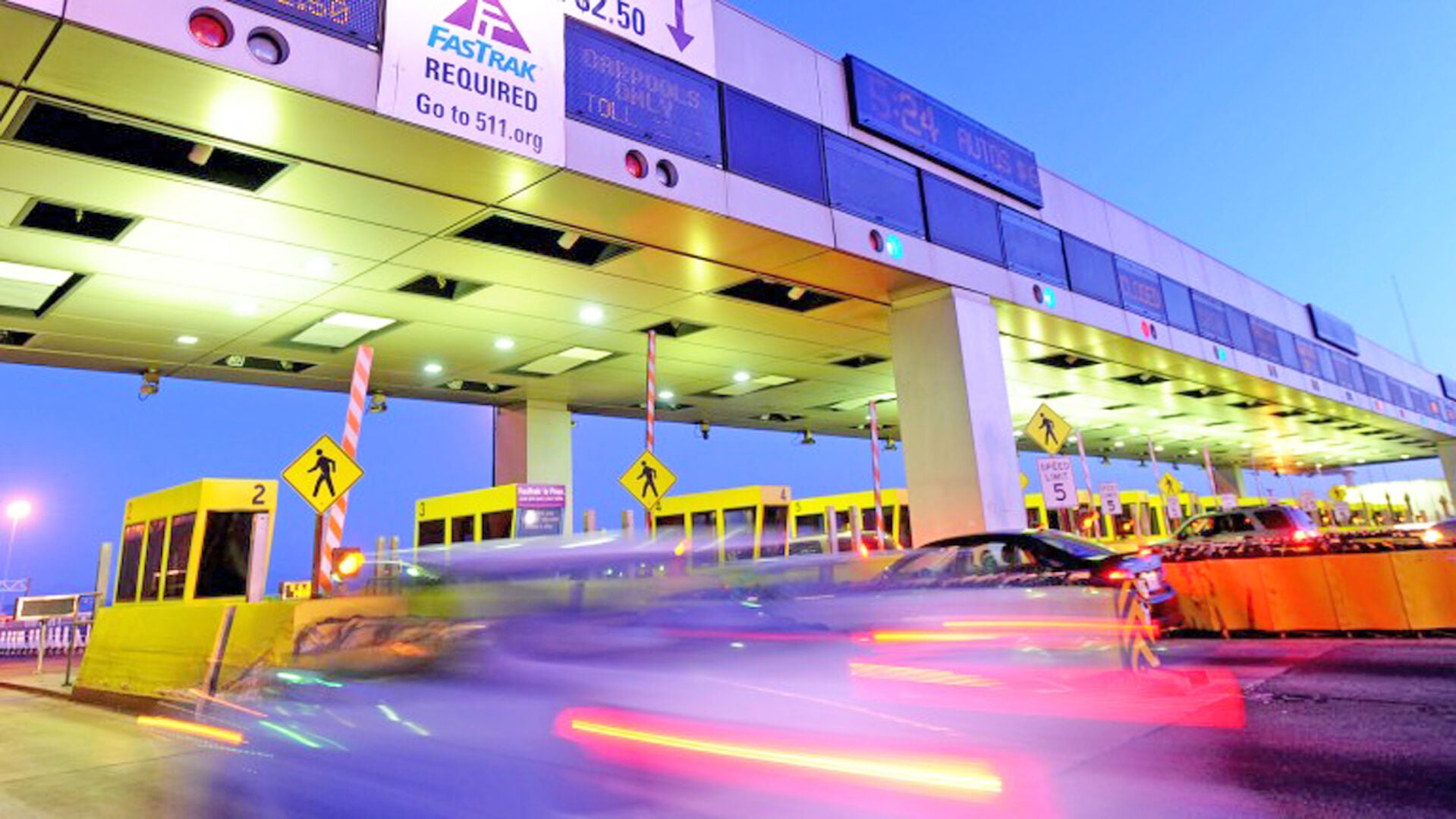
Senate Bill 532, authored by state Sen. Scott Wiener, D-San Francisco, would have temporarily raised tolls on seven state-owned bridges in the Bay Area by $1.50 for five years to help public transit agencies. Wiener’s office Monday announced the decision in a press release and said Wiener and Assemblymember Lori Wilson, D-Suisun City, will convene a working group of Bay Area legislators over the fall to determine what transit funding proposals to pursue in the next legislative session to address funding shortfalls from the pandemic.
“While there was not enough time to reach a consensus on how to solve this looming problem, we made substantial progress on a solution,” Wiener said in a press release. “I will continue to make transit operations funding a major priority, and I look forward to continuing those discussions into the fall. If a consensus emerges on a path forward that includes a future regional transit funding measure to generate ongoing funds so that all people have access to reliable, affordable transportation, I also look forward to taking a leadership role in developing and passing authorizing legislation.”
The bill would have generated around $180 million annually over five years to prevent service cuts and improve safety and cleanliness, according to its supporters. The seven bridges are the San Francisco-Oakland Bay Bridge, San Mateo-Hayward Bridge, Richmond-San Rafael Bridge, Dumbarton Bridge, Carquinez Bridge, Benicia-Martinez Bridge and Antioch Bridge. The current $7 toll for those bridges is also slated to rise $1 on Jan. 1, 2025, through Regional Measure 3 passed in 2017.
State Sen. Josh Becker, D-Menlo Park, who co-authored the bill, acknowledged legislators heard and listened to concerns and decided to have more discussions across the Bay Area caucus on alternatives moving forward. Becker noted the bill was introduced late in the legislative sessions and put it up against policy deadlines. The crunch resulted in not having enough time to work through all issues. Becker said he heard from different groups that want to see progress on safety and coordination before a toll increase, something the Legislature is committed to through an integrated Bay Area transit system around fare structures, schedule coordination and transit maps. Becker said further discussion on options and potential solutions are needed to address the budget shortfalls and improve transit.
“All options are on the table,” Becker said.
Recommended for you
One of the earliest to come out against the bill was the Bay Area Council, a public-policy advocacy organization sponsored by Bay Area businesses. The organization called for fiscal and operational reforms to be the priority for addressing transit system challenges, given the billions of dollars in state and federal funding to help.
“We can’t continue to fund unsustainable transit operations that aren’t meeting the needs of riders for a safe, convenient and seamless commute,” Bay Area Council CEO Jim Wunderman said in a press release.
Other congressional representatives sent a letter earlier in the month announcing they were against the proposal. Some of the letter signers included U.S. Reps. Anna Eshoo, D-Palo Alto; Mark DeSaulnier, D-Antioch; John Garamendi, D-Richmond; Eric Swalwell, D-Castro Valley; Barbara Lee, D-Oakland; Linda Sanchez, D-Whittier; and Mike Thompson, D-Napa.
The Foster City Council also came out against the bill, citing an unfair burden on drivers and workers who have no choice but to commute long distances due to the cost of living.
Transit agencies continue to struggle in the wake of the pandemic and saw a drop in ridership that has not fully recovered due to new work habits, with agencies like BART and Caltrain hit particularly hard and still looking for solutions. BART ridership as of July was at 40% of pre-COVID expectations, according to the transit agency’s website. On Tuesday, BART General Manager Bob Powers will host Wiener on a tour of BART trains, stations and other facilities to update the senator on safety and security improvements and discuss transit accountability measures.
Here are two potential solutions… reduce services to account for 50% of pre-COVID expectations. Make an effort to be fiscally responsible. And what exactly will the tour of BART stations provide to Wiener – more ideas on how to extract and spend other people’s money? Seems Wiener and the BART General Manager have too much time on their hands. Another solution, reduce politicians to half-time, or maybe quarter-time. And open bids for the BART General Manager position.
Keep the discussion civilized. Absolutely NO
personal attacks or insults directed toward writers, nor others who
make comments. Keep it clean. Please avoid obscene, vulgar, lewd,
racist or sexually-oriented language. Don't threaten. Threats of harming another
person will not be tolerated. Be truthful. Don't knowingly lie about anyone
or anything. Be proactive. Use the 'Report' link on
each comment to let us know of abusive posts. PLEASE TURN OFF YOUR CAPS LOCK. Anyone violating these rules will be issued a
warning. After the warning, comment privileges can be
revoked.
Please purchase a Premium Subscription to continue reading.
To continue, please log in, or sign up for a new account.
We offer one free story view per month. If you register for an account, you will get two additional story views. After those three total views, we ask that you support us with a subscription.
A subscription to our digital content is so much more than just access to our valuable content. It means you’re helping to support a local community institution that has, from its very start, supported the betterment of our society. Thank you very much!







(2) comments
Here are two potential solutions… reduce services to account for 50% of pre-COVID expectations. Make an effort to be fiscally responsible. And what exactly will the tour of BART stations provide to Wiener – more ideas on how to extract and spend other people’s money? Seems Wiener and the BART General Manager have too much time on their hands. Another solution, reduce politicians to half-time, or maybe quarter-time. And open bids for the BART General Manager position.
tax the 300,000 electric vehicles that don’t pay gasoline taxes for the roadways
10000 miles a year costs $360 /yr for a 20mpg gas powered vehicle. that’s $108Million taxes not paid by EV owners
come on Weiner. open your eyes
Welcome to the discussion.
Log In
Keep the discussion civilized. Absolutely NO personal attacks or insults directed toward writers, nor others who make comments.
Keep it clean. Please avoid obscene, vulgar, lewd, racist or sexually-oriented language.
Don't threaten. Threats of harming another person will not be tolerated.
Be truthful. Don't knowingly lie about anyone or anything.
Be proactive. Use the 'Report' link on each comment to let us know of abusive posts.
PLEASE TURN OFF YOUR CAPS LOCK.
Anyone violating these rules will be issued a warning. After the warning, comment privileges can be revoked.