

New homes in a neighborhood are often welcomed as signs of investment and renewal. They can modernize aging housing stock, improve property values and bring new energy to a community. Growth, in itself, is not the problem.
The question is what kind of growth we are allowing, and what we are losing in the process.
I am seeing this firsthand in my own neighborhood in unincorporated Redwood City. Like many Bay Area communities, ours is made up of modest homes, longtime residents, small lots, shared fences, aging infrastructure and a character that has developed over generations. It is not a neighborhood of oversized showcase homes. It is a neighborhood of people, families and a sense of place.
Yet across many Bay Area neighborhoods, a familiar pattern has emerged. Developers purchase modest homes, often outbidding local families, tear them down and replace them with much larger houses designed to maximize square footage and resale value. While these new homes may be impressive on paper, they often ignore the scale, rhythm and character of the neighborhoods they replace.
The result is not always thoughtful development. Too often, it is a landscape increasingly dominated by oversized, cookie-cutter homes squeezed onto small lots. Towering walls rise only a few feet from property lines. Longtime residents lose privacy, natural light, open space and the quiet enjoyment of homes they have invested in for years. What was once a collection of homes starts to feel like a collection of investments.
This issue feels especially complicated in pockets of unincorporated Redwood City, where residents can feel caught between jurisdictions and overlooked by decision-makers. We live near a city, pay significant property taxes and shoulder many of the same costs of Bay Area homeownership, but the rules and protections do not always seem to match what residents might expect inside an incorporated city.
For example, in our area, homeowners may be responsible for costly sewer-related work from the property line to the main line, something I recently had to pay for myself. These are not minor costs. Our property taxes are certainly not inexpensive, yet residents in unincorporated communities can still feel as though we are asked to absorb city-level costs without receiving city-level planning protections, safeguards or representation.
Once a property is sold, the new owner or builder has every legal right to develop it within existing regulations. That is not the issue. The larger issue is whether those regulations adequately protect the people who already live nearby and have invested decades of their lives in these communities.
Recommended for you
Property rights matter. Homeowners should be free to sell their homes if they choose. Builders should be able to create housing within the law. The Bay Area also needs housing, and communities cannot remain frozen in time. But neighborhoods are more than individual parcels. They are living communities built over generations. What happens on one lot can deeply affect the quality of life on the lots surrounding it.
Current setback requirements may satisfy technical standards, but they do not always address the lived reality of scale and compatibility. A 3,000-square-foot home looming over a neighboring 700-square-foot cottage may be legal, but legality alone does not make it thoughtful planning.
As housing pressure continues throughout San Mateo County and the broader Bay Area, communities should be asking harder questions. Do our local development rules strike the right balance between growth and preservation? Should new construction better reflect the scale of surrounding homes? Should privacy, sunlight, mature landscaping and open space be valued alongside maximum square footage? And in unincorporated communities, who is truly accountable for ensuring residents are not left with the costs and consequences of growth without the same level of voice or protection?
These are not anti-growth questions. They are questions about stewardship.
The Bay Area’s most desirable neighborhoods did not become desirable because every lot was developed to its maximum legal capacity. They became desirable because they offered something increasingly rare: a sense of place, human scale and connection to community.
Once those qualities are lost, they are difficult to rebuild.
The conversation should not be about whether development happens. Development will happen, and in many cases, it should. The real question is whether San Mateo County and its communities have the courage to demand development that respects both the future and the people who have called these neighborhoods home for decades.
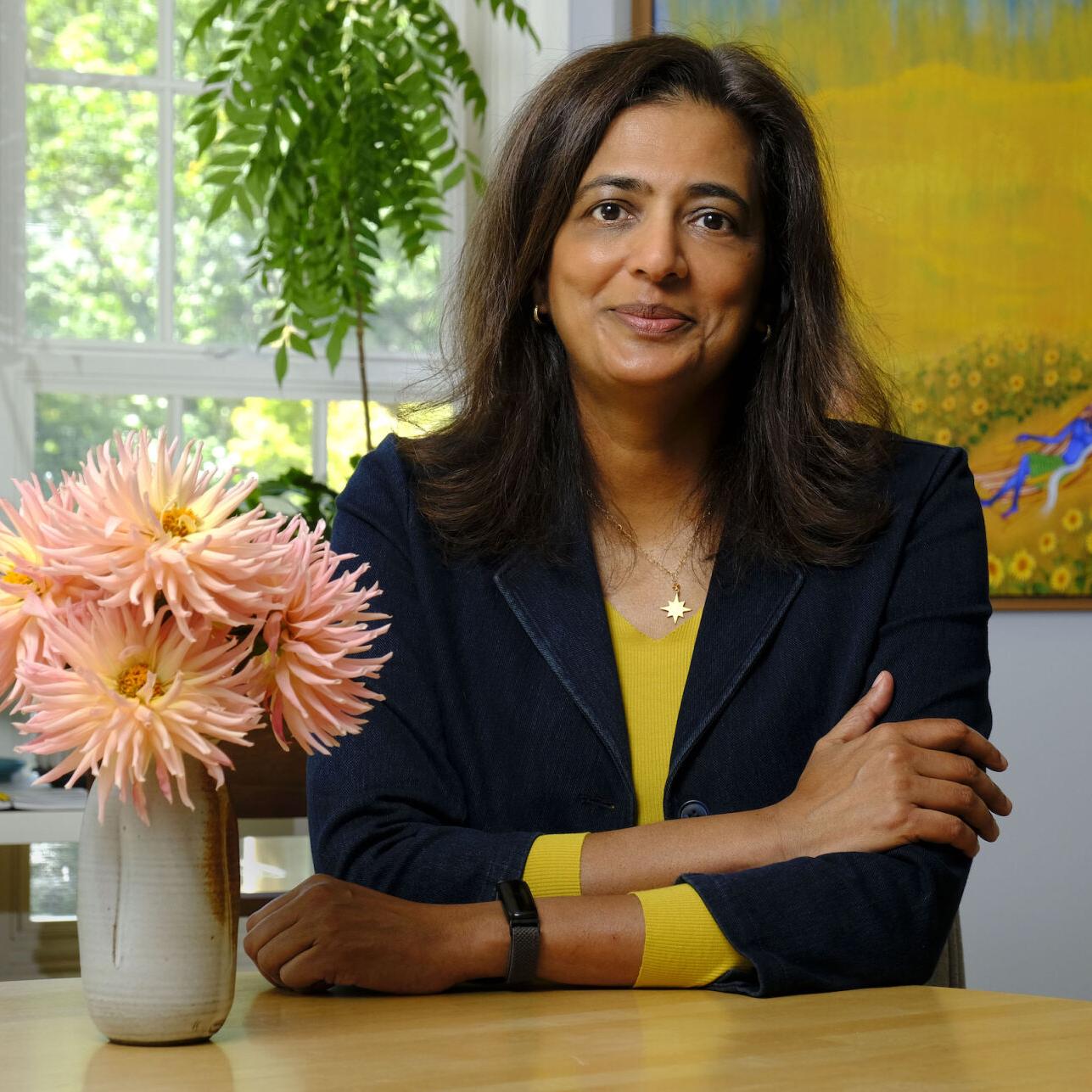
Ferzeen Chhapgar is a Redwood City resident living in unincorporated San Mateo County. Her perspective is shaped by 13 years of homeownership, firsthand experience watching the neighborhood change, and a professional background in workforce planning and global mobility.











(0) comments
Welcome to the discussion.
Log In
Keep the discussion civilized. Absolutely NO personal attacks or insults directed toward writers, nor others who make comments.
Keep it clean. Please avoid obscene, vulgar, lewd, racist or sexually-oriented language.
Don't threaten. Threats of harming another person will not be tolerated.
Be truthful. Don't knowingly lie about anyone or anything.
Be proactive. Use the 'Report' link on each comment to let us know of abusive posts.
PLEASE TURN OFF YOUR CAPS LOCK.
Anyone violating these rules will be issued a warning. After the warning, comment privileges can be revoked.