Like many other longtime Peninsula residents, Olga Perez has seen a surge of development in and around her neighborhood, some of which she likes — and some not so much.
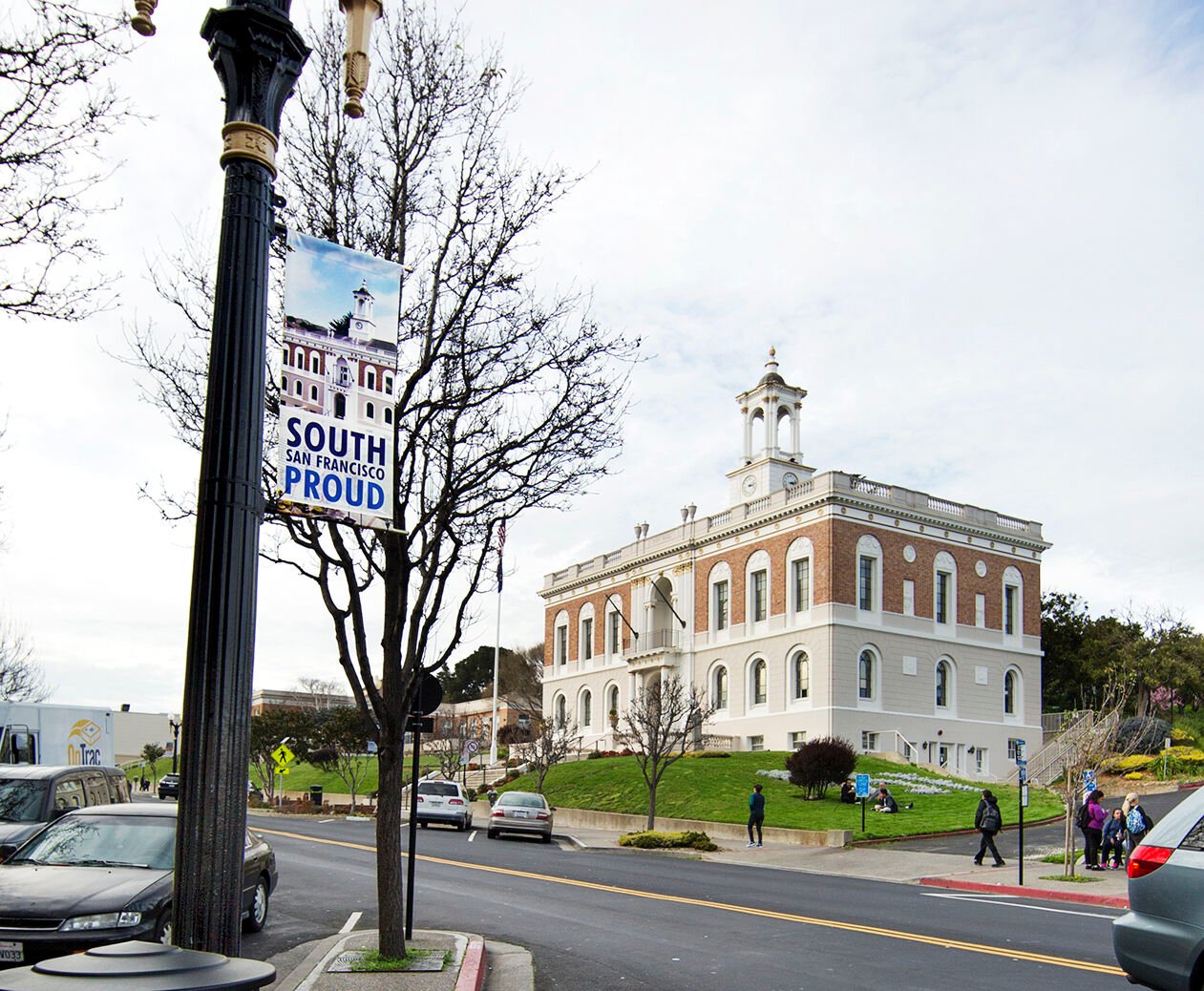
The South City native has long enjoyed the perks of living in Old Town, a historic part of downtown in and around Grand Avenue, which houses a vibrant area replete with restaurants and retail businesses. But over the last several years, she’s noticed more development proposals and construction in her predominantly Latino community, which she said are threatening the few resources and public spaces in the neighborhood.
“These high-rise buildings are being constructed so disrespectfully,” Perez said, citing new developments that block residents’ window views and a lack of setbacks during the planning and construction phases.
The area is part of District 5, which has the highest percentage of Latinos, according to 2020 census data, and it’s proved particularly attractive for housing developers in recent years, especially as California’s affordability crisis has put pressure on cities to build more. The county’s state-mandated housing targets — laid out in the eight-year Regional Housing Needs Allocation cycle — increased by about 200% between the last cycle to the most recent, and South City is required to plan for nearly 4,000 new housing units by 2031.
Ana, who has lived in the neighborhood for decades and didn’t want to give her last name, said she also feels that the growth in development over the last five to seven years has changed the area — and not for the better — as evidenced by the lack of parking and buildings that block light from entering residents’ homes.
“We just feel like they’re taking everything from us, and it wasn’t like that before,” she said.
In San Mateo County, neighborhood pushback to multiunit housing developments, especially in or around single-family areas, is sometimes portrayed as middle- to upper-class residents’ complaints over potentially unwelcome changes in their neighborhoods — some of which may include demographic differences or impacts on property values. Such concerns have a history of racial and ethnic discrimination, where affluent homeowners’ fears were almost always unfounded, Ali Sapirman, South Bay and Peninsula organizer at Housing Action Coalition, said. But for low-income communities of color, a distrust in local government or private developers is rooted in past wrongs.
“The fear for more vulnerable communities is completely real because of historical discrimination, and there is the belief that you will be displaced,” they said. “We’ve seen these conversations in the Mission in San Francisco, in San Jose, East Palo Alto … you have to build trust and move communities toward advocacy and ensure that they feel they are part of the conversation.”
Recommended for you
Perez points to discrimination working in the opposite direction nowadays — that is, the city and housing advocates are not listening to the needs of marginalized, largely Latino, communities, who are concerned about nearby developments, including a recently proposed Linden Avenue project, an affordable housing development which would include more than 80 units for seniors.
“I know what it’s like to face housing insecurities. I lived it,” she said. “But if there were still mostly Italians or Greek living here, would the historical value and significance of the area still be respected?”
City Manager Sharon Ranals acknowledged there has been significant development in Old Town, but said there have been significant efforts made over the last several years — especially as part of the city’s most recent general plan — that expanded development to other parts of the city.
And some of the biggest residential developments in the pipeline are not located in the downtown area at all, including the massive 800-unit development on Mission Road near Kaiser Permanente Medical Center or the approved 338-unit project on Noor Avenue. Slightly less than half of the city’s approximately 18 multiunit residential projects in the development or construction stages are located in what’s considered the downtown area.
Building housing close to buses and the Caltrain is particularly appealing, not just because it attracts higher-earning employees but it’s also well-suited for those unable to get around without public transportation, many of whom are low-income residents, Ranals said.
“I don’t blame people for feeling the way they feel. They have a lot invested here … but the fact is … all of the Bay Area is going to get more dense,” she said.
Vice Mayor Eddie Flores, who represents Old Town residents as part of his constituency, said projects like 500 Linden Avenue, managed by the developer Rotary Gardens, will directly benefit the community it’s in, rather than the previous market-rate developments that neighboring residents weren’t able to afford.
“Preservation of our community heritage and culture is critical, and ensuring we have anti-displacement policies is also equally important,” he said in a written statement. “The Rotary Gardens project will bring 65 much-needed, truly affordable units for our most in need, working class and low-income families, and 80 truly affordable homes of low-income seniors.”
Keep the discussion civilized. Absolutely NO
personal attacks or insults directed toward writers, nor others who
make comments. Keep it clean. Please avoid obscene, vulgar, lewd,
racist or sexually-oriented language. Don't threaten. Threats of harming another
person will not be tolerated. Be truthful. Don't knowingly lie about anyone
or anything. Be proactive. Use the 'Report' link on
each comment to let us know of abusive posts. PLEASE TURN OFF YOUR CAPS LOCK. Anyone violating these rules will be issued a
warning. After the warning, comment privileges can be
revoked.
Please purchase a Premium Subscription to continue reading.
To continue, please log in, or sign up for a new account.
We offer one free story view per month. If you register for an account, you will get two additional story views. After those three total views, we ask that you support us with a subscription.
A subscription to our digital content is so much more than just access to our valuable content. It means you’re helping to support a local community institution that has, from its very start, supported the betterment of our society. Thank you very much!




(0) comments
Welcome to the discussion.
Log In
Keep the discussion civilized. Absolutely NO personal attacks or insults directed toward writers, nor others who make comments.
Keep it clean. Please avoid obscene, vulgar, lewd, racist or sexually-oriented language.
Don't threaten. Threats of harming another person will not be tolerated.
Be truthful. Don't knowingly lie about anyone or anything.
Be proactive. Use the 'Report' link on each comment to let us know of abusive posts.
PLEASE TURN OFF YOUR CAPS LOCK.
Anyone violating these rules will be issued a warning. After the warning, comment privileges can be revoked.