California is in the midst of a decadelong and ever-present teacher shortage crisis.
Since 2016, the state has invested $1.2 billion to address the issue, and while this infusion of resources seemed to help make a difference initially, there has been a 33% decline in teachers — over 5,300 total — since the 2020-21 school year. The continued expansion of transitional kindergarten is also adding a tidal wave of more than 11,000 credentialed teachers needed to staff those classrooms.
Translation: The teacher shortage crisis is about to hit a breaking point.
Fortunately, an answer to this need for a teacher pipeline is hidden in plain sight: All we have to do is look at, and learn from, the so-called early care and education system. A proven option to address the teacher shortage, and a new option from the existing pathways to teaching that exist in California, is apprenticeship.
In 1937, President Franklin Roosevelt signed the National Apprenticeship Act to set standards for a federally recognized apprenticeship program. In the more than eight decades that followed, apprenticeship programs trained generations of workers in myriad professions and trades. Recently, it has rightly begun to be used for teaching careers.
For California, the Labor and Workforce Development Agency last year launched an initiative to develop a road map for implementing and scaling Registered Apprenticeship Programs in teaching across the state. As good and promising as this effort is to alleviate our teacher shortage, it’s unfortunately ignoring California’s early-care education system (i.e., birth to age 5). So far, the conversations about developing an apprenticeship pathway into teaching have focused only on the TK-12 system, ignoring the early years that are essential to a long, successful education in just about every way imaginable.
Recommended for you
Apprenticeships in the early care and education workforce have been increasingly widespread over the past 10 years, with programs for early educators and caregivers in 42 states. Many successful models include wraparound supports to ensure their cohorts are not only able to participate, but complete their training and earn a living while they learn.
Additionally, a tremendous strength of the early care and education sector is the workforce is far more diverse than TK-12. An estimated 66% of early educators in center-based care identify as people of color compared to 34% in TK-12. Implementing an inclusive apprenticeship model could bolster the TK-12 education system’s goal of recruiting a more diverse and representative teacher workforce.
The TK-12 system should also learn from these effective models to see where traditional views on workforce development have left out potential populations and answer questions about why existing efforts have fallen short.
Finally, encouraging collaboration between the TK-12 education and early care and education systems would yield significant equity implications and important benefits for teachers and schools, as well as the children, families and communities they serve. Building bridges between early education and TK-12 education through apprenticeships would create a pipeline for young people and adults interested in teaching, allowing them to move seamlessly from early educator apprenticeships to TK-12 apprenticeships.
This is the moment for California to think differently about solving the teacher workforce shortage, from early care to high school. The apprenticeship model offers a promising new pathway into teaching, one that is affordable, effective and will help to diversify the profession. What are we waiting for?
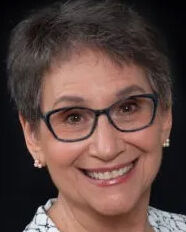
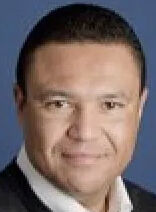
Randi Wolfe is the founder and executive director of Early Care & Education Pathways to Success. She is currently serving a second term as an appointed member to the U.S. Secretary of Labor’s Advisory Committee on Apprenticeship. Vince Stewart is the vice president of policy and programs at Children Now. He was appointed by both Govs. Jerry Brown and Arnold Schwarzenegger to senior education policy positions. They wrote this for CalMatters.org, a nonprofit, nonpartisan media venture explaining California policies and politics.
The author is putting a band aid on gaping wound. Biden/Harris' administration, a misnomer in the extreme, has allowed an influx of illegal migrants who are, under current law, entitled to education. In some districts 50% of the students, though not through the students' own fault, are English learners placing an unforeseen burden on teachers. Yes, just blame the TK system instead of the real source. Then, teachers have also lost any form of control over discipline in the classroom and are now harassed by the students and the administration. Who would want to be a teacher under those working conditions? Go back to the drawing board, lady!
Apprenticeship is a great idea to increase the ranks of early childhood teachers. Most of what you learn to be a teacher is learned on the job. There is a tiny bit of good stuff in the classes you take for certification, but it is a silly process to take classes to get certified ahead of actually being in the classroom, and as pointed out, it is an unnecessary barrier for people with less money.
Keep the discussion civilized. Absolutely NO
personal attacks or insults directed toward writers, nor others who
make comments. Keep it clean. Please avoid obscene, vulgar, lewd,
racist or sexually-oriented language. Don't threaten. Threats of harming another
person will not be tolerated. Be truthful. Don't knowingly lie about anyone
or anything. Be proactive. Use the 'Report' link on
each comment to let us know of abusive posts. PLEASE TURN OFF YOUR CAPS LOCK. Anyone violating these rules will be issued a
warning. After the warning, comment privileges can be
revoked.
Please purchase a Premium Subscription to continue reading.
To continue, please log in, or sign up for a new account.
We offer one free story view per month. If you register for an account, you will get two additional story views. After those three total views, we ask that you support us with a subscription.
A subscription to our digital content is so much more than just access to our valuable content. It means you’re helping to support a local community institution that has, from its very start, supported the betterment of our society. Thank you very much!



(2) comments
The author is putting a band aid on gaping wound. Biden/Harris' administration, a misnomer in the extreme, has allowed an influx of illegal migrants who are, under current law, entitled to education. In some districts 50% of the students, though not through the students' own fault, are English learners placing an unforeseen burden on teachers. Yes, just blame the TK system instead of the real source. Then, teachers have also lost any form of control over discipline in the classroom and are now harassed by the students and the administration. Who would want to be a teacher under those working conditions? Go back to the drawing board, lady!
Apprenticeship is a great idea to increase the ranks of early childhood teachers. Most of what you learn to be a teacher is learned on the job. There is a tiny bit of good stuff in the classes you take for certification, but it is a silly process to take classes to get certified ahead of actually being in the classroom, and as pointed out, it is an unnecessary barrier for people with less money.
Welcome to the discussion.
Log In
Keep the discussion civilized. Absolutely NO personal attacks or insults directed toward writers, nor others who make comments.
Keep it clean. Please avoid obscene, vulgar, lewd, racist or sexually-oriented language.
Don't threaten. Threats of harming another person will not be tolerated.
Be truthful. Don't knowingly lie about anyone or anything.
Be proactive. Use the 'Report' link on each comment to let us know of abusive posts.
PLEASE TURN OFF YOUR CAPS LOCK.
Anyone violating these rules will be issued a warning. After the warning, comment privileges can be revoked.