“One size fits all.” The phrase rings through popular clothing brands such as Brandy Melville, where its clothing sizes target a specific demographic of thinner individuals. This approach to sizing can be especially harmful when the company is a popular place to shop for teens and young adults as they leave midsized and plus-sized shoppers out of the picture.
When Brandy Melville came under fire for its limited size options, it adapted their sizing description to have “extra small” and “small” choices for some items. Unfortunately, sizing transparency failed to address the root of the issue as it continued to devalue diverse sizing. Without bigger sizes throughout the company, Brandy Melville and other popular clothing lines are doing a disservice to millions of youth worldwide. Ultimately, the idea that “one size fits all” is harmful to impressionable individuals seeking confidence in their clothing.
Beyond “one size fits all,” many clothing brands have narrow size options, often ranging from merely sizes small to large. When the latest fashion styles are limited to thinner models and shoppers, noninclusive brands cause people to struggle to find the clothes they need. According to a study by the International Journal of Fashion Design, Technology and Education, “the average size of an American woman is now between 16 to 18.” Despite this, sizes above 12 are continuously left out of retail stores.
Recommended for you
A recent study funded by the National Institute on Minority Health and Health Disparities found that weight-based discrimination in the United States has increased by 66% over the past decade. In a period of heightened sizing discrimination, it is more important than ever for clothing brands to take the extra step and embrace expanding styles to myriad body types.
While walking into many popular clothing stores, shoppers can typically find plus-size options in the back, hidden sections. To uphold inclusivity throughout clothing brands, it is their responsibility to ensure their clothes fit a wide range of sizes. A size-inclusive industry would offer a wide range of stores with clothing options for those of any size. After all, plus-size clothes deserve a prominent place in every store.
The lack of inclusivity within the fashion and modeling industries often goes hand in hand; those over a size 6 and plus-sized model representation within clothing companies are often limited. PacSun, for instance, has jeans that only go up to a waist 30. Brands like Madewell have staged progression by including a “curvy jeans” section, but the jeans are limited to a small range of colors and styles. These “curvy” sections, also found on American Eagle Outfitters and Hollister, are also modeled by primarily thin women.
Size inclusivity does not merely mean “sizing up;” it also involves intentional clothing designs that flatter people with many body types. A lack of size representation is harmful to those looking to feel comfortable in their bodies. Clothing companies have the responsibility to promote body inclusivity — the first step is granting people access to the clothes they need.
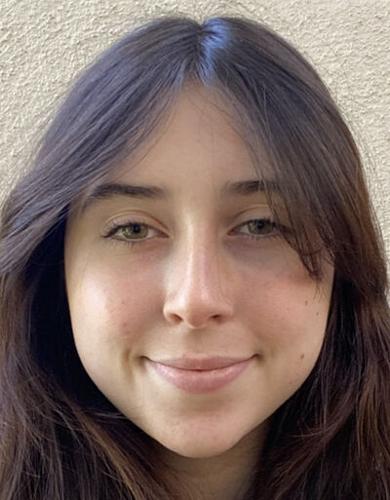
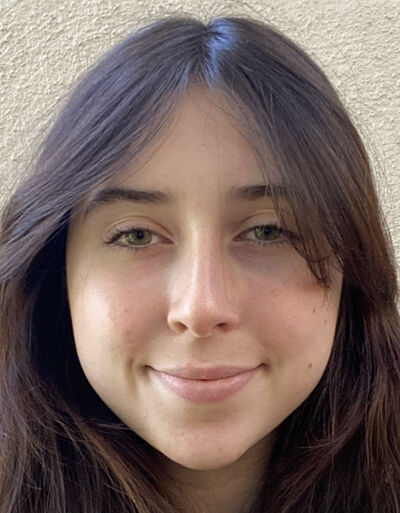
Isabelle Nunes is a senior at Carlmont High School in Belmont. Student News appears in the weekend edition. You can email Student News at news@smdailyjournal.com.
Keep the discussion civilized. Absolutely NO
personal attacks or insults directed toward writers, nor others who
make comments. Keep it clean. Please avoid obscene, vulgar, lewd,
racist or sexually-oriented language. Don't threaten. Threats of harming another
person will not be tolerated. Be truthful. Don't knowingly lie about anyone
or anything. Be proactive. Use the 'Report' link on
each comment to let us know of abusive posts. PLEASE TURN OFF YOUR CAPS LOCK. Anyone violating these rules will be issued a
warning. After the warning, comment privileges can be
revoked.
Please purchase a Premium Subscription to continue reading.
To continue, please log in, or sign up for a new account.
We offer one free story view per month. If you register for an account, you will get two additional story views. After those three total views, we ask that you support us with a subscription.
A subscription to our digital content is so much more than just access to our valuable content. It means you’re helping to support a local community institution that has, from its very start, supported the betterment of our society. Thank you very much!




(0) comments
Welcome to the discussion.
Log In
Keep the discussion civilized. Absolutely NO personal attacks or insults directed toward writers, nor others who make comments.
Keep it clean. Please avoid obscene, vulgar, lewd, racist or sexually-oriented language.
Don't threaten. Threats of harming another person will not be tolerated.
Be truthful. Don't knowingly lie about anyone or anything.
Be proactive. Use the 'Report' link on each comment to let us know of abusive posts.
PLEASE TURN OFF YOUR CAPS LOCK.
Anyone violating these rules will be issued a warning. After the warning, comment privileges can be revoked.