

Boom and bust. Boom and bust. That’s the cycle of the California budget and, with very little chance of tax reform or changes, that’s what we are to expect for now and into the future.
It is with that in mind that I suggest that legislators, particularly new ones, stop suggesting or asking about new expenditures when we are in the boom cycles as if we all just got a bonus and deserve a big check. Because we didn’t. And we don’t.
While we are facing a $68 billion deficit just a fiscal year after enjoying a $100 billion surplus, Wednesday’s budget proposal by Gov. Gavin Newsom is actually estimating a $38 billion deficit. That should actually be correct since the state relies so much on capital gains taxes from the stock market, which saw a big boom last year after languishing the year prior. So it’s not really a bust, but rather a mini-bust. For now.
Part of the blame was placed on the New Year’s storms of last year, which prompted late tax payments. Budget planners should have also known revenue was going to be down through measuring other factors.
And thank goodness for Proposition 2, passed by voters in 2014, which required the state to have a rainy day fund filled with 1.5% of general fund revenue every year, though I wish it were more. While we’re thanking goodness, let’s also show our gratitude for Proposition 98, passed by voters in 1988, which required the state to set minimum funding for schools of about 40% of the overall budget. Though the governor is taking some money from schools savings, the overall impact is not that great. That’s key since schools haven’t recovered from the funding losses of the Great Recession and COVID money is running out. Any significant cuts could put our entire educational system into a spiral of distress.
Still, there has to be additional cuts and the governor is proposing it come from climate change programs and housing, which is sure to cause some squawking since that is near and dear to many, and critical to our overall economic and societal success. Cuts to programs to help the homeless through supportive housing and mental health assistance are the most difficult to absorb since they are the most needed, and time should be spent in the next few months to find ways to fund them like the governor did with transportation needs.
While cuts hurt, these are relatively modest and could actually be seen as healthy since austerity is often thrown out the window when the booms take place. I’ve always felt it strange that many legislators don’t take much interest in the budget outside of funding for their bills since it’s the most important thing the state decides. It would be worthwhile to spend some time contemplating ways to lower spending and raise revenue, though I don’t support a new wealth tax for high-income earners.
Recommended for you
A couple of pie-in-the-sky ideas: Find a way to get rid of the Gann limit through another state proposition. Launched in 1979 through Proposition 4, it caps state spending and requires refunds to taxpayers and for education. That’s all good, but it’s better to put money away for when it’s needed. A state ballot measure that requires the money over the Gann limit go toward education and budget stabilization with refunds for those making under a certain amount would likely be successful.
Proposition 2 requires a minimum amount for a rainy day fund but it has a limit of 10% of the overall budget. Another state ballot measure to increase that amount should be pursued, particularly since the amount currently in it doesn’t even cover a moderate estimated deficit.
People have talked about getting rid of Proposition 13 since it was passed in 1978, but it’s never going to happen with a straight repeal though there was an unsuccessful push to adjust it for commercial buildings. The only way to do it would be grandfather in every property owner today and adjust over a generation. But there doesn’t seem to be any will for that.
I’d be remiss if I didn’t mention a program being unfairly maligned. That is providing full Medi-Cal access to undocumented immigrants. While there is a cost, it actually saves the state money since preventative care is cheaper than emergency care and counties already provide this health care. Plus, it’s humane. Until there is federal immigration reform, it just makes sense.
Yet, there is a point here about the value of our state’s spending. Nearly every program has its supporters and, when times are good, it’s easy to satiate them. But part of the job of our state officials is to be good stewards of our money, and that takes discipline.
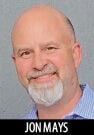
Jon Mays is the editor-in-chief of the Daily Journal. He can be reached at jon@smdailyjournal.com. Follow Jon on X @jonmays.


(2) comments
Jon - if that were true, "While there is a cost, it actually saves the state money since preventative care is cheaper than emergency care" why not make every Californian eligible? It should not be free for anyone. Kaiser Permanente provided no-cost health care services for enrolled members for years. It experienced long waiting lines for health care until a nominal fee was assessed. The waiting rooms emptied out. The same will go for our ERs on the Peninsula.
Jon - Thanks! Might I add regarding healthcare benefits for illegals.....
"𝑰𝒇 𝒍𝒂𝒘𝒎𝒂𝒌𝒆𝒓𝒔 𝒉𝒂𝒅 𝒕𝒂𝒌𝒆𝒏 𝒕𝒉𝒆 𝒕𝒊𝒎𝒆 𝒕𝒐 𝒓𝒆𝒂𝒅 𝒕𝒉𝒆 𝒃𝒊𝒍𝒍, 𝒕𝒉𝒊𝒔 𝒔𝒆𝒏𝒕𝒆𝒏𝒄𝒆 𝒎𝒊𝒈𝒉𝒕 𝒉𝒂𝒗𝒆 𝒋𝒖𝒎𝒑𝒆𝒅 𝒐𝒖𝒕 𝒂𝒕 𝒕𝒉𝒆𝒎: “𝑻𝒉𝒆 𝒇𝒆𝒅𝒆𝒓𝒂𝒍 𝑴𝒆𝒅𝒊𝒄𝒂𝒊𝒅 𝒑𝒓𝒐𝒈𝒓𝒂𝒎 𝒑𝒓𝒐𝒉𝒊𝒃𝒊𝒕𝒔 𝒑𝒂𝒚𝒎𝒆𝒏𝒕 𝒕𝒐 𝒂 𝒔𝒕𝒂𝒕𝒆 𝒇𝒐𝒓 𝒎𝒆𝒅𝒊𝒄𝒂𝒍 𝒂𝒔𝒔𝒊𝒔𝒕𝒂𝒏𝒄𝒆 𝒇𝒖𝒓𝒏𝒊𝒔𝒉𝒆𝒅 𝒕𝒐 𝒂𝒏 𝒂𝒍𝒊𝒆𝒏 𝒘𝒉𝒐 𝒊𝒔 𝒏𝒐𝒕 𝒍𝒂𝒘𝒇𝒖𝒍𝒍𝒚 𝒂𝒅𝒎𝒊𝒕𝒕𝒆𝒅 𝒇𝒐𝒓 𝒑𝒆𝒓𝒎𝒂𝒏𝒆𝒏𝒕 𝒓𝒆𝒔𝒊𝒅𝒆𝒏𝒄𝒆 𝒐𝒓 𝒐𝒕𝒉𝒆𝒓𝒘𝒊𝒔𝒆 𝒑𝒆𝒓𝒎𝒂𝒏𝒆𝒏𝒕𝒍𝒚 𝒓𝒆𝒔𝒊𝒅𝒊𝒏𝒈 𝒊𝒏 𝒕𝒉𝒆 𝑼𝒏𝒊𝒕𝒆𝒅 𝑺𝒕𝒂𝒕𝒆𝒔 𝒖𝒏𝒅𝒆𝒓 𝒄𝒐𝒍𝒐𝒓 𝒐𝒇 𝒍𝒂𝒘.”
𝑻𝒉𝒂𝒕 𝒎𝒆𝒂𝒏𝒔 𝑪𝒂𝒍𝒊𝒇𝒐𝒓𝒏𝒊𝒂 𝒘𝒊𝒍𝒍 𝒏𝒐𝒕 𝒓𝒆𝒄𝒆𝒊𝒗𝒆 𝒇𝒆𝒅𝒆𝒓𝒂𝒍 𝒎𝒂𝒕𝒄𝒉𝒊𝒏𝒈 𝒇𝒖𝒏𝒅𝒔 𝒕𝒐 𝒉𝒆𝒍𝒑 𝒑𝒂𝒚 𝒇𝒐𝒓 𝒕𝒉𝒆 𝒆𝒙𝒕𝒆𝒏𝒔𝒊𝒐𝒏 𝒐𝒇 𝒇𝒖𝒍𝒍 𝒔𝒄𝒐𝒑𝒆 𝑴𝒆𝒅𝒊-𝑪𝒂𝒍 𝒃𝒆𝒏𝒆𝒇𝒊𝒕𝒔 𝒕𝒐 𝒖𝒏𝒅𝒐𝒄𝒖𝒎𝒆𝒏𝒕𝒆𝒅 𝒊𝒎𝒎𝒊𝒈𝒓𝒂𝒏𝒕𝒔. 𝑻𝒉𝒆 𝒄𝒐𝒔𝒕 𝒐𝒇 𝒕𝒉𝒊𝒔 𝒏𝒆𝒘 𝒆𝒏𝒕𝒊𝒕𝒍𝒆𝒎𝒆𝒏𝒕 𝒊𝒔 𝒐𝒏 𝑪𝒂𝒍𝒊𝒇𝒐𝒓𝒏𝒊𝒂 𝒕𝒂𝒙𝒑𝒂𝒚𝒆𝒓𝒔.
But effective Jan. 1, 2024, all California residents who meet the income eligibility requirements, regardless of immigration status, are eligible for full scope Medi-Cal benefits.
The policy was advanced piecemeal. Beginning in 2016, full scope Medi-Cal benefits were granted to children under the age of 19, regardless of immigration status, as long as they met the other eligibility criteria. That was expanded to young adults through age 25 in 2020. Two years later, the policy was expanded again to include anyone age 50 or older. And on January 1 of this year, the missing group, adults age 26 through 49, became entitled to exactly the same full-scope Medi-Cal benefits available to low-income citizens and legal residents of California.
There are now approximately 14 million people, roughly one-third of the state population, on Medi-Cal. State officials said the latest addition could add another 700,000 people to the rolls and will cost about $3.1 billion per year."
Welcome to the discussion.
Log In
Keep the discussion civilized. Absolutely NO personal attacks or insults directed toward writers, nor others who make comments.
Keep it clean. Please avoid obscene, vulgar, lewd, racist or sexually-oriented language.
Don't threaten. Threats of harming another person will not be tolerated.
Be truthful. Don't knowingly lie about anyone or anything.
Be proactive. Use the 'Report' link on each comment to let us know of abusive posts.
PLEASE TURN OFF YOUR CAPS LOCK.
Anyone violating these rules will be issued a warning. After the warning, comment privileges can be revoked.