
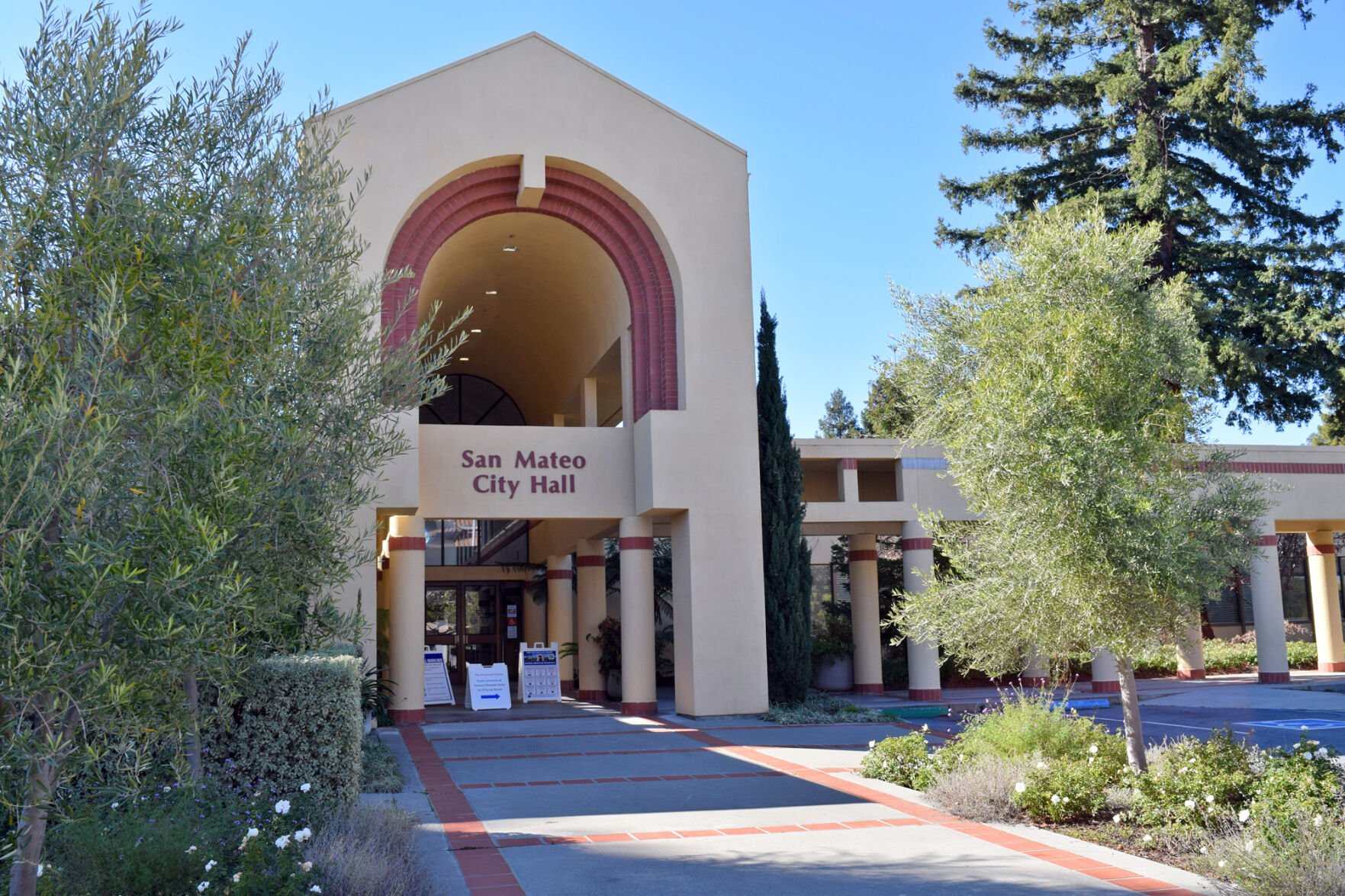
To get better input from underrepresented San Mateo groups on the city’s General Plan and Housing Element, San Mateo will conduct further targeted outreach to Spanish speakers, young people and lower income residents following community and City Council requests.
“We continue to be missing underrepresented and hard-to-reach populations, including our Spanish-speaking population, renters, young people and specific geographic areas,” Councilmember Amourence Lee said.
The council’s May 17 meeting featured an update from staff on the 2040 General Plan process, including the housing elements chapter. Staff asked for council direction on how much community outreach and canvassing input was needed on the General Plan and which communities to target. The council asked the city to do targeted outreach but avoid large-scale canvassing that could take too much time. It also asked for targeted outreach. The city will provide a June update to the council on the effort.
A general plan is a road map for the planning, zoning and development of a city. The Housing Element remains controversial as it guides the framework for housing goals, zoning and policies, potentially fundamentally changing housing in the city.
The city is under pressure to provide more affordable housing and went through a close Measure Y campaign, which retained the city’s building height limits.
The city will approve a final General Plan at the end of 2023 and submit its Housing Element to the state in mid-2022. The Association of Bay Area Governments released San Mateo’s Regional Housing Needs Allocation, or RHNA, requiring the city to provide 7,100 housing units this cycle. Under RHNA, San Mateo must have policies and zoning for property owners to build housing. It does not mean San Mateo has to build housing, only that the city must provide the appropriate conditions for developers to do so. The city estimates it can fit 10,400 housing units within the General Plan study areas.
Community Development Director Christina Horrisberger acknowledged staff time is limited for public input and could not quickly canvass all neighborhoods. Large-scale canvassing could affect the timeline and deadlines of the General Plan, prompting the council to decide against going door to door and opt for a more targeted approach.
“Targeted canvassing in a smaller area with maybe some targeted pop-ups as time allows, supported by staff, could probably be done in a shorter duration of time than hitting all of the doors in San Mateo. Anything that includes all of the doors may take more time, and we would have to look at our schedule,” Horrisberger said.
Council seeks input
Councilmember Joe Goethals said canvassing was too broad and challenging to be viable but still wanted to hear more from underrepresented communities. He favored working with churches, nonprofits, community centers and day care centers to reach more people.
“I think there are methods to work through different community organizations,” Goethals said.
Deputy Mayor Rick Bonilla wanted more input from lower income and Spanish-speaking neighborhoods. However, he opposed large-scale canvassing due to the training time volunteers need and the variability in the questioning process.
“If people see that you want to talk with them, they might just shut the door,” Bonilla said.
Councilmember Diane Papan suggested a citywide informational canvassing effort with a targeted approach toward underrepresented communities, saying she was open to helping staff with canvassing and any outreach.
“I’d like to do it in Shoreview and Los Prados [neighborhoods] and do it in the targeted areas where our Spanish-speaking residents are that we clearly have not met,” Papan said.
Lee asked if the city had a standardized tool to capture geographic and neighborhood data to ensure the city received input from all areas, citing an in-person workshop she attended with gaps in participation from communities east of Highway 101. Horrisberger said the city did not have that information.
Recommended for you
“I want to make sure that we are not losing track of those kinds of geographic gaps in different neighborhoods and communities,” Lee said.
Mayor Eric Rodriguez said the city at some point soon needed to move beyond insisting on more input and move toward stating ideas and compromising on those ideas. He was concerned about limited staff time and strict deadlines imposed by the state to complete the General Plan.
“It’s easy to say we need to get more input. Everybody’s saying that. Oh, we need to get more input. But at some point, we need to acknowledge that we are encroaching on very decreasing marginal returns of every additional staff hour that we put on this outreach,” Rodriguez said.
Joanna Jansen, a Bay Area regional director with PlaceWorks, a San Mateo consultant providing help on the General Plan, noted staff had done extraordinary outreach on par with any city she worked with in the past 20 years.
“Reaching over 3,000 individuals and holding over 90 events is easily the greatest number of events and interactions I have seen as a consultant,” Jansen said.
Concern about leaving people out
However, numerous public commentators at the meeting urged further communication to Spanish speakers, working-class communities and others not involved.
Ángela Solis, a resident and organizer with the Housing Leadership Council of San Mateo County, requested the city work with community groups to bring in underrepresented groups in San Mateo.
“I’m really fearful that we are leaving people out, and as we saw at the lack of attendance at the Spanish-speaking meeting for the General Plan in early April, there is a need for targeted outreach specifically with the Latinx community here in San Mateo,” Solis said.
Housing advocate Jordan Grimes urged the city to reach out to underrepresented groups who have not participated directly. He noted a city poll of attendees at a previous Housing Element Meeting input found most were white, older and more affluent homeowners.
“This is important, frustrating and troubling because those already comfortably housed are obviously likely to have significantly different needs than those that are not,” Grimes said.
Public speaker Raayan Mohtashemi supported targeted outreach to Spanish-speaking communities and working-class communities to avoid significant overrepresentation. He said people tell him they get off work and want to spend time with their family instead of going to meetings. Several other public speakers mentioned being belittled for their comments by residents in earlier meetings in the General Plan process.
“In an effort to affirmatively further fair housing, our goal should be to reach out to racial, ethnic and socioeconomic groups that are traditionally underrepresented in the process,” Mohtashemi said.
(650) 344-5200 ext. 102













(1) comment
I think Measure Y actually helps affordable housing. Near transit state law allows for up to 7 stories near rail versus 5 on a market rate project. Getting rid of Measure Y would eliminate 90% of the housing possible on these two additional floors.
Welcome to the discussion.
Log In
Keep the discussion civilized. Absolutely NO personal attacks or insults directed toward writers, nor others who make comments.
Keep it clean. Please avoid obscene, vulgar, lewd, racist or sexually-oriented language.
Don't threaten. Threats of harming another person will not be tolerated.
Be truthful. Don't knowingly lie about anyone or anything.
Be proactive. Use the 'Report' link on each comment to let us know of abusive posts.
PLEASE TURN OFF YOUR CAPS LOCK.
Anyone violating these rules will be issued a warning. After the warning, comment privileges can be revoked.