

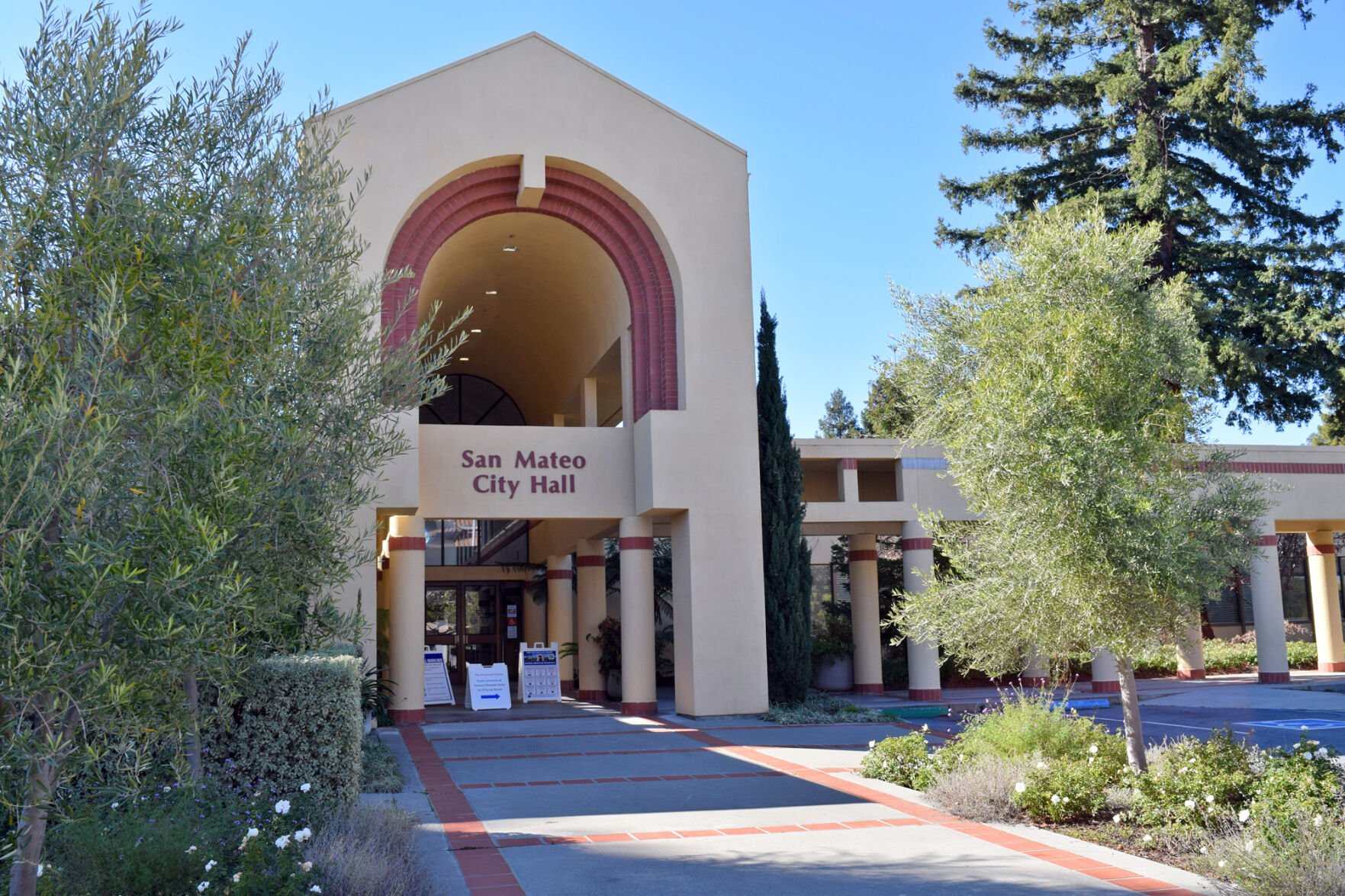
An ambitious plan to add more housing, improve parks and open spaces, and bolster public services has been officially adopted by the City Council after roughly six years of deliberation and, at many points, contentious discussions with and among councilmembers and the community.
The general plan is a goals and policy blueprint guiding cities’ infrastructure, development and environmental plans over the next two decades.
While the document outlines policy updates and recommendations across a wide range of issues, such as land use, street planning and social programs, much of the discussion continued to revolve around housing growth and development, with pro-housing advocates pushing for denser, higher residential buildings, while others stayed in favor of keeping Measure Y, which sets a five-story height limit on most buildings throughout the city.
“I would like to say that I think this plan sets us up for future success, but frankly, I feel like it still is falling short, and the area that it falls short for me is the most important and highest priority for our community which is affordable housing,” Councilmember Amourence Lee said, who has maintained a lukewarm stance on the plan throughout much of the process, particularly in regards to housing development.
The housing element is one part of the general plan, and it must be certified by the state to ensure each city adequately makes room for its Regional Housing Needs Allocation, a state mandate which determines the exact number of homes each city must plan for over eight-year cycles. While San Mateo’s was deemed substantially compliant in January, it still needs official certification from the state. As currently laid out, the element also hinges partially on whether voters OK amending Measure Y during the November election, which would increase height and density limits in some parts of the city, including those near some of the city’s Caltrain stations.
If it does not pass, the city staff has six months to develop a backup plan and present it to the council.
The issue highlights a fracture not uncommon in the Bay Area, whereby a segment of residents advocate for denser and more streamlined housing development, while another remains wary of such rapid growth and its impact on a city’s character.
Recommended for you
Such divisions have manifested themselves in the city’s historic preservation portion of the housing element, particularly as the neighborhood organization San Mateo Heritage Alliance made a controversial bid last fall to the state’s Office of Historic Preservation to nominate over 400 homes in the affluent Baywood neighborhood for historic districting. A successful historic designation could necessitate further environmental review and approvals should neighborhood residents want to alter the exterior of their homes, many of whom say they’re opposed to such additional, subjective rules.
During the meeting Monday, March 18, Councilmember Rich Hedges and Amourence Lee, who has voiced her opposition to the Heritage Alliance’s state application, suggested the council vote on a resolution in the near future that would call on the organization to conduct a vote in the neighborhood to establish whether the majority of Baywood residents do in fact support the historic district. The issue did not garner enough votes to move forward.
Part of the general plan also urges the city to reassess its historic resources, a significant undertaking that hasn’t been conducted on a large scale since about 1989.
But Mayor Lisa Diaz Nash — who has recused herself from weighing in on the historic preservation debate in Baywood, as she is a resident there — said there is a lot to be proud of in the plan, which can continue to evolve over the coming years.
“Each one of us, in the past and present, have made serious compromises to get here. There are parts of the plan that each one of us are really excited about, and there are parts of the plan that we’d like to change, but it represents a big change to where we are now,” Nash said.
The council was also in support of a potential mixed-use zoning designation to create more flexibility for both commercial and residential development on the property where the current Marriott Hotel on South Amphlett Boulevard is situated. The hotel is currently set to close some time in the spring.


(0) comments
Welcome to the discussion.
Log In
Keep the discussion civilized. Absolutely NO personal attacks or insults directed toward writers, nor others who make comments.
Keep it clean. Please avoid obscene, vulgar, lewd, racist or sexually-oriented language.
Don't threaten. Threats of harming another person will not be tolerated.
Be truthful. Don't knowingly lie about anyone or anything.
Be proactive. Use the 'Report' link on each comment to let us know of abusive posts.
PLEASE TURN OFF YOUR CAPS LOCK.
Anyone violating these rules will be issued a warning. After the warning, comment privileges can be revoked.