The California legislative session came to an end last month, the second law-making cycle to take place during the pandemic, with efforts marked by an unexpected surplus, a failed recall election and ongoing need for climate action, among others.
Bills are now making their way past Gov. Gavin Newsom’s desk, where they will either receive his signature, be approved without his signature, or vetoed. While hundreds of consequential pieces of legislation were passed by the two houses this year, here’s what the two members of the Assembly representing the Peninsula accomplished.
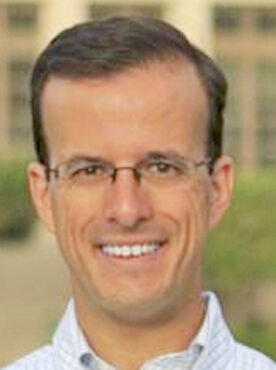
Marc Berman, D-Palo Alto, authored a wide range of bills, butting right against the temporary rule for the session which limited the number of bills moved from the Assembly to the Senate for each lawmaker to 12.
“This was a massive year for us for getting really substantive legislation passed,” said Berman. “Far better than any year I’ve had so far, and far better than I expected when we started the year.”
Among the most notable, Assembly Bill 37, recently signed by Newsom, will make permanent measures taken amid shelter-in-place orders which require vote-by-mail ballots be sent to all 22 million plus registered voters statewide. The bill is designed to increase voter turnout, and will also set minimum vote-by-mail ballot drop-off location requirements.
Another key bill by Berman, still awaiting a signature, Assembly Bill 928 would streamline the process for students to transfer from community colleges to four-year universities by establishing a clearly defined path. Despite “significant opposition from big stakeholders,” the bill had unanimous support from both sides of the aisle, Berman said.
“Our current system is unnecessarily complex and confusing and leads to students taking more credits than they need to and taking more time than they need to, and oftentimes leads to students just dropping out before they even get to their goal,” said Berman.
A second bill awaiting a signature, Assembly Bill 1346 would see the sale of gas-powered yard equipment banned, an environmentally minded piece of legislation aiming to tackle both noise and air pollution. Daily emissions from such equipment are set to surpass those from passenger cars this year, Berman said. This bill, he added, was his most challenging to pass this year due to widespread conservative opposition.
Other bills passed through both houses include an effort to integrate tobacco treatment in substance use programs, a mechanism for getting federal funding to schools providing health services, and rules for furthering election transparency.
Another bill, which work will continue on next year, is designed to address the governance structure of the Valley Transportation Authority, something multiple grand juries have called for in past years.
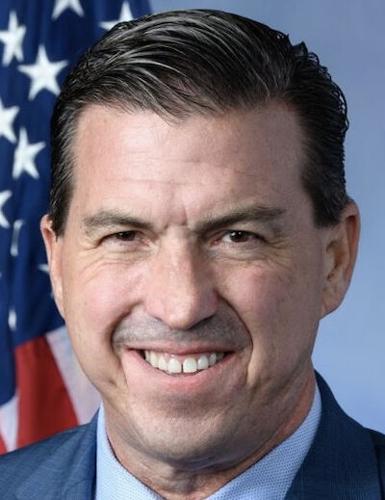
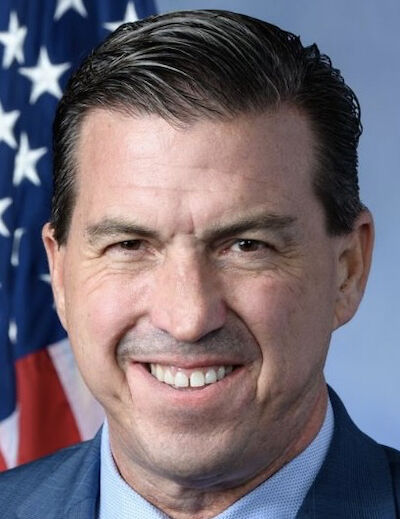
Speaker pro Tem Kevin Mullin, D-South San Francisco, had a session marked primarily by budget achievements, bringing millions to various projects on the Peninsula.
Funding worked into the state budget includes $2 million to support the reconstruction of the Millbrae Recreation Center currently being built, $7.75 million for the Esplanade infrastructure project in Pacifica, $500,000 to repair and the Pacifica Municipal Pier, and $5 million to construct the Redwood City Ferry Terminal.
Mullin also pulled in $8 million for his OneShoreline initiative, the county’s flood and sea level rise resiliency district. The money will be spent to work towards a cohesive solution for sea level rise for the region.
The governor signed off on a historic $15 billion in climate-related spending this year, $3.7 billion of which will go toward a climate resilience package.
“The real priority for me was the climate resilience package,” said Mullin. “San Mateo County is front and center when it comes to the impacts of sea level rise, my district in fact is the most impacted district in California from a property value standpoint.”
Mullin also authored two affordable housing bills signed by Newsom, Assembly bills 464 and 1029. The latter will act as a tool for local jurisdictions to access state money to aid in the preservation of affordable units, while AB 464 will create more flexibility for local governments to access funding.
Mullin said while he was proud of some significant housing legislation passed this year, noting Senate bills 9 and 10 in particular, he recognized more work was needed.
“I think some progress was made when it comes to housing, but we’re still frankly nowhere near the governor’s hopes of building 3.5 million new units during his tenure,” said Mullin. “We’re not on pace to come anywhere close to that.”
Other bills Mullin saw passed include a consumer protection law for hearing aids, the allowance of an update to a Department of Motor Vehicles question that could lead to higher organ donations and strengthened protections for public parks.
Despite a more productive session for the Legislature this year compared to last, according to Mullin, there are still a number of things that continue to be works in progress.
While 2020 saw the Legislature “struggling with adapting ... to a pandemic era,” this year saw a more focused effort, said Mullin.
“It really did affect the legislative process, we were in a much better place to handle that having gone through it the previous year,” he said. “[We] figured out what some of the short cuts were, we limited the bill packages so it made it much more manageable.”
Both members of the Assembly have stated a key focus for next year will be recall elections reform.
“We just came through this $276 million exercise in futility by the Republican party in California,’’ said Mullin. “We need to reform the way we do recalls.”
Berman, who serves as chairman of the Assembly Committee on Elections, along with state Sen. Steve Glazer, D-Orinda, will hold a series of hearings in the coming months with the intent of producing proposals for next year’s session, according to his office.
Mullin mentioned the possibility of adopting a system in which the lieutenant governor would take over in the event of a recall, eliminating the question as to who the replacement would be, and the two would run on the same ticket to avoid any motivation to trigger a recall by the running mate.
Another priority will be the Employment Development Department which, Mullin said, “was a massive failure in so many respects” during the pandemic.
“You’re going to continue to have oversight hearings, there will be lessons learned that this department needs to be able to be flexible enough to upsize when you have a major economic event, like a pandemic or a housing crunch,” said Mullin.
And as always, the climate and housing crisis will continue to be a focus as well, Mullin said.







(0) comments
Welcome to the discussion.
Log In
Keep the discussion civilized. Absolutely NO personal attacks or insults directed toward writers, nor others who make comments.
Keep it clean. Please avoid obscene, vulgar, lewd, racist or sexually-oriented language.
Don't threaten. Threats of harming another person will not be tolerated.
Be truthful. Don't knowingly lie about anyone or anything.
Be proactive. Use the 'Report' link on each comment to let us know of abusive posts.
PLEASE TURN OFF YOUR CAPS LOCK.
Anyone violating these rules will be issued a warning. After the warning, comment privileges can be revoked.