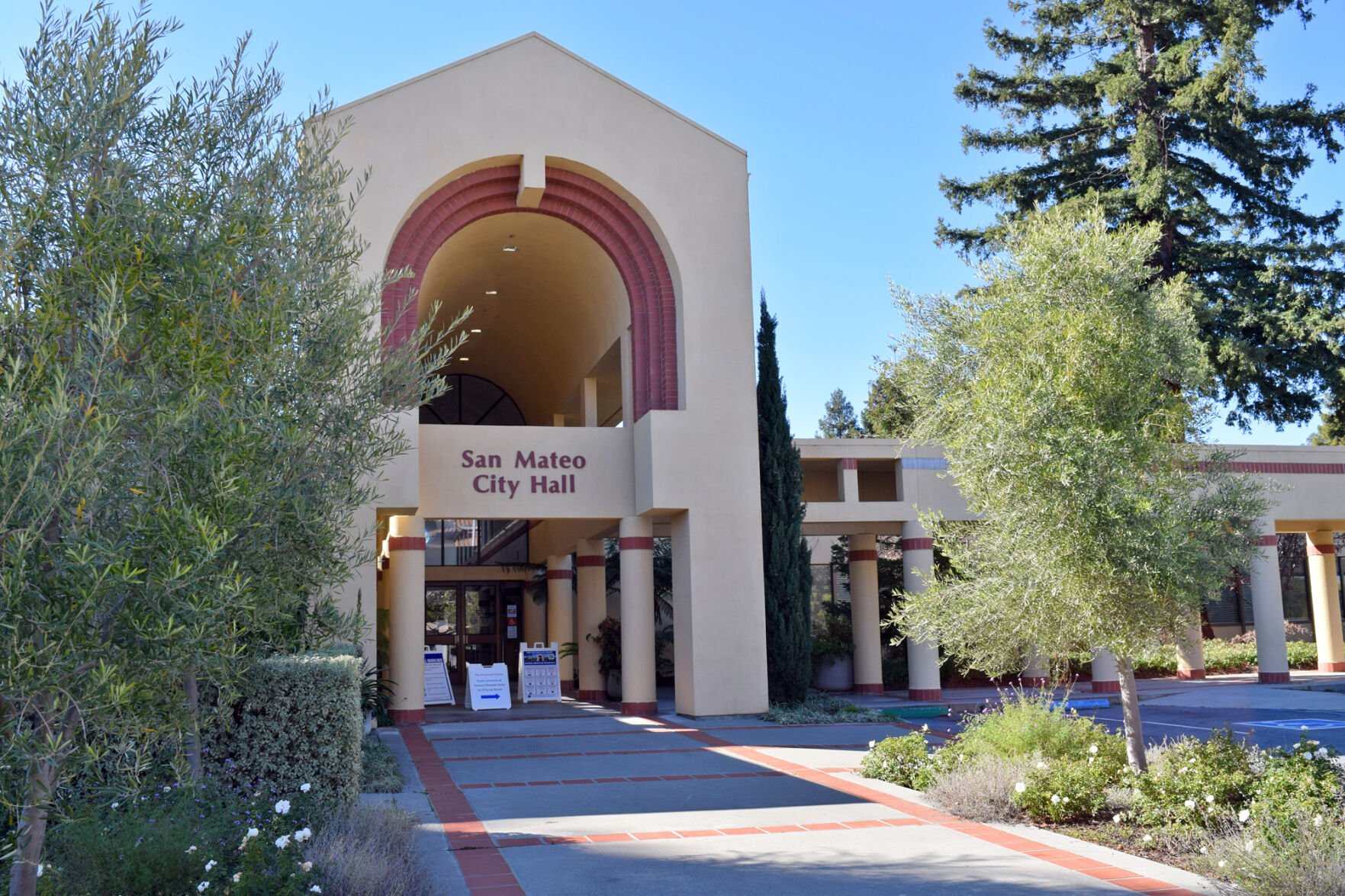
San Mateo’s anticipated draft housing element plan has received feedback in its first state review, with state officials and housing advocates calling for further revisions to gain compliance.
The housing element is a state-mandated plan detailing how the city will address its housing needs for the next eight years, which includes zoning for more than 7,000 new units to meet the city’s housing needs. It serves as the city road map for housing-related decisions and plans for how to meet housing goals over the coming years, and the city submitted its first draft to the state in May.
The California Department of Housing and Community Development’s Sept. 28 response letter to the city called for revisions to get its housing element into compliance. The state’s letter called for further analysis of the feasibility of future housing sites, fair housing policy, housing programs and removing constraints to building housing.
Zach Dahl, deputy director of Community Development in San Mateo, said the state review was the first of the housing element and was a normal part of the approval process, with at least one more review expected before the January deadline. The state also gives an extra 120 days beyond the January deadline to ensure compliance if the city needs additional time. Dahl said staff was going through the initial reading and review process to understand the state’s comments and did not have a complete idea of the needed changes.
“We are still digesting and taking it all in and figuring out how best to address these comments,” Dahl said.
Dahl acknowledged the new housing cycle was in unknown territory, and the city is still trying to understand and address state concerns. City staff will study the letter’s comments and have conversations with state officials about how to best address and rectify any changes. He said it was too early in the process to know if the city needed to prioritize any subject of comment from the state. Director of Community Development Christina Horrisberger said the preliminary review shows some revisions are easier than others but couldn’t make any definitive conclusions.
“I don’t think we are at a point where we can say which ones are going to be the toughest or most time intensive or any that will be particularly onerous,” Horrisberger said.
However, housing advocates from the Housing Leadership Council of San Mateo County warned that the city must take the letter seriously and meaningfully address concerns from the state. Jeremy Levine, a policy manager with HLC, said the city did not do enough analysis of the constraints and barriers to housing and what policies and programs can address them.
“The letter indicates HCD is very determined to help San Mateo get more housing, but San Mateo has a lot of work to do to get there,” Levine said.
Recommended for you
Levine said there are several constraints to a successful city housing plan for the city, including Measure Y, a 2020 public initiative that limits new residential building heights and densities to 55 feet tall and 50 dwelling units per acre. Levine said the city must either allow more density through upzoning to meet requirements or treat Measure Y as unenforceable and cite state law when superseding it.
Levine said the issues come down to multiple layers of government not meeting the housing element and not taking the necessary steps. He noted the Planning Commission gave the City Council good feedback, but the council did not implement recommendations. He called for more fair and low-income housing analysis, noting the city didn’t include enough policies or programs promoting low-income housing or needs.
“I am hoping San Mateo, in response to this letter, will change course and embrace the city’s true values firmly,” Levine said.
Michael Weinhauer, a community leader serving on the Steering Committee San Mateans for Responsive Government, a group for Measure Y, said the process is going along as planned, with a normal back and forth to reach a passable housing element. He said the state has fundamentally inaccurate information about growth and housing that causes chaos for local governments.
“I didn’t see anything that wasn’t expected,” Weinhauer said. “In general, HCD has way too much power and the numbers they have is completely out of whack.”
Levine said housing advocates and the public had told the city everything the state expressed concern about in its letter, saying the city didn’t do enough due diligence with outreach. Dahl and Horrisberger refuted the claims and noted the city had done significant public outreach over the past year in the community. Both noted it had numerous meetings and pop-up events throughout the city and will continue to hold meetings. Horrisberger said the city would have a November study session with the City Council to discuss the housing element and updates.
For years the HCD had absolutely no muscle so cities ignored the numbers of units to be added, instead adding tens of thousands of new jobs. That resulted in a disaster for renters. It was the perfect environment for the rapidity of sky high rents that have forced workers to leave the Peninsula and endure terrible commutes for their jobs. The cities have only themselves to blame now that the HCD has been truly empowered.
Keep the discussion civilized. Absolutely NO
personal attacks or insults directed toward writers, nor others who
make comments. Keep it clean. Please avoid obscene, vulgar, lewd,
racist or sexually-oriented language. Don't threaten. Threats of harming another
person will not be tolerated. Be truthful. Don't knowingly lie about anyone
or anything. Be proactive. Use the 'Report' link on
each comment to let us know of abusive posts. PLEASE TURN OFF YOUR CAPS LOCK. Anyone violating these rules will be issued a
warning. After the warning, comment privileges can be
revoked.
Please purchase a Premium Subscription to continue reading.
To continue, please log in, or sign up for a new account.
We offer one free story view per month. If you register for an account, you will get two additional story views. After those three total views, we ask that you support us with a subscription.
A subscription to our digital content is so much more than just access to our valuable content. It means you’re helping to support a local community institution that has, from its very start, supported the betterment of our society. Thank you very much!









(2) comments
For years the HCD had absolutely no muscle so cities ignored the numbers of units to be added, instead adding tens of thousands of new jobs. That resulted in a disaster for renters. It was the perfect environment for the rapidity of sky high rents that have forced workers to leave the Peninsula and endure terrible commutes for their jobs. The cities have only themselves to blame now that the HCD has been truly empowered.
Cities do not produce housing, developers do. In most cases developers get paid to wait and produce a product at the highest possible price.
Welcome to the discussion.
Log In
Keep the discussion civilized. Absolutely NO personal attacks or insults directed toward writers, nor others who make comments.
Keep it clean. Please avoid obscene, vulgar, lewd, racist or sexually-oriented language.
Don't threaten. Threats of harming another person will not be tolerated.
Be truthful. Don't knowingly lie about anyone or anything.
Be proactive. Use the 'Report' link on each comment to let us know of abusive posts.
PLEASE TURN OFF YOUR CAPS LOCK.
Anyone violating these rules will be issued a warning. After the warning, comment privileges can be revoked.