From Sheila C.: “I received, as a present, an Amaryllis. As an indoor cat owner, I always check on plants and I was pretty sure I was right. Yes, there it was, number 3 on my list of poisonous plants to cats.” While eating or even just chewing on any plant may result in vomiting and gastrointestinal upset, there is indeed a list of plants known to have caused systemic problems for cats and dogs. You are wise, Sheila, to do your best to keep them away from pets — but you might find that challenging, and here’s why. Of the more than 1,000 pet-unfriendly plants identified, some are so common (houseplants and outdoor landscaping) that even someone with a black thumb is likely to recognize many.
African Violet, Aloe, Amaryllis (yep!), Asparagus Fern (among several types of Fern), Avocado, Azalea, Baby’s Breath, Bamboo, Begonia, Bird of Paradise, Calla and many other types of Lily, Carnation, Coleus, Daffodil, many varieties of Daisy, Deadly Nightshade (duh!), Dieffenbachia, Gardenia, Geranium, Gladiola, Hibiscus, Holly, Hyacinth, Hydrangea, Ivy, Jade, Jasmine, Lantana, Lavender, Marigold, Nasturtium, Oleander, Parsley, Peony, Petunia, Philodendron, Pothos, Prayer Plant, Rhododendron, Rubber Plant, Sago Palm, Snake Plant, Spider Plant, Sunflower, Tulip, Wandering Jew, Wisteria, Yew, Yucca, and Zinnia. A simple web search will add many, many more plants to the list.
The good news is that, while not unknown, actual poisoning of cats from plants is exceptionally rare and kudos to Sheila since the fact that her cats are indoor-only animals is best for the health and well-being of both the cats and local wildlife. It also makes such poison-plant-proofing a far more manageable task. But since even the most benign plant can prove problematic if chewed by our pets, you might consider some tactics if you have an animal who loves leaves. Aside from carefully considering where plants are placed, one trick to help train them away from the habit is to make plants unappealing. Try spraying plants with cayenne pepper very diluted in water, or roll underarm deodorant on the leaves. A mouthful of that is sometimes enough to dissuade pets from looking at your plants as a snack.
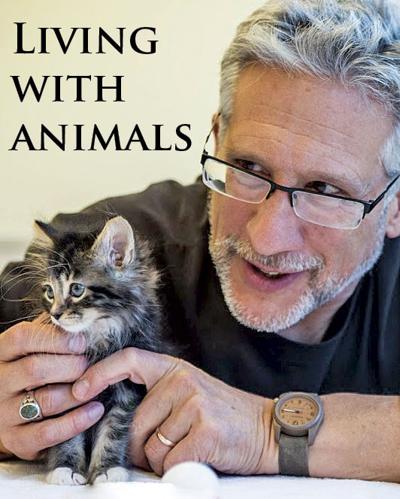
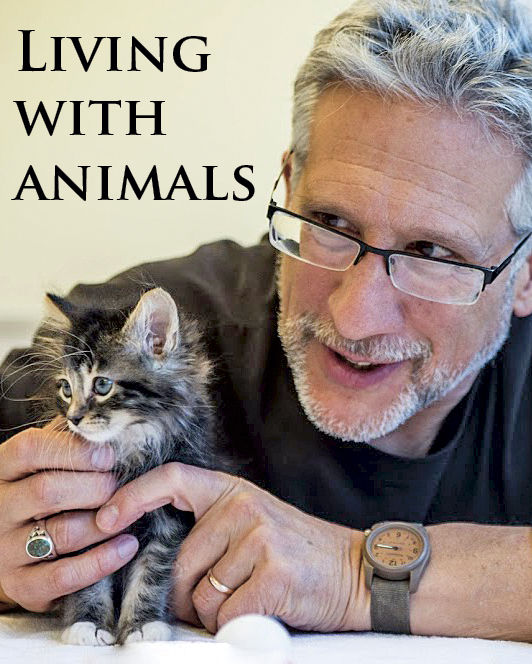
Ken White is the president of the Peninsula Humane Society & SPCA.
Keep the discussion civilized. Absolutely NO
personal attacks or insults directed toward writers, nor others who
make comments. Keep it clean. Please avoid obscene, vulgar, lewd,
racist or sexually-oriented language. Don't threaten. Threats of harming another
person will not be tolerated. Be truthful. Don't knowingly lie about anyone
or anything. Be proactive. Use the 'Report' link on
each comment to let us know of abusive posts. PLEASE TURN OFF YOUR CAPS LOCK. Anyone violating these rules will be issued a
warning. After the warning, comment privileges can be
revoked.
Please purchase a Premium Subscription to continue reading.
To continue, please log in, or sign up for a new account.
We offer one free story view per month. If you register for an account, you will get two additional story views. After those three total views, we ask that you support us with a subscription.
A subscription to our digital content is so much more than just access to our valuable content. It means you’re helping to support a local community institution that has, from its very start, supported the betterment of our society. Thank you very much!








(0) comments
Welcome to the discussion.
Log In
Keep the discussion civilized. Absolutely NO personal attacks or insults directed toward writers, nor others who make comments.
Keep it clean. Please avoid obscene, vulgar, lewd, racist or sexually-oriented language.
Don't threaten. Threats of harming another person will not be tolerated.
Be truthful. Don't knowingly lie about anyone or anything.
Be proactive. Use the 'Report' link on each comment to let us know of abusive posts.
PLEASE TURN OFF YOUR CAPS LOCK.
Anyone violating these rules will be issued a warning. After the warning, comment privileges can be revoked.