I never met Dr. Julie Butler but her untimely death at age 62, one more victim of the COVID-19 pandemic, leaves me mourning a stranger. The only African American graduate in the class of 1989 of Cornell University’s College of Veterinary Medicine, Dr. Butler spent almost her entire career running Harlem’s 145th Street Animal Hospital. The “business” next door was a crack house. The hospital’s receptionist sat behind bulletproof glass. Her first home was an apartment above the practice, an easy commute for those long days but hardly an ideal place to live. But it’s clear that Dr. Butler did not focus her attention on the neighborhood’s very real dangers so much as on her neighbors’ very real need for someone to care for their companion animals.
Like many of the veterinarians I’ve known, reportedly Dr. Butler knew she wanted to be the animals’ doctor since early childhood, and that she wanted to practice in a community where the need was large and going largely unfulfilled. According to her daughter, Zora Howard, “I rarely saw my mother turn anyone away. She had something built into the fabric of who she was: If you have the means to give, you give. If you have the roof to shelter, you shelter.” This need-driven rather than profit-driven approach to medicine led Dr. Butler to create a nonprofit which provided funds to economically disadvantaged owners of pets in need of emergency care. Not surprisingly, this approach also meant that her medical practice was typically functioning at the edge of financial uncertainty. She was a sole practitioner, often working well past midnight, and according to her husband “she was never really focused on the business side. She was interested in the animals. There were people who swore by her because she saved their animals’ lives” but who, she well knew, would never be able to pay for her life-saving work. And to make a point which perhaps is obvious, practicing medicine — no matter how personally rewarding — is anything but inexpensive.
Julie Butler, doctor of veterinary medicine, died on April 4, 2020, of complications of the novel coronavirus at her home in Harlem. Far more important to say, however, is that she lived a good life.
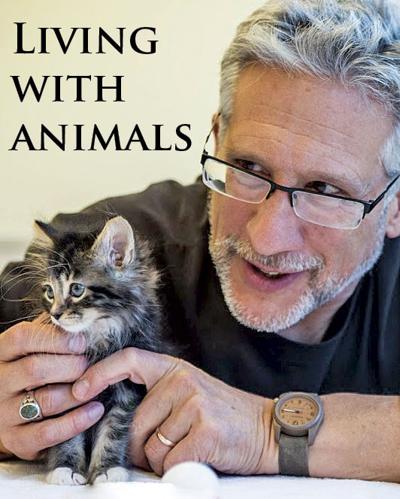
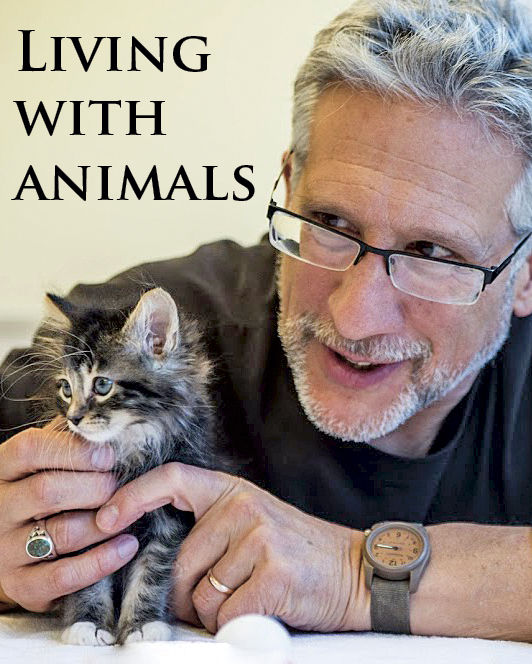
Ken White is the president of the Peninsula Humane Society & SPCA.
Keep the discussion civilized. Absolutely NO
personal attacks or insults directed toward writers, nor others who
make comments. Keep it clean. Please avoid obscene, vulgar, lewd,
racist or sexually-oriented language. Don't threaten. Threats of harming another
person will not be tolerated. Be truthful. Don't knowingly lie about anyone
or anything. Be proactive. Use the 'Report' link on
each comment to let us know of abusive posts. PLEASE TURN OFF YOUR CAPS LOCK. Anyone violating these rules will be issued a
warning. After the warning, comment privileges can be
revoked.
Please purchase a Premium Subscription to continue reading.
To continue, please log in, or sign up for a new account.
We offer one free story view per month. If you register for an account, you will get two additional story views. After those three total views, we ask that you support us with a subscription.
A subscription to our digital content is so much more than just access to our valuable content. It means you’re helping to support a local community institution that has, from its very start, supported the betterment of our society. Thank you very much!






(0) comments
Welcome to the discussion.
Log In
Keep the discussion civilized. Absolutely NO personal attacks or insults directed toward writers, nor others who make comments.
Keep it clean. Please avoid obscene, vulgar, lewd, racist or sexually-oriented language.
Don't threaten. Threats of harming another person will not be tolerated.
Be truthful. Don't knowingly lie about anyone or anything.
Be proactive. Use the 'Report' link on each comment to let us know of abusive posts.
PLEASE TURN OFF YOUR CAPS LOCK.
Anyone violating these rules will be issued a warning. After the warning, comment privileges can be revoked.