
Keeping Caltrain on track
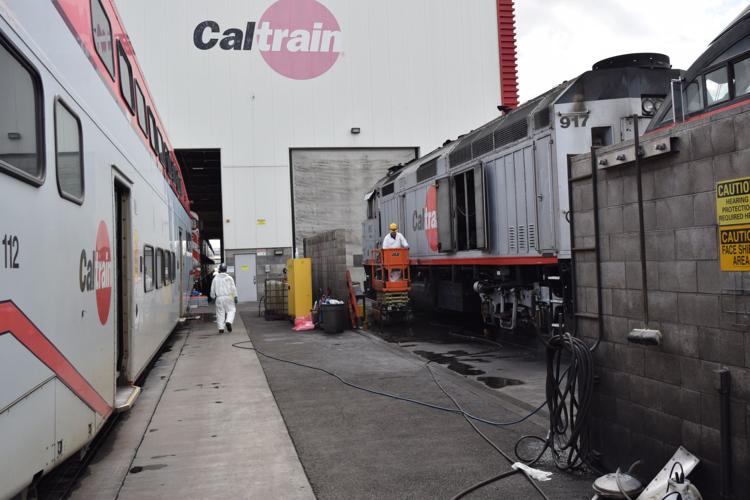
Caltrain’s commuter experience is largely determined by a little known, though loud and bustling operation roughly 2 miles from San Jose’s Diridon station — the maintenance yard.
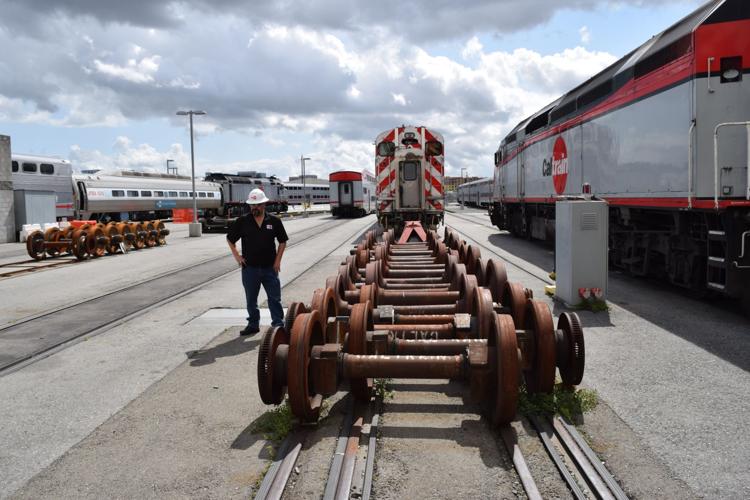
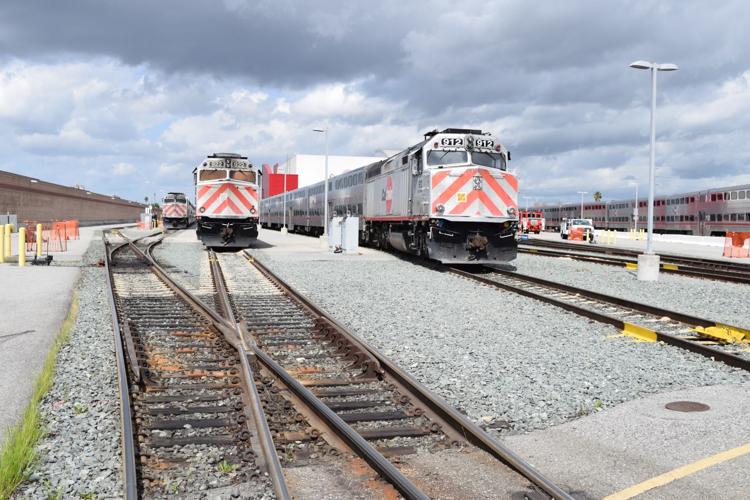
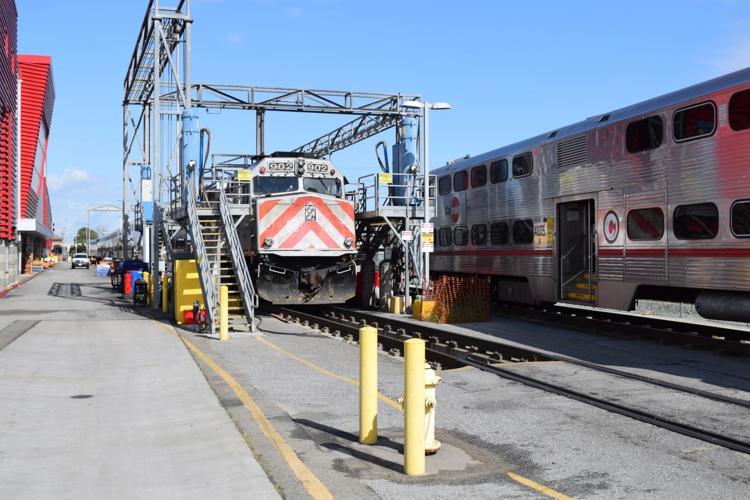
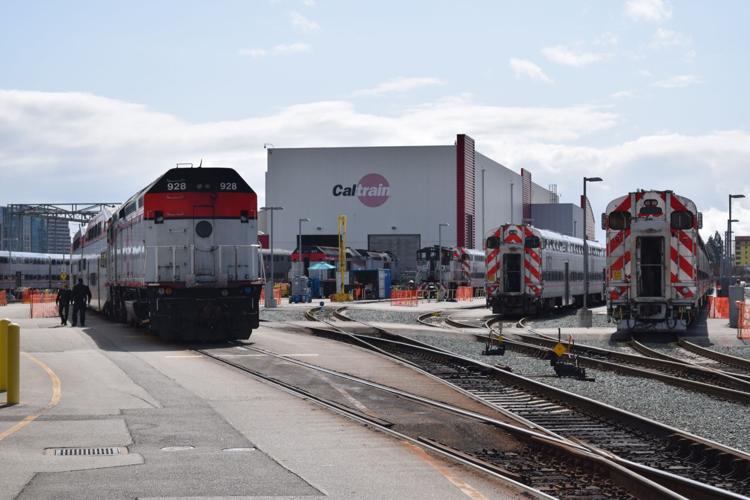
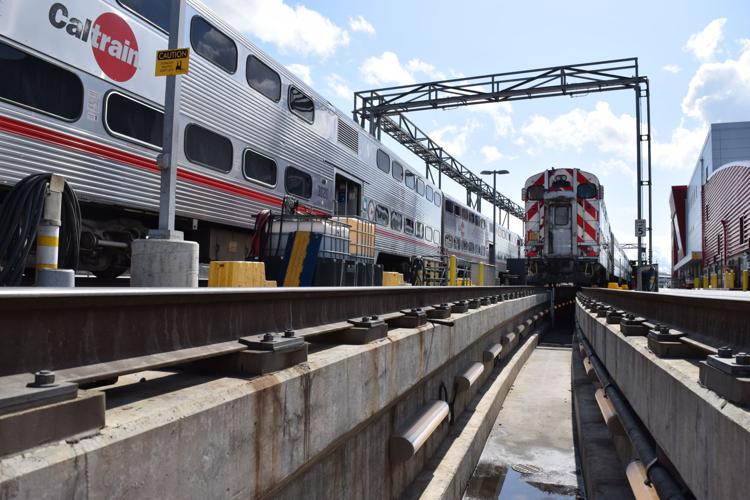
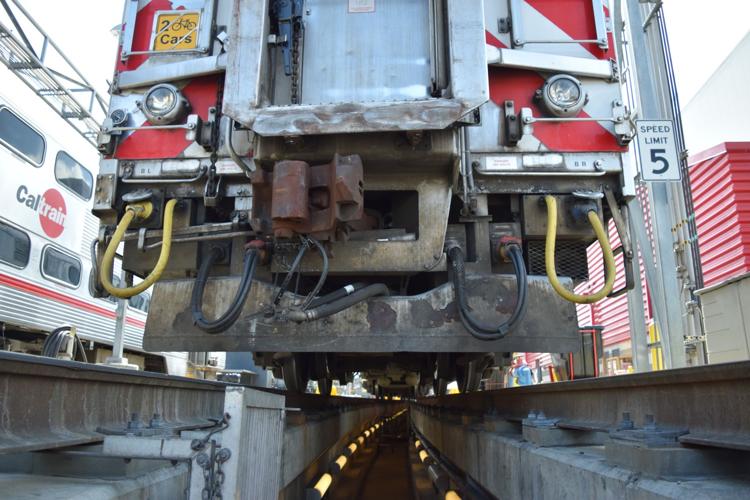
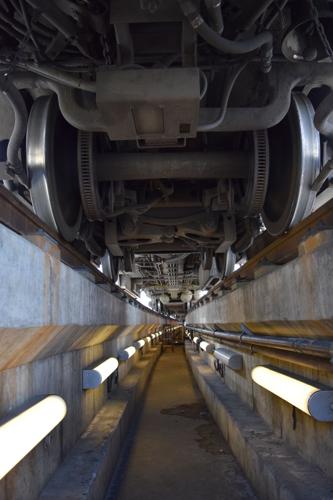
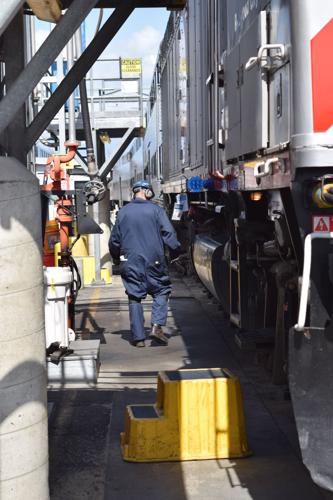
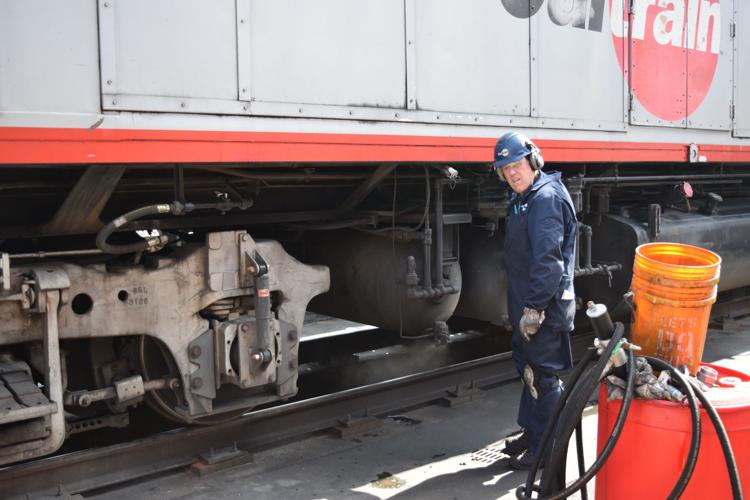
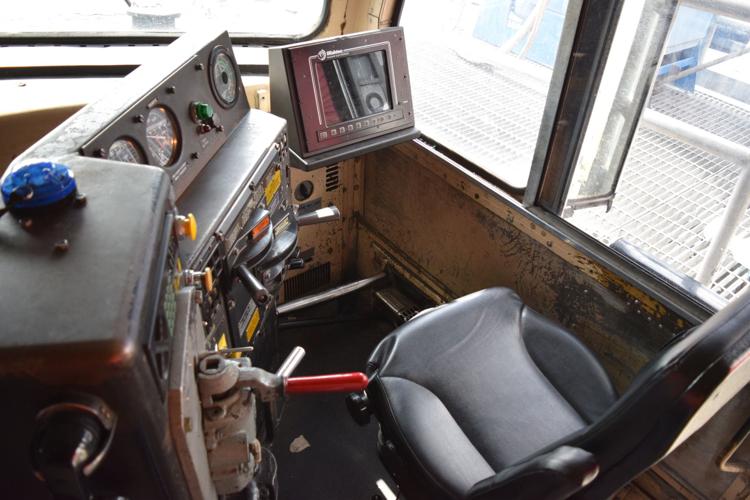
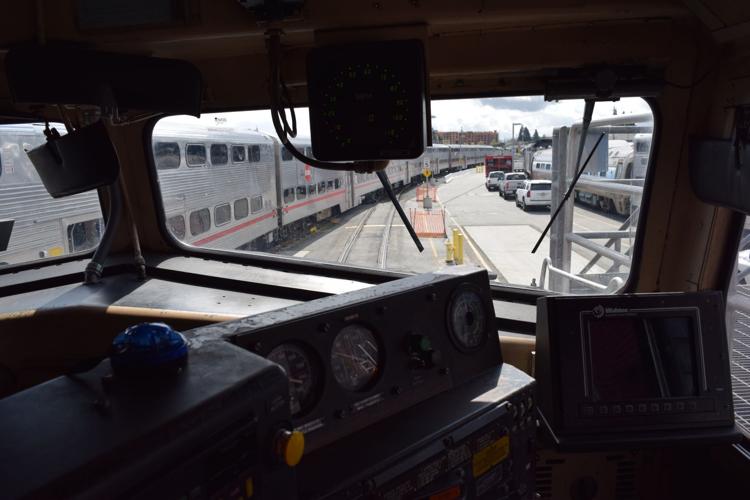
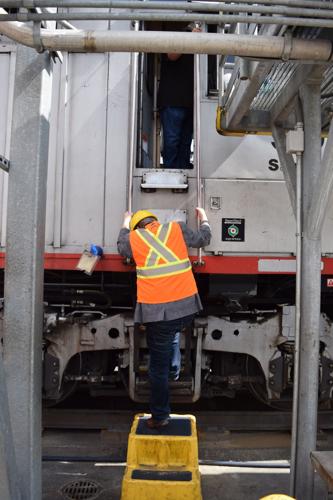
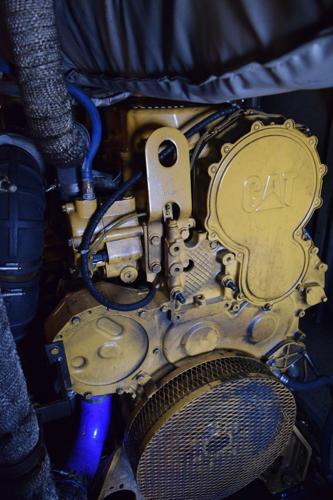
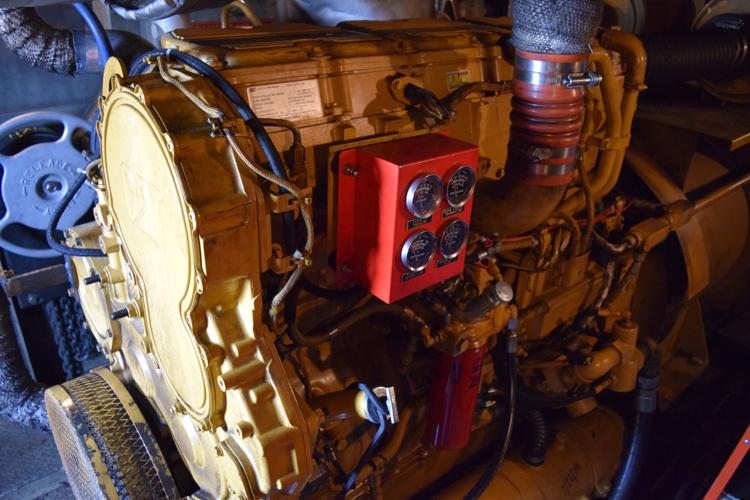
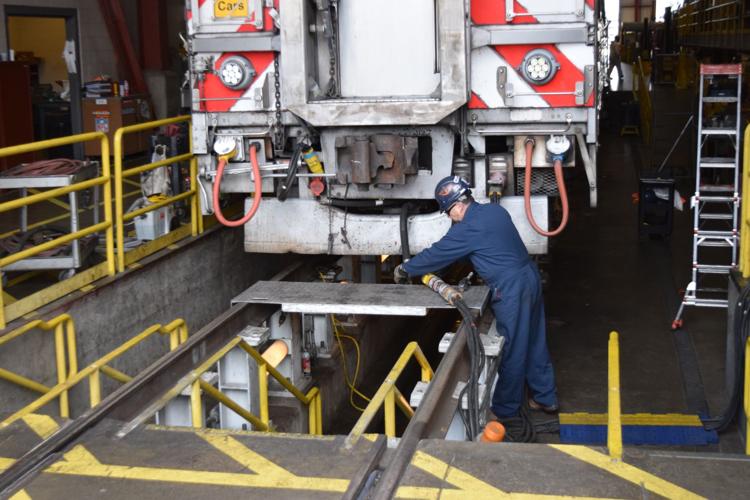
A mechanic working on a train’s cables inside Caltrain’s 22-acre Central Equipment and Maintenance Facility in San Jose.
- Zachary Clark/Daily Journal
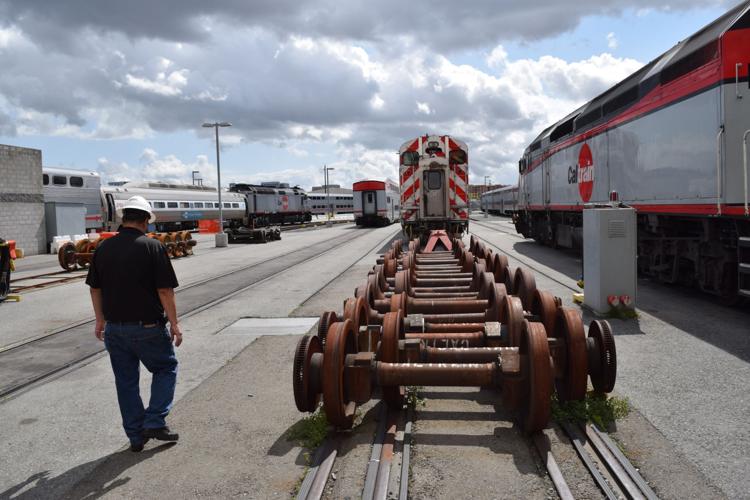
Caltrain’s commuter experience is largely determined by a little known, though loud and bustling operation roughly 2 miles from San Jose’s Diridon station — the maintenance yard.
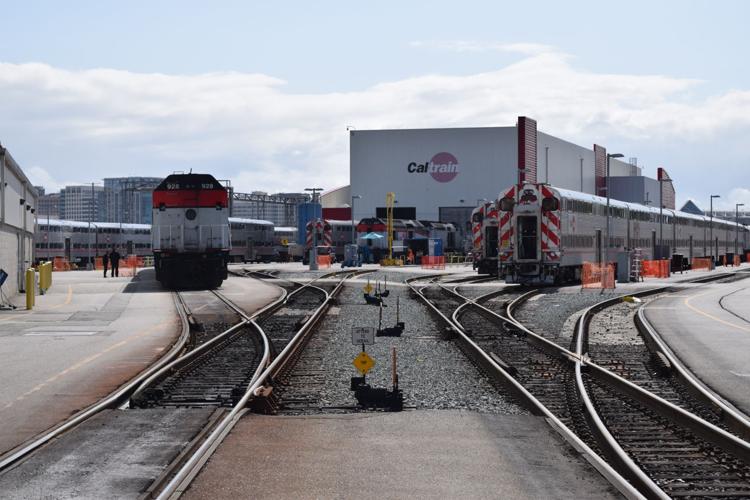
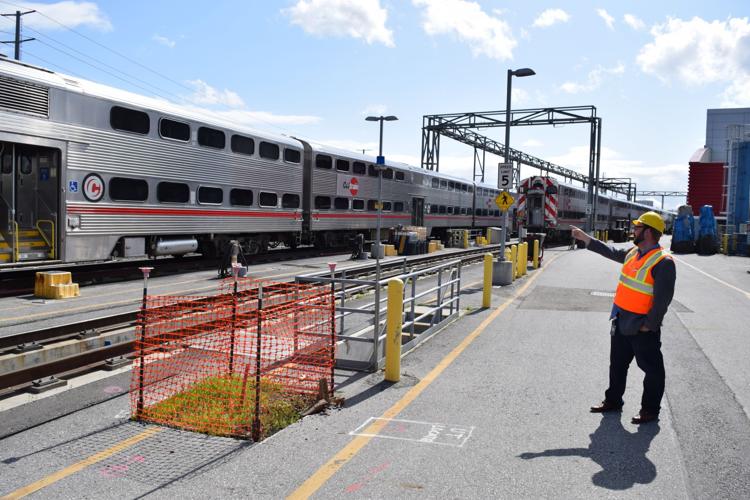
The 22-acre Centralized Equipment Maintenance and Operations Facility, or CEMOF, is the railroad’s hub for maintenance and repairs, with two smaller yards located in Gilroy and in San Francisco.
Every locomotive and passenger car in the Caltrain fleet visits CEMOF regularly for inspections, preventative maintenance, heavy repairs and cleaning. The facility is also home to the railroad’s Centralized Control Facility, where dispatchers direct and monitor train traffic along the 48-mile corridor.
The CEMOF site was once owned by the Southern Pacific Railroad and reopened as Caltrain’s all-inclusive repairs hub in 2007 after three years and $140 million worth of construction.
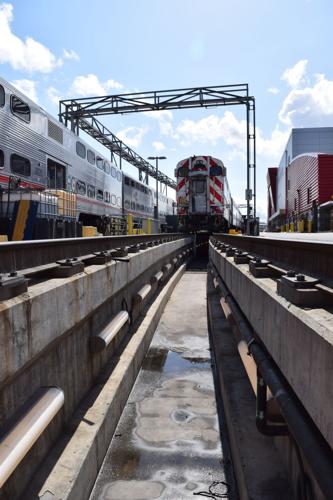
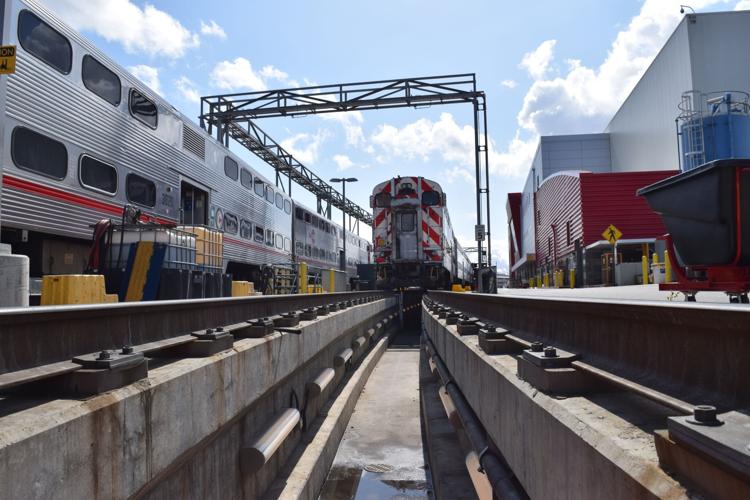
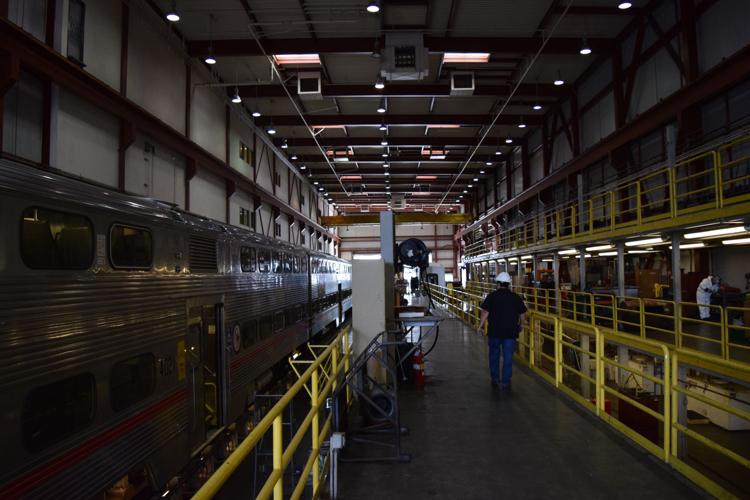
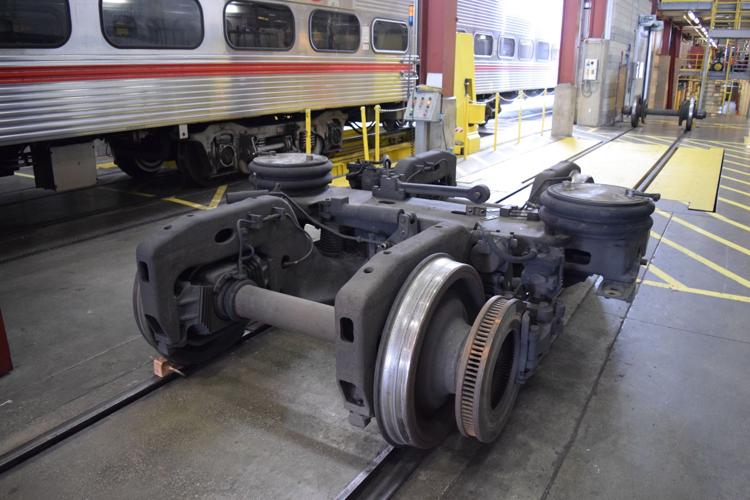
Nine tracks meander throughout CEMOF, a few of which bring cars and locomotives into the three-story, 58,000-square-foot repair shop. That building is equipped with a crane that can lift up to 25 tons, drop tables used to separate cars from their wheel sets and a wheel-trimming machine that can fix wheels with defects.
But much of the equipment and tools would be familiar to the average car mechanic, said Facility Manager Carlos Leon.
“We use a lot of the same kinds of tools you use to repair a car, but bigger and heavier,” he said.
Each locomotive and car is inspected and cleaned daily. Crews perform air tests on the brakes and ensure the electrical system and doors function properly, for example, and there are increasingly thorough inspections as well as preventative maintenance and repairs occurring at least every 92 days or as needed.
Some of the most intense repair work is necessary after vehicle strikes, which occur on average every month and a half. On a typical week, CEMOF sees a set of three to five cars for top-to-bottom inspections and tune-ups.
Leon said Caltrain’s aging fleet requires increasingly more attention these days, especially with some locomotives dating back to the mid-1980s, but most people wouldn’t know it because of the crew’s rigorous preventative maintenance program.
Caltrain’s fleet encompasses 20 trains plus two spare sets, one of which is typically stationed in San Francisco and the other in San Jose. Eight trains spend each night in San Jose, nine in San Francisco and three are based in Gilroy.
About 150 people work at Caltrain’s three maintenance facilities, with 90 at CEMOF and at least one shift on-site at all hours. There are teams of electricians, mechanics, general laborers, cleaners and carmen, who inspect the cars.
Recommended for you
One of those electricians is Caesar Diaz and he’s been with Caltrain for 10 years. On a given workday, he might be assigned to work on dysfunctional locomotives, wheelchair ramps or doors that won’t close or open properly, to name a few common projects.
“Every day is different, you can’t plan for what’s going to happen and that keeps it interesting,” he said. “It’s not the same thing over and over.”
Ricardo Chavez is a carman who’s been with Caltrain since 2008 after working in auto manufacturing for 21 years.
“It’s a good job, I don’t see it going anywhere and it’s a good career for a young man or woman to go into,” he said. “Trains have been around for forever and with electrification coming everybody’s excited for that. Everything will be brand new and there’ll hopefully be less problems.”
Leon said jobs at CEMOF are competitive and stable and offer a desirable benefits package as well as retirement plan. Some workers have been with the agency for 20 to 30 years.
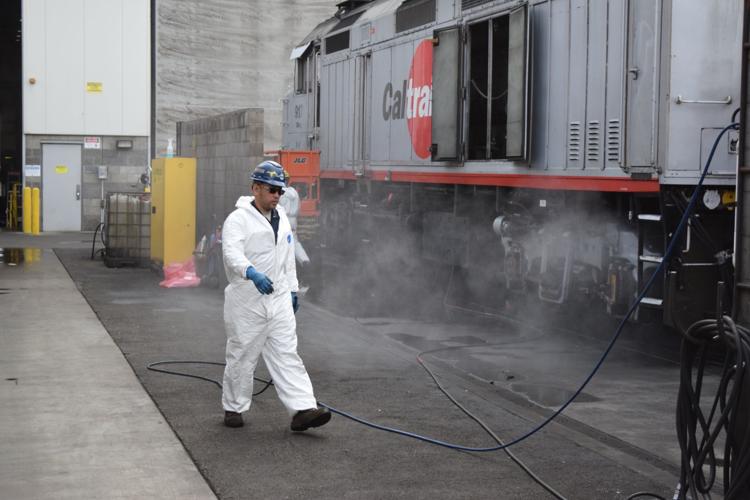
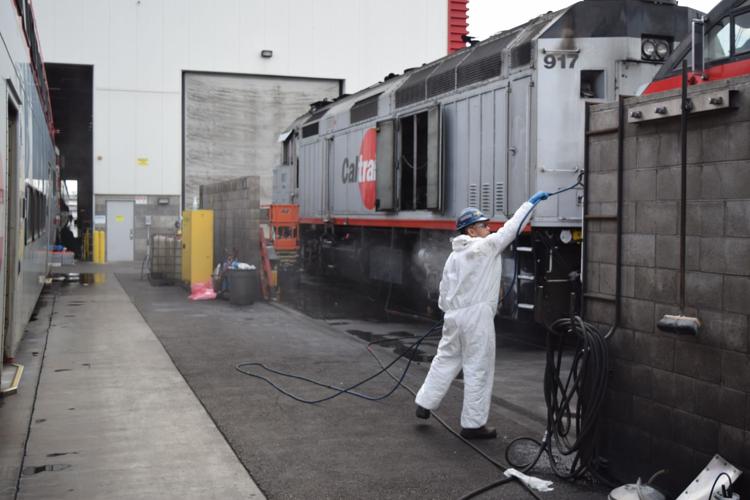
Behind the maintenance hall is a train washing machine, which functions much like the equivalent for cars, but is of course significantly bigger. About half of Caltrain’s fleet is sprayed with a mix of acid and alkaline and scrubbed daily — a 25-minute process — and 80% of the water used is recycled.
Trains are fueled at CEMOF and consume between 700 to 1,500 gallons each visit. In total, Caltrain’s fleet guzzles 7,000 gallons to 10,000 gallons of diesel a day.
Oil changes and other standard tune-up procedures also occur on-site and a water treatment plan prevents the oil and other toxic runoff from reaching the Bay.
Caltrain is in the process of electrifying its system and the $2 billion transition is expected to be complete by 2022. The poles that are being installed to support the overhead contact system throughout the corridor are also being installed at CEMOF and the facility will have to be rearranged slightly as the transition proceeds to accommodate new equipment and additional trains.
With the power coming from above, new safety procedures will be implemented and workers will undergo extensive training for the transition to electrification, but otherwise daily operations won’t change dramatically and the workforce will largely remain the same, said Anthony Ruiz, deputy general manager at CEMOF.
“The biggest change we’ll experience is the [overhead power] lines and new safety procedures to accommodate them,” he said. “When you think about it it’s just another power source, but I don’t want to make it sound easy because there’s a lot of risk involved with the overhead line.”
(650) 344-5200 ext. 102








(0) comments
Welcome to the discussion.
Log In
Keep the discussion civilized. Absolutely NO personal attacks or insults directed toward writers, nor others who make comments.
Keep it clean. Please avoid obscene, vulgar, lewd, racist or sexually-oriented language.
Don't threaten. Threats of harming another person will not be tolerated.
Be truthful. Don't knowingly lie about anyone or anything.
Be proactive. Use the 'Report' link on each comment to let us know of abusive posts.
PLEASE TURN OFF YOUR CAPS LOCK.
Anyone violating these rules will be issued a warning. After the warning, comment privileges can be revoked.