As children, many of us heard the fairy tale of “The Three Little Pigs.” The first little pig built his house of straw. When the wolf came, he huffed, and he puffed, and he easily blew the house down. The second little pig built his house of sticks. The wolf huffed, and he puffed and had to work a little harder, but he blew it down as well. The third little pig built his house of bricks, and the wolf couldn’t blow his house down.
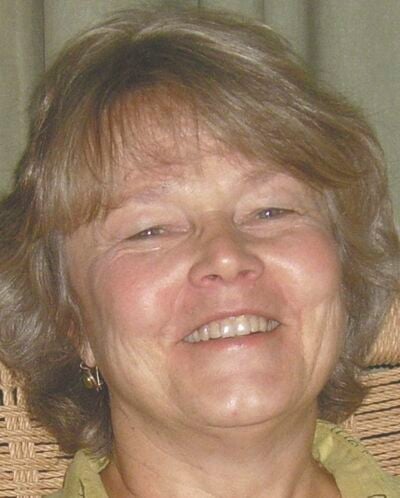
Karen Maki
As adults, we are reliving the life of the second little pig over and over. The exteriors of most of our houses are built of big “sticks” in the form of wood siding or wood shake roofs. When strong winds blow, flying embers repeatedly burn our houses down. Instead of rebuilding our houses with “bricks,” we rebuild with “sticks”.
Recently, Gov. Gavin Newsom declared a state of emergency fast-tracking fuel reduction projects statewide and signed an executive order to improve community hardening to prepare for future urban firestorms. This important order requires the removal of flammable material from the first 5 feet around a house and the release of updated Fire Hazard Severity Zone maps. It will encourage Californians to take actions that directly protect their homes from firestorms.
Nine out of 16,909 fires in California during 2017 and 2018 caused 95% of the damage. All nine fires occurred under extreme, wind-driven conditions. Cal Fire acknowledges that thinning forests is ineffective during wind-driven fires, the fires that kill the most people and destroy the most homes.
Winds of 90-100 mph can blow a burning ember 2-3 miles ahead of the flaming front, as they did in the recent Los Angeles fires, igniting many houses quickly. To protect homes from such firestorms, we must make the homes themselves non-ignitable.
How to protect a home from fire, to “ harden” to fire, is well known by fire professionals. CalFire and San Mateo County Firesafe Council explain what is needed on their websites, including eliminating flammable material within 5 feet of the building. They also suggest additional actions such as installing class A roofs instead of wood shake shingles, replacing wood exterior walls with stucco or brick, covering rooftop vents, and installing double-paned tempered glass windows that don’t easily break during a fire and expose the vulnerable flammable interior of the house to fire.
Recommended for you
The problem is that much of the public remains unaware of the importance of maintaining defensible space (reduced vegetation) and hardening the exterior of their home to wildfire embers. They remodel and build with wood shake exterior walls or wooden decks, without realizing that they are increasing their vulnerability to fire.
The state must do more to educate the public and to defray the costs of home hardening and maintaining 100 feet of defensible space around the home. According to a Legislative Analyst’s Office report, only 2% of the state’s wildfire resilience funds are devoted to home hardening and defensible space compared to 77% spent on fuel breaks, and resilient forests and landscapes. Such a meager commitment to the safety of urban and suburban residents does not serve the many Californians who live in population centers like the Bay Area and Los Angeles County. We deserve protection from future urban firestorms.
Some local governments have stepped up. The city of Berkeley has an inspection program, and Santa Clara County is offering online or over-the-counter home hardening retrofit permits. Most local entities have not. To engage more communities and the public, more support is needed from our state government.
Homes rebuilt after a fire, as in Los Angeles, must not replicate the house that just burned. Rebuilding presents an opportunity to create a non-ignitable house. California building codes detail how to do it. In our haste to rebuild, we must not weaken or waive them.
Until mankind successfully addresses climate change, we will continue to live in a fire-prone world and must adapt by building our houses of “bricks,” not “sticks.” Every rebuild and remodel must move us closer to making our communities non-ignitable.
Karen Maki is the chairperson for the San Mateo County Democratic Party. She wrote this article in her capacity as chair of Forest Protection Committee of the Loma Prieta Chapter of the Sierra Club.
Thanks for your letter, Ms. Maki, but I have to wonder whether an economic study was performed to determine how much costs will increase if are to build houses of “bricks” and not “sticks” or if we are to rebuild houses with “bricks” and not “sticks.” You claim Cal Fire acknowledges that thinning forests is ineffective during wind-driven fires but wouldn’t thinning forests reduce the likelihood of larger fires and their increased amount of wind-driven embers during firestorms? If building houses of “bricks” makes a big difference, then change home building rules to require “bricks” and not “sticks.”
Thanks Karen for your dedication to finding workable solutions to the Forest/Urbanization interface. I agree that public agencies need to act to protect California's natural heritage.
Rubber-stamping more commercial buildings, without requiring that those developers and commercial businesses continue to help fund new fireproof-infrastructure improvements (non-wood) for resulting required housing units, only leads to less safety for the folks that new jobs are being created to attract.
Families deserve homes with some (small) yard space, and safe parks nearby.
Just intensely densifying housing, with stacked units, will continue to drive young employees and families from our state to areas where "homesteads" are encouraged.
Unless the State prohibits new development near existing preserved native woodlands, alternative construction materials and undergrounding utilities are alternatives to reduce fire disasters - alternatives available now.
Keep the discussion civilized. Absolutely NO
personal attacks or insults directed toward writers, nor others who
make comments. Keep it clean. Please avoid obscene, vulgar, lewd,
racist or sexually-oriented language. Don't threaten. Threats of harming another
person will not be tolerated. Be truthful. Don't knowingly lie about anyone
or anything. Be proactive. Use the 'Report' link on
each comment to let us know of abusive posts. PLEASE TURN OFF YOUR CAPS LOCK. Anyone violating these rules will be issued a
warning. After the warning, comment privileges can be
revoked.
Please purchase a Premium Subscription to continue reading.
To continue, please log in, or sign up for a new account.
We offer one free story view per month. If you register for an account, you will get two additional story views. After those three total views, we ask that you support us with a subscription.
A subscription to our digital content is so much more than just access to our valuable content. It means you’re helping to support a local community institution that has, from its very start, supported the betterment of our society. Thank you very much!






(2) comments
Thanks for your letter, Ms. Maki, but I have to wonder whether an economic study was performed to determine how much costs will increase if are to build houses of “bricks” and not “sticks” or if we are to rebuild houses with “bricks” and not “sticks.” You claim Cal Fire acknowledges that thinning forests is ineffective during wind-driven fires but wouldn’t thinning forests reduce the likelihood of larger fires and their increased amount of wind-driven embers during firestorms? If building houses of “bricks” makes a big difference, then change home building rules to require “bricks” and not “sticks.”
Thanks Karen for your dedication to finding workable solutions to the Forest/Urbanization interface. I agree that public agencies need to act to protect California's natural heritage.
Rubber-stamping more commercial buildings, without requiring that those developers and commercial businesses continue to help fund new fireproof-infrastructure improvements (non-wood) for resulting required housing units, only leads to less safety for the folks that new jobs are being created to attract.
Families deserve homes with some (small) yard space, and safe parks nearby.
Just intensely densifying housing, with stacked units, will continue to drive young employees and families from our state to areas where "homesteads" are encouraged.
Unless the State prohibits new development near existing preserved native woodlands, alternative construction materials and undergrounding utilities are alternatives to reduce fire disasters - alternatives available now.
Welcome to the discussion.
Log In
Keep the discussion civilized. Absolutely NO personal attacks or insults directed toward writers, nor others who make comments.
Keep it clean. Please avoid obscene, vulgar, lewd, racist or sexually-oriented language.
Don't threaten. Threats of harming another person will not be tolerated.
Be truthful. Don't knowingly lie about anyone or anything.
Be proactive. Use the 'Report' link on each comment to let us know of abusive posts.
PLEASE TURN OFF YOUR CAPS LOCK.
Anyone violating these rules will be issued a warning. After the warning, comment privileges can be revoked.