Officials say a volunteer firefighter has died battling a wildfire in Florida, while two large fires in Georgia have destroyed more than 120 homes. The sheriff's office in Nassau County, Florida, said Friday that volunteer firefighter James "Kevin" Crews died Thursday after suffering an unspecified medical emergency while suppressing a brush fire. Meanwhile, crews are battling two large fires in southeast Georgia that Gov. Brian Kemp says have destroyed 120 homes and threaten nearly 1,000 more. Kemp said no other wildfire in Georgia's history have burned so many homes. He said investigators believe the fire in rural Brantley County was sparked by an aluminum party balloon touching power lines.
Wildfires are intensifying across the southeastern U.S. They've destroyed about 50 homes in Georgia. The fires also have forced evacuations. Some of the biggest blazes are along Georgia's coast and around Jacksonville, Florida. Drought and strong winds are fueling the fires. Georgia's two largest wildfires have burned over 31 square miles. In Brantley County, more evacuations were ordered Wednesday on top of 800 evacuations that had taken place. So far, there have been no major injuries reported. In Florida, firefighters are battling 131 wildfires that have burned 34 square miles. The National Weather Service warns that low humidity and winds will keep the fire danger elevated.
Wildfires used to die down and even stop at night with cooler temperatures and increased humidity. But a study released Friday says climate change is making burning weather more around the clock in North America because night is becoming warmer and drier. Canadian fire scientists say potential burning hours for fires have increased 36% in the last 50 years. California now has about 550 more fire-friendly hours a year than it did in the 1970s. North American summer nights are warming faster than days, evening relief is evaporating for forests and that means the area of land burned is soaring.
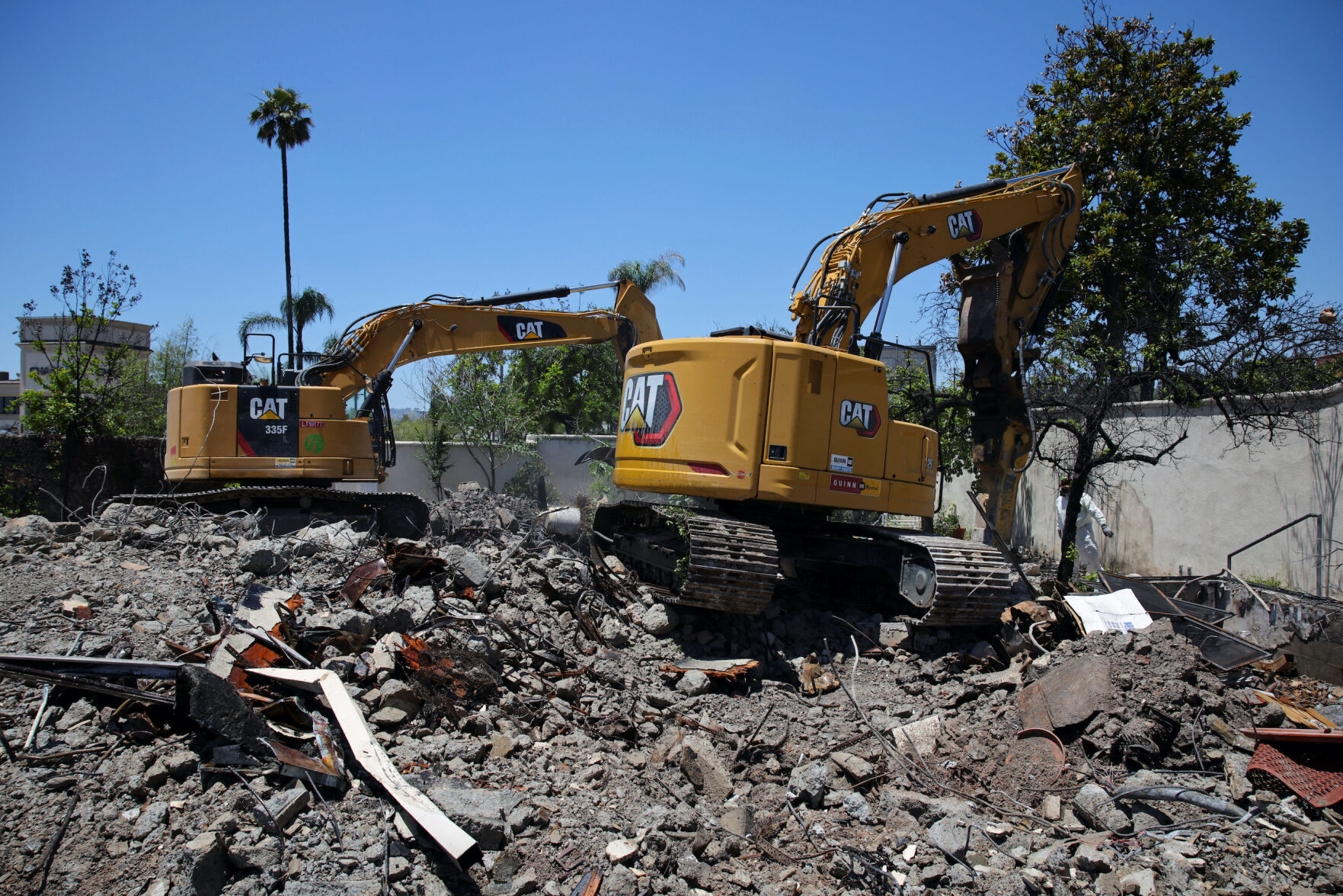
It's been a year of heartbreak and chronic worry since the most destructive wildfires in the Los Angeles area's history scorched neighborhoods and displaced tens of thousands of people. The two blazes that ignited during fierce winds on Jan. 7, 2025, killed 30 people and destroyed nearly 17,000 structures, including homes, schools, businesses and places of worship. Rebuilding will take years. People whose homes were left standing are still living with the hazards, including new trauma for those afraid of what still lurks inside. A crowdsourced data effort by Altadena residents has found many homes still standing remain unsafe.
Gov. Gavin Newsom is criticizing the United States for missing key United Nations climate talks, calling it doubling down on stupid. In an AP interview Tuesday at the U.N. climate talks in Brazil, Newsom warns that the U.S. risks losing economic power due to climate inaction. He highlights that while states like California are making efforts, the federal absence sends a negative message globally. Newsom points says even countries like Russia and Saudi Arabia are moving toward green energy. He emphasizes the urgency of addressing climate change, citing California's challenges with wildfires, droughts, and floods.