
For many, having a stroke is unimaginable. Existing medical conditions and daily habits become normal, without recognizing potential harm to oneself. Every year, nearly 800,000 people in the United States have a stroke.
As one ages, stroke risk also increases and it is considered a leading cause of long-term disability. Every 40 seconds, someone experiences a stroke and every 3 minutes and 14 seconds, someone dies from a stroke. Shockingly, 80% of strokes are preventable and recognizing risk factors and early symptoms can save a life.
On May 8, I spoke to Dr. Meghan Humbert, a neurologist and stroke director with Dignity Health. She is board certified in psychiatry and neurology and completed her neurology residency at the University of Florida. Dr. Humbert oversees the stroke program at Dignity Health, taking part in what happens the moment a patient lands at the hospital and speaking with community groups for risk factor and stroke awareness.
At a broad level, a stroke is a neurological disorder, a medical emergency exempt from a grace period, hoping for symptoms to get “better.” A stroke “... occurs when blood flow to the brain is interrupted, either due to a blockage or bleeding,” according to the World Health Organization. There are three types of strokes a patient could be prone to. An intracerebral hemorrhagic stroke, a transient ischaemic attack, or mini-stroke, and an ischaemic stroke which is the most common, affecting about 87% of people.
A transient ischaemic attack is a temporary disruption in blood and oxygen flow stemming from a small clot or blockage. Usually, the blood flow and oxygen can be restored within a couple minutes to a couple hours. Some common symptoms involve sudden numbness or weakness, speech deficit, vision changes, confusion, loss of balance or severe headache. Any of these symptoms alone could be a warning for a complete stroke occurring in the following 48 hours or the next one to two years.
Commonly occurring ischaemic strokes happen when an artery in the brain is blocked, caused by plaque buildup or a blood clot. Up to half of ischaemic strokes are caused by cardiovascular disease and artery disease. Inversely, patients who develop an ischemic stroke are at a higher risk of heart disease. Chronic illnesses are one of the main risk factors contributing to strokes, but areas of stroke prevention still prevail across all ages.
Recommended for you
Some of the main risk factors for strokes are high blood pressure, high cholesterol, obesity, diabetes, sickle cell disease and atrial fibrillation. Any genetic risk factors are dependent on age, sex and race and should always be discussed with a doctor. Out of all risk factors, high blood pressure is the leading one due to pressure of the blood in the arteries being too high. Arteries distribute oxygen in the blood all throughout the body, making circulation critical 24/7.
Lifestyle factors that contribute to strokes are cigarette or tobacco use, lack of exercise, excessive alcohol and a poor diet. Instead of consuming foods high in sodium, saturated fats, trans fats and cholesterol, having a Mediterranean diet is usually recommended. Healthy cooking methods like using extra virgin olive oil for omega-3s are favored by the brain. When it comes to exercise, training the mind and body are equally important. Apart from scheduling 30 minutes of cardiovascular activity three times a week, activities like puzzles, word games, cards, mahjong, or any multiplayer game can help. These activities are important in “keeping your brain sharp, especially for dementia patients …” according to Dr. Humbert.
The benefit to taking care of the body using these tips is not only stroke prevention, but opportunities for building community and looking out for one another. Apart from playing games in group settings, cardiovascular exercises including walking, running, bicycling and swimming can be done alongside others. Stroke risk is known to increase in individuals 65 and up, but considering the wide range of physical and mental engagements accessible, there are still ways to prevent detrimental health outcomes.
Dr. Humbert emphasized the importance of catching symptoms early using the acronym, F.A.S.T., which stands for facial drooping, arm weakness, speech difficulty and time (prompting a 911 call). Whether someone experiences one or all three of these symptoms, every moment counts and a 911 call should be made for immediate evaluation by EMS services.
To re-emphasize, reduce stroke risk by monitoring your health conditions at home, eat for brain health, stay active, quit smoking and limit alcohol. Do not risk repeated temporary satisfaction in diet and lifestyle factors and instead, place yourself in the driver’s seat of your health. Your care team is there to support you too. For further health topics, reach out to giselle@smdailyjournal.com.
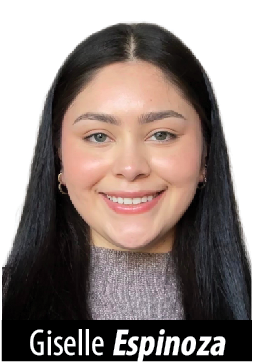
Giselle Espinoza is a longtime San Mateo resident with a bachelor’s degree in communications, working in health care administration. She brings a Gen Z perspective and slight coffee addiction.









(0) comments
Welcome to the discussion.
Log In
Keep the discussion civilized. Absolutely NO personal attacks or insults directed toward writers, nor others who make comments.
Keep it clean. Please avoid obscene, vulgar, lewd, racist or sexually-oriented language.
Don't threaten. Threats of harming another person will not be tolerated.
Be truthful. Don't knowingly lie about anyone or anything.
Be proactive. Use the 'Report' link on each comment to let us know of abusive posts.
PLEASE TURN OFF YOUR CAPS LOCK.
Anyone violating these rules will be issued a warning. After the warning, comment privileges can be revoked.