

For many, having a stroke is unimaginable. Existing medical conditions and daily habits become normal, without recognizing potential harm to o…
For many, having a stroke is unimaginable. Existing medical conditions and daily habits become normal, without recognizing potential harm to o…

The new year presents a fresh opportunity to improve how your body creates and uses energy, the foundation of sustained vitality, balanced wei…

Meals and snacks with "GLP-1 Friendly" labels on the packaging are becoming more common as a growing number of Americans try obesity drugs like Wegovy and Zepbound to lose weight. Nestle and Conagra have put the labels on some of their frozen meals. Food chains like Smoothie King and Chipotle are introducing menu items targeting GLP-1 users. Dietitians say the nutritional needs of people taking the medications aren't that different from the general population's. They need to get enough protein to maintain muscle mass as they lose weight. Fiber is important to prevent constipation. Dietitians recommend reading food labels carefully. Some products marketed to GLP-1 users contain high amounts of saturated fat and sodium.
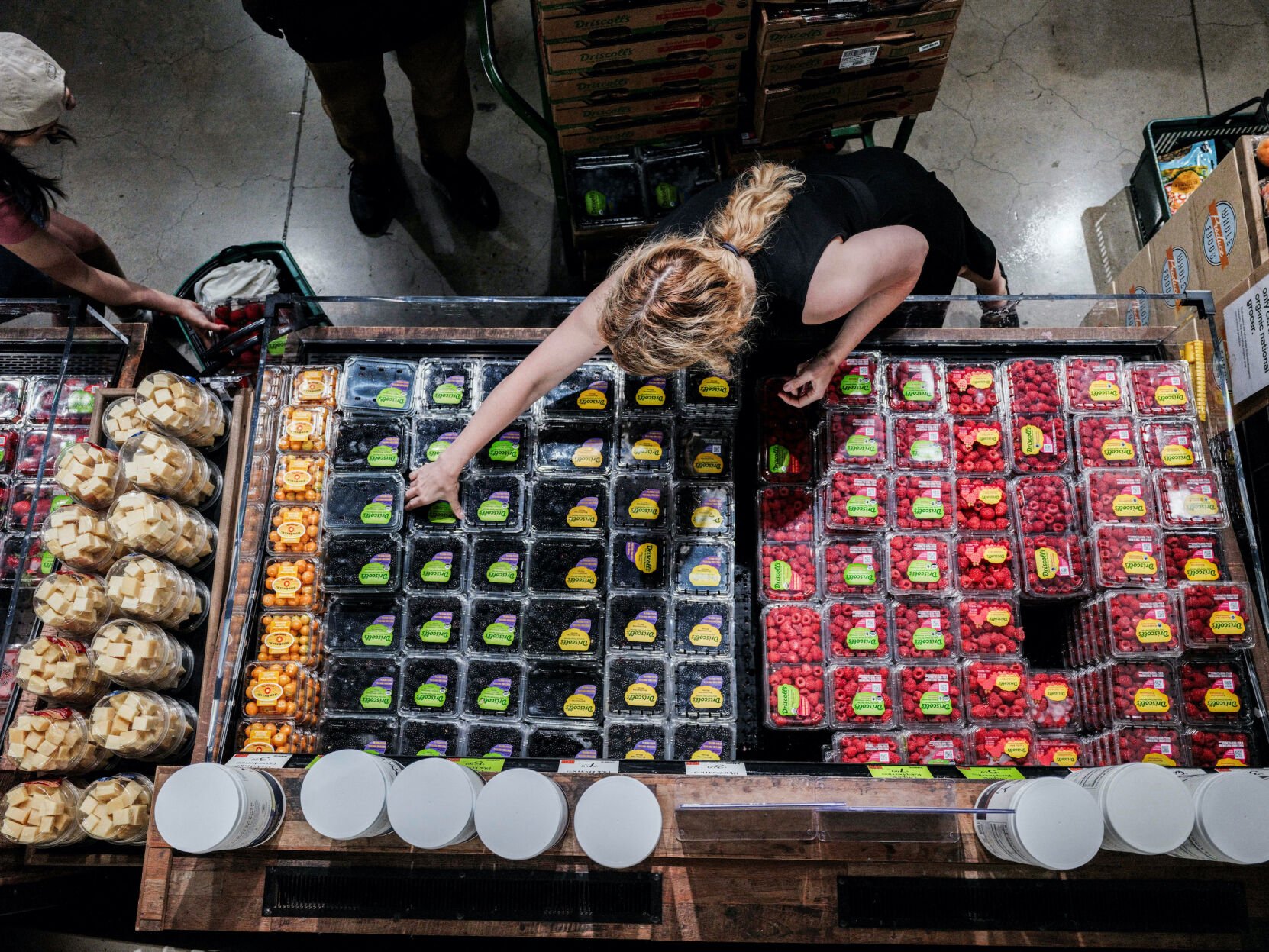
New guidelines for healthy eating say Americans should eat more whole foods and protein, fewer highly processed foods and less added sugar. Federal health officials released the 2025-30 U.S. Dietary Guidelines for Americans on Wednesday. The guidelines are required by law to be updated every five years. They offer advice for healthy eating and provide the foundation for federal nutrition programs and policies. The guidance offers new advice to avoid prepared or packaged highly processed foods, to limit saturated fats and added sugars and to eat more protein. Research shows most Americans don't follow the dietary guidance.
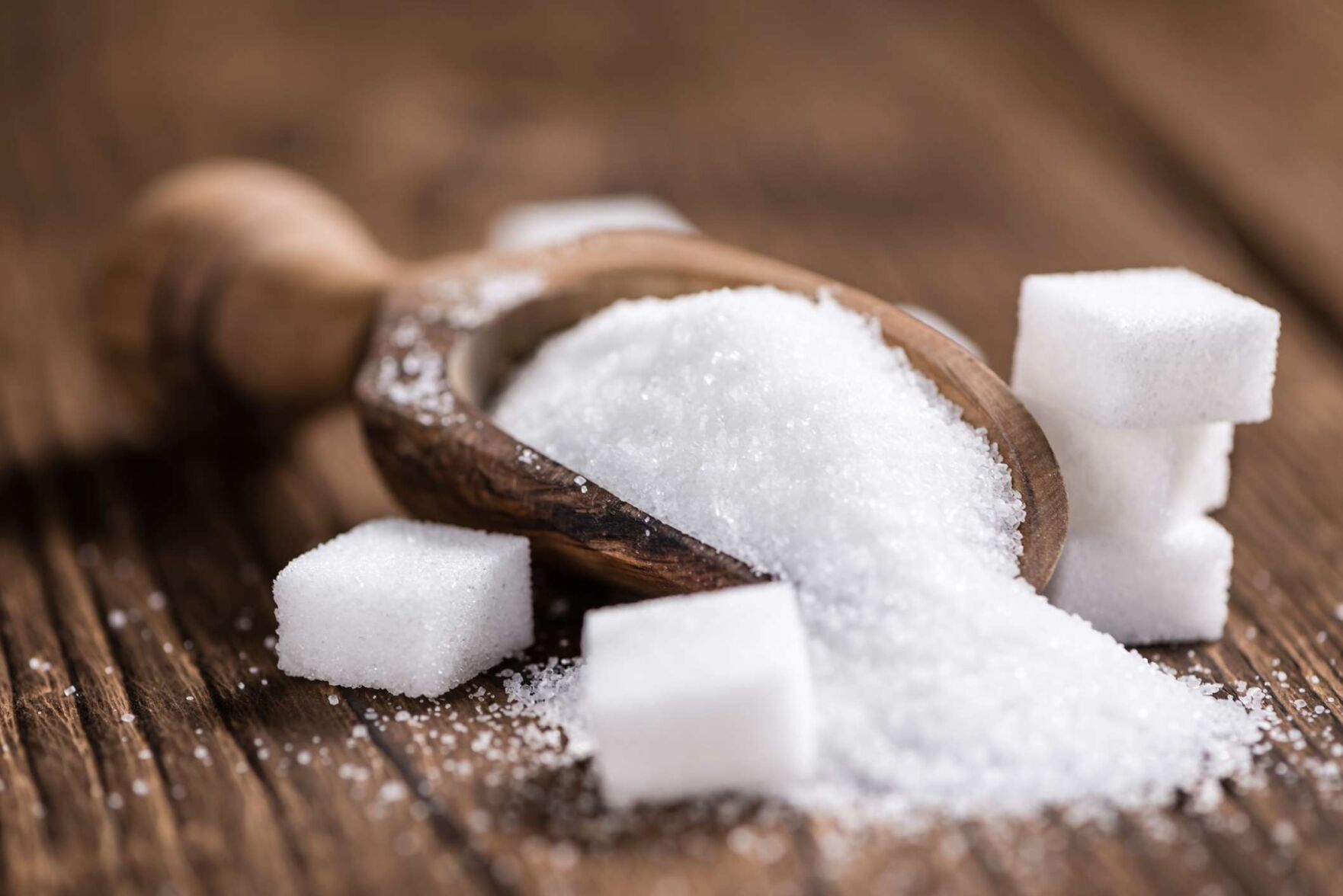
Many consumers feel pride in avoiding the glazed pastries in the supermarket and instead opting for “all natural” granola that comes packed wi…

Seed oils have been the focus of fiery critics from internet influencers to high-profile politicians like HHS Secretary Robert F. Kennedy Jr. They claim that these oils pressed from the seeds of certain plants are toxic to human health and fueling high rates of chronic diseases like obesity and diabetes. Kennedy has called for a return to the use of fats such as beef tallow for frying. Such claims have exasperated nutrition scientists, who say decades of research have confirmed the health benefits of consuming such oils, especially when compared to sources such as butter or lard.
Whether your health goals relate to losing weight, maintaining a healthy weight or managing blood sugar levels, finding opportunities to ditch…

Ultraprocessed foods make up the bulk of the U.S. food supply and most Americans don't go a day without eating some. The foods include sugary cereals, frozen dinners, soda, potato chips and ice cream. They've been linked to a host of negative health effects from obesity and diabetes to heart disease, depression, dementia and early death. But most research has found links, not proof, for those health consequences, making it difficult to target specific foods for reform or regulation. Food manufacturers argue that processing boosts food safety and supplies and offers a cheap, convenient way to provide a diverse and nutritious diet.

For the first time, a large experiment suggests that trimming dietary fat and eating more fruits and vegetables may lower a woman's risk of dy…


