

Featured
What should artificial intelligence never replace? A task force in the San Mateo Union High School District weighed this question at a recent …
What should artificial intelligence never replace? A task force in the San Mateo Union High School District weighed this question at a recent …

Ever since she was a child, Christine Antonie wanted to follow in her parents’ footsteps and major in computer science in college. With their …

For the first time in more than a decade, a leading pediatricians group has put out new guidance about recess, saying it's crucial for good health and good grades and should be part of the school day for students of all ages. The updated policy statement by the American Academy of Pediatrics comes after years of shrinking breaks between lessons and worsening children's health. The group cites the latest research on why these breaks are essential for kids' academic success and mental, physical, social and emotional growth. The guidance was published Monday in the journal Pediatrics.

Students in the Sequoia Union High School District are expected to stay off their phones during instructional time, but enforcement of the pol…
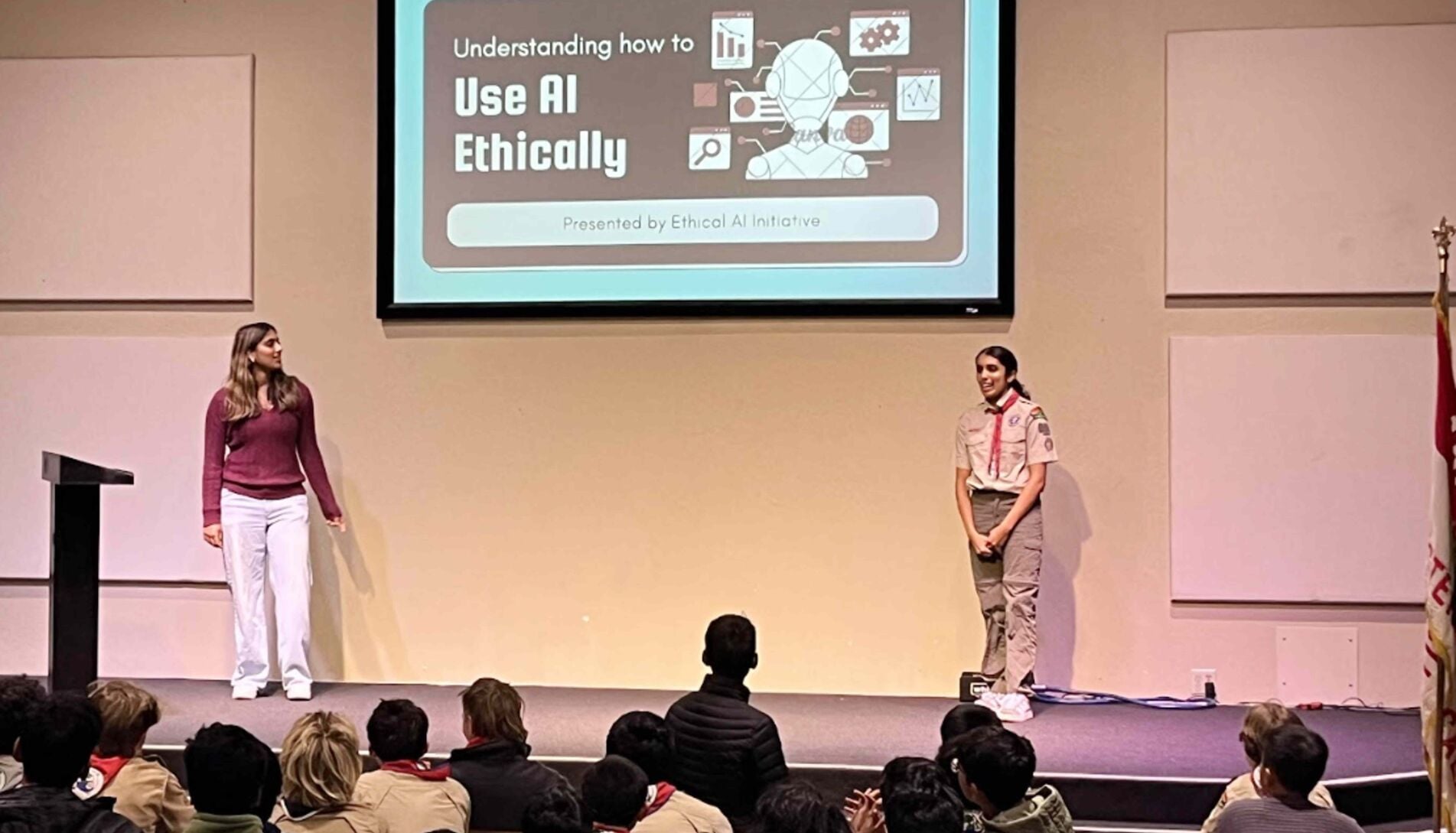
Two Aragon High School students are working to increase literacy among young kids and senior citizens on how to use artificial intelligence, u…

A growing number of American families rethink packed schedules as children show a clear preference for unstructured play. The Harris Poll surv…
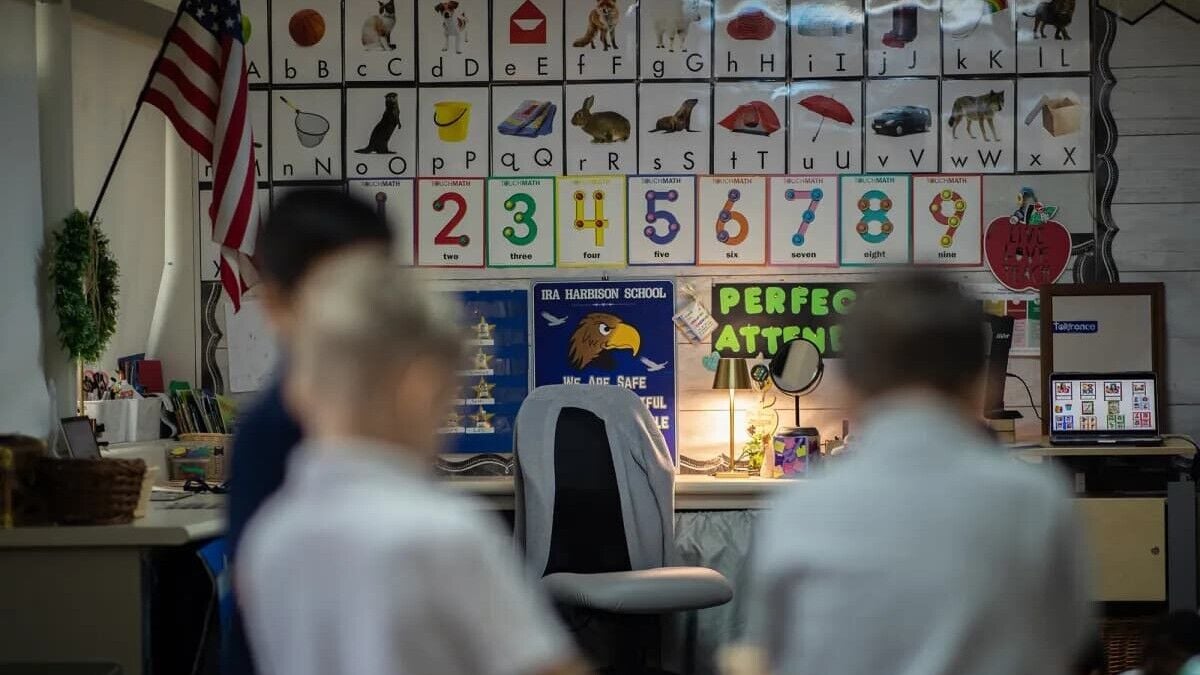
California is considering a new bill to change how math is taught in schools. Senate Bill 1067 would require screening for basic math skills in kindergartners, first-, and second-graders. The goal is to help students who are behind catch up to their peers. Amy Cooper from EdVoice says early math skills predict later success in school. California students have struggled in math, with only 37% performing at grade level last year. The bill has support from some educators but faces opposition from groups like the California Teachers Association, who argue existing frameworks are sufficient.
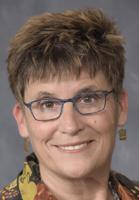
Nancy Magee, who served as San Mateo County superintendent of schools from 2018-26, died just days before her 67th birthday, her former office…


