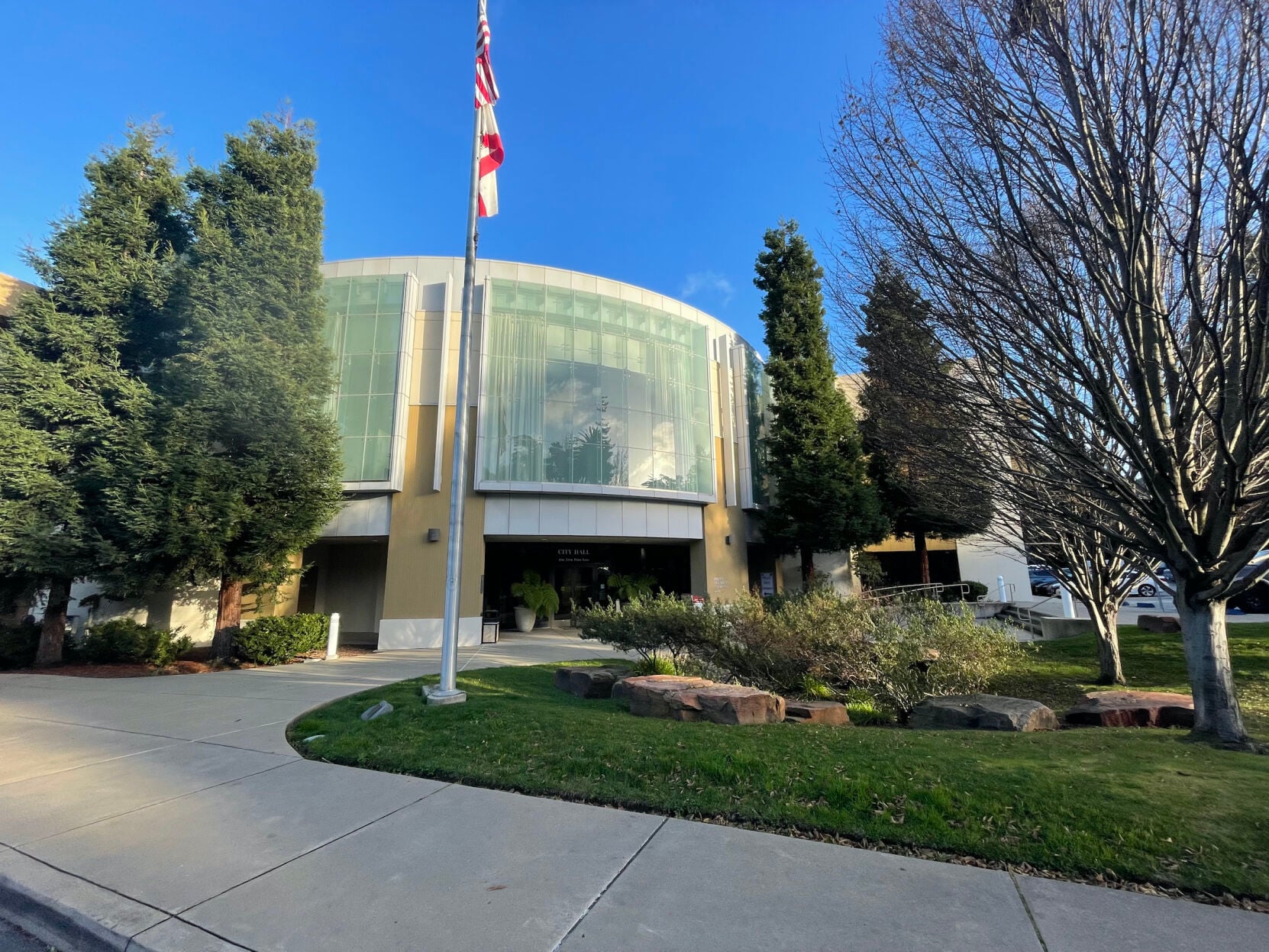
A draft environmental impact report conducted on a comprehensive plan to guideline growth of a largely industrial area of San Carlos showed mi…
In South San Francisco’s Old Town neighborhood, families make frequent conversation with each other at school events and parks, musing about t…
Temperatures across the San Francisco Bay Area are set to rise for a longer stretch of warm weather begins midweek, forecasters said.
El Nino warps weather worldwide. Meteorologists say the natural El Nino cycle is both adding to and feeling the heat of a warming world. A new study says a shift from a rare three‑year La Nina to a strong El Nino recently helped trap extra heat in the climate system. Study authors say between warming from greenhouse gases and that La Nina to El Nino change, it explains three-quarters of Earth's energy imbalance, which leads to extra heat. Warmer waters are also causing NOAA to shift how it calculates and labels this cycle, which likely means more La Ninas and fewer El Ninos.
A coalition of health and environmental groups is suing the Environmental Protection Agency, challenging the rescinding of a scientific finding that has been the central basis for U.S. action to regulate greenhouse gas emissions and fight climate change. A rule finalized by the EPA rescinded a 2009 government declaration known as the endangerment finding that determined that carbon dioxide and other greenhouse gases threaten public health and welfare. The Obama-era finding is the legal underpinning of nearly all climate regulations under the Clean Air Act for motor vehicles, power plants and other pollution sources that are heating the planet. The lawsuit filed Wednesday calls the EPA's action unlawful and says the finding supported common sense safeguards to cut climate pollution.
The Environmental Protection Agency has revoked a key scientific finding that supported U.S. regulations on greenhouse gas emissions. This decision rescinds a 2009 declaration that carbon dioxide and other gases endanger public health. EPA Administrator Lee Zeldin announced the move Thursday, calling it a major deregulatory action. Critics argue it undermines efforts to combat climate change and could lead to more pollution. Environmental groups are certain to challenge the action in court. The EPA also proposes delaying a Biden-era rule on vehicle emissions, which could impact the push for electric vehicles.
California is updating CalEnviroScreen, the tool used to allocate cleanup funds to polluted communities. The update adds indicators like diabetes prevalence and small air toxic sites. Officials say they're listening more to communities, but critics argue the tool still misses some areas. The update involves collaboration with eight community organizations. Officials plan to gather feedback through public meetings this month and expect a final version in the summer. Critics want more indicators and question the tool's design. Advocates emphasize the need for the tool to drive real change, not just funding.
The roughly 40 million Americans who get drinking water from wells are at particular risk when harmful forever chemicals contaminate the supply. Odorless and colorless, the chemicals known collectively as PFAS are linked to increased risk of certain cancers. While water from a utility will be forced to meet federal PFAS limits, those limits won't apply to private wells. And well owners are often the last to learn about contamination. At least 20 states don't test private wells beyond areas where PFAS problems are suspected. When a well is tainted, it can take homeowners years to find a new source of clean water.