
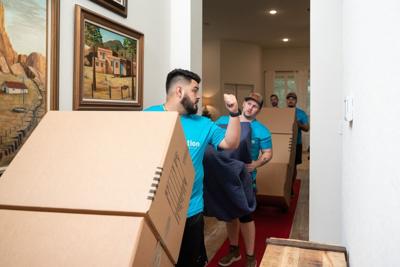
Moving to a new location can be an exciting adventure, but it also involves a lot of planning and preparation. Packing is one of the most crucial aspects of a successful move, especially when you're relocating a long distance away. Properly packing your belongings ensures their safety during transportation and makes the unpacking process more manageable. In this article, we'll explore valuable tips and strategies to help you how to pack for a long-distance move.
Assessing Your Needs
Before you start packing, it's essential to assess your needs based on the size of your move, the type of belongings you have, and any special requirements. By understanding your requirements, you can plan the packing process accordingly. If you have a larger household or a significant number of possessions, you may need additional packing supplies and more time to complete the process.
Creating a Packing Plan
A well-structured packing plan is vital for a smooth and organized move. Start by making a timeline that outlines the tasks you need to complete before moving day. This timeline will help you stay on track and avoid last-minute rushing.
Additionally, gather all the necessary packing supplies, such as sturdy boxes, bubble wrap, packing paper, tape, and markers. Having everything you need at hand will save time and reduce stress during the packing process. And if you find the packing process difficult you will need professional packing services.
Sorting and Decluttering
Packing provides an excellent opportunity to sort through your belongings and declutter. As you go through each room, sort your items into categories: keep, donate, sell, or discard. This process helps you streamline your possessions and reduces the number of items you need to pack. Consider donating or selling items that you no longer need or use. By decluttering, you'll make your move more cost-effective and create a fresh start in your new home.
Packing Room by Room
To ensure a systematic approach, pack one room at a time. Start with areas you use less frequently, such as guest rooms or storage spaces. When packing, wrap delicate items individually with packing paper or bubble wrap.
Secure them with tape to prevent damage during transit. Use sturdy boxes and fill any empty spaces with packing material to prevent shifting. Label each box with the room it belongs to and a brief description of its contents.
In the kitchen, pack fragile dishes vertically, using packing paper to separate each piece. Wrap glassware individually, and consider using dividers for added protection. Use special boxes for delicate items such as wine glasses or fine china. In the bedroom, remove all bedding and pack it in vacuum-sealed bags to save space. Disassemble furniture, label the parts and store hardware in labeled bags.
Packing Fragile and Valuable Items
Fragile and valuable items require extra care and attention during packing. Wrap delicate items in bubble wrap or packing paper, securing them with tape. Place these items in boxes labeled as fragile and mark them with arrows indicating the upright position. For valuable possessions like jewelry, important documents, or electronic devices, consider packing them separately and keeping them with you during the move to ensure their safety.
Labeling and Inventory
Labeling your boxes is crucial for a smooth unpacking process. Write the contents and destination room on each box using a marker. This labeling system will help movers or yourself identify where each box should go when unloading. Additionally, create an inventory list of all the boxes, including a brief description of their contents. This list will help you keep track of your belongings and ensure nothing gets lost during the move.
Furniture and Appliance Preparation
Recommended for you
Before packing furniture, disassemble it whenever possible. Keep the hardware and instructions in labeled bags for easy reassembly. Protect the furniture's surfaces with moving blankets or bubble wrap to prevent scratches or damage. For appliances, clean them thoroughly and disconnect any water or gas connections. Secure any loose parts and consider using their original packaging if available. Wrap appliances with protective materials and label them accordingly.
Moving and Transportation
When it comes to moving and transportation, you have several options. Hiring professional movers can provide a convenient and stress-free experience. Research reputable moving companies, obtain quotes, and book their services well in advance. If you prefer a DIY approach, consider renting a truck that suits your needs. Ensure you have the necessary driving permits and insurance coverage. Alternatively, for long-distance moves, you can explore shipping options for your belongings.
Unpacking at Your New Home
Upon arrival at your new home, start by unpacking the essentials box first. This box should contain items you'll need immediately, such as toiletries, bed linens, and basic kitchen supplies. As you unpack, focus on one room at a time, placing items in their designated locations. Organize your new space efficiently and consider using drawer dividers or storage bins to maximize storage capacity. Take your time and enjoy the process of setting up your new home.
What To Know Before Packing For a Long-Distance Move
Packing for a long-distance move may seem overwhelming, but with proper planning and organization, it can be a smooth and efficient process. By assessing your needs, creating a packing plan, sorting and decluttering, packing room by room, and taking special care of fragile and valuable items, you'll ensure a successful move. Remember to label your boxes, create an inventory list, and prepare furniture and appliances properly. Finally, consider professional movers or explore DIY options for transportation. Happy moving!
How far in advance should I start packing for a long-distance move?
It's recommended to start packing at least six to eight weeks before your move to allow ample time for proper organization and packing.
Can I use regular cardboard boxes for packing fragile items?
While regular cardboard boxes can be used, it's better to use sturdy, double-walled boxes or specialized boxes designed for fragile items for better protection.
Should I pack my valuable jewelry with other items or keep it with me during the move?
It's advisable to keep valuable jewelry with you during the move to minimize the risk of loss or damage. Use a small, secure container to transport it safely.
How do I find reputable professional movers for my long-distance move?
Research local moving companies read customer reviews, and ask for recommendations from friends or family who have recently moved. Obtain multiple quotes and compare their services and prices.
What should I do with items I no longer want during the sorting process?
Consider donating usable items to local charities or selling them through online platforms or garage sales. Discard any damaged or non-functional items responsibly.


(0) comments
Welcome to the discussion.
Log In
Keep the discussion civilized. Absolutely NO personal attacks or insults directed toward writers, nor others who make comments.
Keep it clean. Please avoid obscene, vulgar, lewd, racist or sexually-oriented language.
Don't threaten. Threats of harming another person will not be tolerated.
Be truthful. Don't knowingly lie about anyone or anything.
Be proactive. Use the 'Report' link on each comment to let us know of abusive posts.
PLEASE TURN OFF YOUR CAPS LOCK.
Anyone violating these rules will be issued a warning. After the warning, comment privileges can be revoked.