Healthy hair rarely comes from shampoo alone. Daily washing removes surface dirt, but it does little to repair dryness, breakage, or long-term damage caused by heat, color, sun exposure, and environmental stress. That is why many modern routines now include a hair mask and other hair products designed to deliver deeper nourishment and targeted repair. When used correctly, deep-conditioning treatments can transform hair texture, improve manageability, and support long-term hair health without complicating everyday care.
A hair mask is not a luxury item reserved for occasional self-care days. For many hair types, it plays a practical role in maintaining strength, moisture balance, and elasticity. Understanding how to choose the right mask, and how to use it properly, makes the difference between temporary softness and lasting results.
What Makes a Hair Mask Different From Regular Conditioner
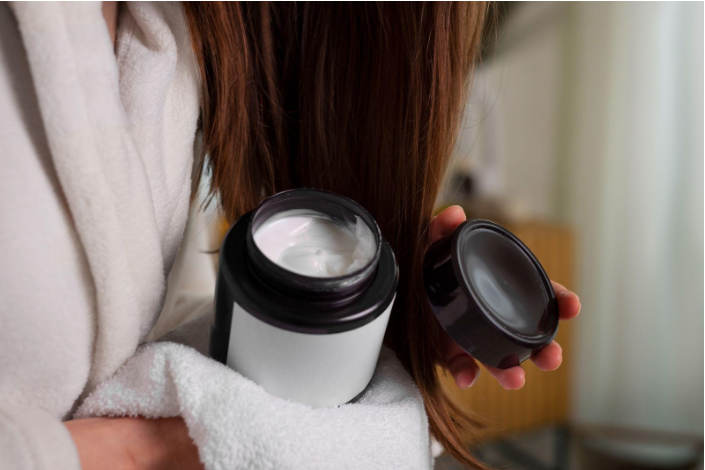
Although hair masks and conditioners may seem similar, they serve different purposes. Conditioners are designed for frequent use and focus on smoothing the outer layer of the hair after cleansing. Hair masks, by contrast, are formulated with higher concentrations of conditioning agents and are meant to sit on the hair longer.
This extended contact time allows ingredients to penetrate more deeply into the hair shaft. As a result, masks are better suited for addressing issues such as dryness, brittleness, frizz, or damage from chemical treatments. They work best when used consistently as part of a routine rather than as a one-off solution.
Identifying Your Hair’s Primary Needs
Choosing the right hair mask starts with understanding what your hair actually needs. Not all dryness is the same, and not all damage requires the same response. Hair texture, density, porosity, and styling habits all influence which formulas will be most effective.
Fine hair often benefits from lightweight masks that hydrate without weighing strands down. Thicker or textured hair typically responds well to richer formulas that provide slip and moisture retention. Color-treated or chemically processed hair may need masks that focus on strengthening and restoring elasticity.
Environmental factors matter as well. Hair exposed regularly to sun, wind, or dry air may require more frequent deep conditioning than hair kept mostly indoors.
Reading Ingredients With Purpose
Hair mask ingredients can vary widely, and understanding their function helps avoid trial-and-error frustration. Moisturizing ingredients such as plant oils and butters help soften hair and reduce dryness. Proteins support structure and can help strengthen weakened strands when used appropriately.
Balance is important. Too much protein can make hair feel stiff, while excessive heavy oils may leave hair flat or greasy. A well-matched hair mask complements your hair’s current condition rather than overwhelming it.
Many dermatologists emphasize that maintaining moisture balance and minimizing structural stress are central to hair health. Harvard Health Publishing has noted that reducing harsh treatments and supporting the hair shaft through gentle care helps preserve strength and flexibility over time. Deep-conditioning treatments align with this guidance by reinforcing hair without aggressive intervention.
How Often Should You Use a Hair Mask?
Frequency depends on hair type and lifestyle. For some people, using a hair mask once a week is sufficient. Others with dry, curly, or heavily processed hair may benefit from twice-weekly treatments.
Overuse can be counterproductive, especially for fine hair. Hair that feels limp or coated may need less frequent masking or a lighter formula. Paying attention to how hair responds over time is more effective than following rigid schedules.
Consistency matters more than intensity. Regular, moderate use tends to produce better results than infrequent heavy treatments.
Applying a Hair Mask the Right Way
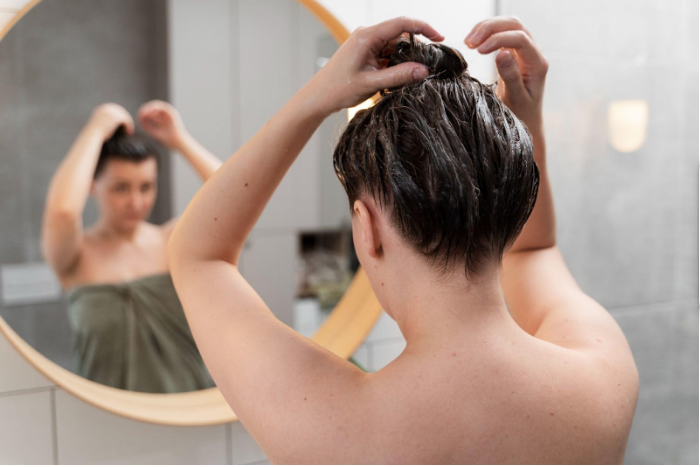
Technique plays a major role in how effective a hair mask is. Applying a mask to soaking-wet hair can dilute the formula, while applying it to towel-dried hair allows ingredients to adhere more effectively. Focusing application on mid-lengths and ends helps target the areas most prone to damage.
Gentle detangling before or during application ensures even distribution. Leaving the mask on for the recommended time allows ingredients to work as intended, but leaving it on longer than directed does not necessarily improve results.
Rinsing thoroughly is equally important. Residue buildup can weigh hair down and dull shine, undermining the benefits of the treatment.
Integrating Hair Masks Into a Simple Routine
One of the most common misconceptions about hair masks is that they complicate routines. In reality, they often simplify care by reducing the need for multiple styling products. Well-conditioned hair is easier to detangle, style, and maintain, which can shorten daily routines.
Using a hair mask regularly can also reduce reliance on heat styling. Hair that is properly hydrated and supported tends to hold its shape better, whether worn straight, wavy, or curly.
This simplicity aligns with modern approaches to personal care, where fewer, more effective steps are preferred over elaborate regimens.
Adjusting Treatments for Seasonal Changes
Hair needs change throughout the year. Cold weather, indoor heating, and low humidity can increase dryness during winter months, making hair masks especially valuable. In warmer seasons, lighter treatments may be sufficient, particularly if hair is exposed to humidity or frequent washing.
Being flexible with product choice and frequency helps hair adapt to environmental shifts without unnecessary stress. Seasonal adjustments are a practical way to maintain hair health without overcorrecting.
Long-Term Benefits of Deep Conditioning
The benefits of using a hair mask extend beyond immediate softness. Over time, deep conditioning helps reduce breakage, improve elasticity, and maintain a smoother cuticle. These changes contribute to hair that looks healthier and behaves more predictably.
Rather than masking damage temporarily, consistent deep conditioning supports the hair’s natural structure. This approach emphasizes prevention and maintenance over repair, which is more sustainable in the long run.
Choosing Care Over Quick Fixes
Hair masks are most effective when viewed as part of ongoing care rather than instant solutions. Healthy hair reflects habits built over time, including gentle cleansing, mindful styling, and regular conditioning.
When chosen thoughtfully and used correctly, deep-conditioning treatments offer a reliable way to support hair health without adding complexity. They represent a shift toward intentional, informed care that prioritizes long-term results.
For readers curious about how haircare principles are applied in everyday professional settings, this local story about a young hairstylist opening her own salon in San Carlos offers a real-world perspective on building healthy hair routines.



(0) comments
Welcome to the discussion.
Log In
Keep the discussion civilized. Absolutely NO personal attacks or insults directed toward writers, nor others who make comments.
Keep it clean. Please avoid obscene, vulgar, lewd, racist or sexually-oriented language.
Don't threaten. Threats of harming another person will not be tolerated.
Be truthful. Don't knowingly lie about anyone or anything.
Be proactive. Use the 'Report' link on each comment to let us know of abusive posts.
PLEASE TURN OFF YOUR CAPS LOCK.
Anyone violating these rules will be issued a warning. After the warning, comment privileges can be revoked.