

Featured
Redwood City will study a proposal to expand Stanford Medicine’s campus to include a cancer center, which would include a large scale research…
Redwood City will study a proposal to expand Stanford Medicine’s campus to include a cancer center, which would include a large scale research…
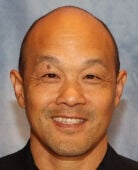
Michael Ku was named the new fire chief for the city of San Bruno, after a long career serving the department.

Health care workers at Kaiser Permanente in Northern California and Hawaii voted to ratify a new contract last week, ending a long-running lab…

A new KFF survey shows many Americans who had Affordable Care Act marketplace health insurance last year are struggling with high health costs. The findings come three months after the expiration of enhanced tax credits that had offset most enrollees' monthly premiums. Thursday's poll of more than 1,000 of last year's ACA enrollees finds that more than half of those who re-enrolled are looking for ways to cut their spending. This includes cutting back on food and other household basics to afford health costs. One enrollee, 48-year-old Priscilla Brown in Florida, says she sometimes doesn't take her medicine for her Type 2 diabetes so that it will last longer. The poll also finds that 1 in 10 of last year's ACA enrollees dropped health insurance entirely.

In a rare bipartisan effort for a deeply divided Congress, the Senate has passed a broad bill to make U.S. housing more accessible and affordable. The bill passed on Thursday would reduce regulations, regulate corporate investors and expand how housing dollars can be used to build affordable homes and rentals. It now heads back to the House, which passed a separate version earlier this year. It is unclear whether President Donald Trump would sign it after declaring last weekend that he won't sign any new measures unless Congress passes legislation that would require voters to show proof of citizenship.

Planned Parenthood Mar Monte is set to receive another $500,000 in emergency funds by the Sequoia Healthcare District, bringing a total of $1 …

Despite the loss of federal subsidies that lowered costs for millions, California’s private health insurance marketplace held nearly steady th…

A new dental clinic improving access to dental care for residents who are uninsured or underinsured opened in Redwood City through a collabora…

President Donald Trump has said the U.S. is sending a hospital ship to Greenland because people there are not getting care, but the claim faces pushback. He said in a Truth Social post Saturday that the ship is already on the way though the two U.S. ships appeared to be docking in Alabama. The Pentagon has directed questions regarding the hospital ships to the White House, which did not immediately respond. The leaders of Greenland and Denmark have defended their heath care system in response to Trump's allegations. They point out that Greenland offers free public health care, unlike the U.S.

An estimated 31,000 registered nurses and other front-line Kaiser Permanente health care workers will return to work on Tuesday after a four-week strike in California and Hawaii to demand better wages and staffing. The union said in a statement Monday that "significant movement at the bargaining table" prompted an end to the walkout. There are no details about what progress was made during negotiations or what a potential deal might look like. Kaiser Permanente officials didn't immediately comment on the union's announcement.


