
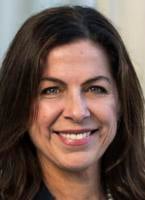
Incumbent Assemblymember Diane Papan, D-San Mateo, is being challenged in the race for her District 21 seat by Republican Jabra Muhawieh.
From
To

After hours of back-and-forth debate and public comment Tuesday night, the East Palo Alto City Council decided to uphold its current contract …

Trump urges extending foreign surveillance program as some lawmakers push for US privacy protections
There's been a holdup on Capitol Hill in advancing the renewal of a program that lets U.S. spy agencies pore over foreigners' calls, texts and emails. House Republican leaders hoped to advance the legislation on Wednesday, but an initial procedural step has been delayed. Rank-and-file members have pushed back despite a pressure campaign that included a trip to the White House and direct involvement from CIA Director John Ratcliffe. A key part of the Foreign Intelligence Surveillance Act allows American spy agencies to collect and analyze overseas communications without a warrant. The program expires Monday. Critics want changes to safeguard Americans' communications.

Featured
Amidst ongoing, national conversations around public surveillance and data safety, a majority of Burlingame councilmembers said they’d be in s…

Featured
Days after a cybersecurity breach that was “widely impacting city services,” the city of Foster City has moved its network offline, an action …

Featured
California Gov. Gavin Newsom says there's no imminent threat to the state from Iran. ABC News says the FBI warned California that Iran had aspired to send drones to the West Coast in retaliation for war. The FBI later released text of the alert, which noted that the information was based on "unverified information." The White House now says, "No such threat from Iran to our homeland exists." Newsom says California and various agencies plan for worst-case scenarios. Police in Los Angeles and San Francisco say they are monitoring world events for any risks.

Community safety will always require trust, cooperation, and judgment. AI simply adds sharper awareness to that foundation. And sometimes, seeing a risk a little earlier makes all the difference.

Featured
Half Moon Bay will be bringing a conversation about the city’s automated license plate readers back to the City Council after the community ra…

San Mateo police officers responded to the 800 block of Highland Avenue on a suspicious circumstance report involving possible mail theft Wedn…

Social media companies have revoked access to about 4.7 million accounts identified as belonging to children in Australia. This follows the country's ban on platform use by those under 16. Communications Minister Anika Wells announced the figures on Friday, highlighting the success of the law enacted in December. The ban has sparked debates about technology use, privacy, and child safety. Platforms like Facebook, YouTube and X face hefty fines if they fail to comply. Officials say the measure is encouraging, though some young users have found ways to bypass restrictions. Other countries, such as Denmark, are considering similar bans.


