

Featured
Artist and science illustrator Jane Kim is cheering on her feathered friends in the latest Andra Norris Gallery exhibition, “Yay Birds!”
Artist and science illustrator Jane Kim is cheering on her feathered friends in the latest Andra Norris Gallery exhibition, “Yay Birds!”

WEST ORANGE, N.J. — Along the long road from American icon to endangered species and back again, the bald eagle — the national bird of the Uni…
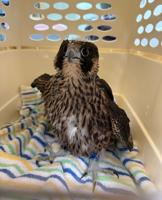
Two baby peregrine falcons that fell from their nests in San Jose and San Mateo County were taken to animal welfare specialists for medical ex…

Spring begins kitten season, and kittens cradled in the hands of volunteers, wide-eyed and irresistibly cute, are currently being fed from syr…

After conceding an early goal, the Sequoia girls’ soccer team broke out of a late-season scoring slump to beat Los Altos in the first round of…

Under cover of darkness a year ago, someone slipped into the Central Park Zoo, cut a hole in a cage and freed a majestic Eurasian eagle-owl named Flaco. The owl has become one of New York City's most beloved characters since then. By day he lounges in Manhattan's courtyards and parks and perches on fire escapes. He spends his nights hooting atop water towers and preying on the city's abundant rats. Some experts feared he wouldn't be able to hunt after a lifetime in captivity To their surprise, Flaco is thriving. But as his second year in the spotlight begins, the crime that led to his freedom remains unsolved.

Stow Lake in Golden Gate Park has been renamed Blue Heron Lake, the San Francisco Recreation and Park Commission decided Thursday.
On Dec. 28, 1973, President Richard Nixon signed the Endangered Species Act. The powerful law charged the federal government with saving every endangered plant and animal in America. It enjoyed nearly unanimous bipartisan support but soon became controversial. The United States' own national animals, the bison and the bald eagle, had been driven to near extinction. When they started to recover, Americans saw the Endangered Species Act as a success. But when animals that people had never heard of began interfering with development, it was a different story. Whether the government should try to save all species from extinction, or if not, where to draw the line, became a point of conflict that has never been fully resolved.


