Scientists say a record-smashing March heat wave in the U.S. Southwest shows climate change is already driving more dangerous weather extremes. World Weather Attribution said Friday that the heat would have been virtually impossible without human-caused warming. Experts say extremes now hit more often, in odd seasons, and in unusual places. NOAA data shows a much larger share of the country sees extreme conditions than decades ago. An analysis by The Associated Press finds the U.S. breaks far more heat records than in past decades. One former FEMA official said disasters now fall outside old planning models and noted insurers pulling back.
By SETH BORENSTEIN, SARAH BRUMFIELD and JOHN SEEWER Associated Press
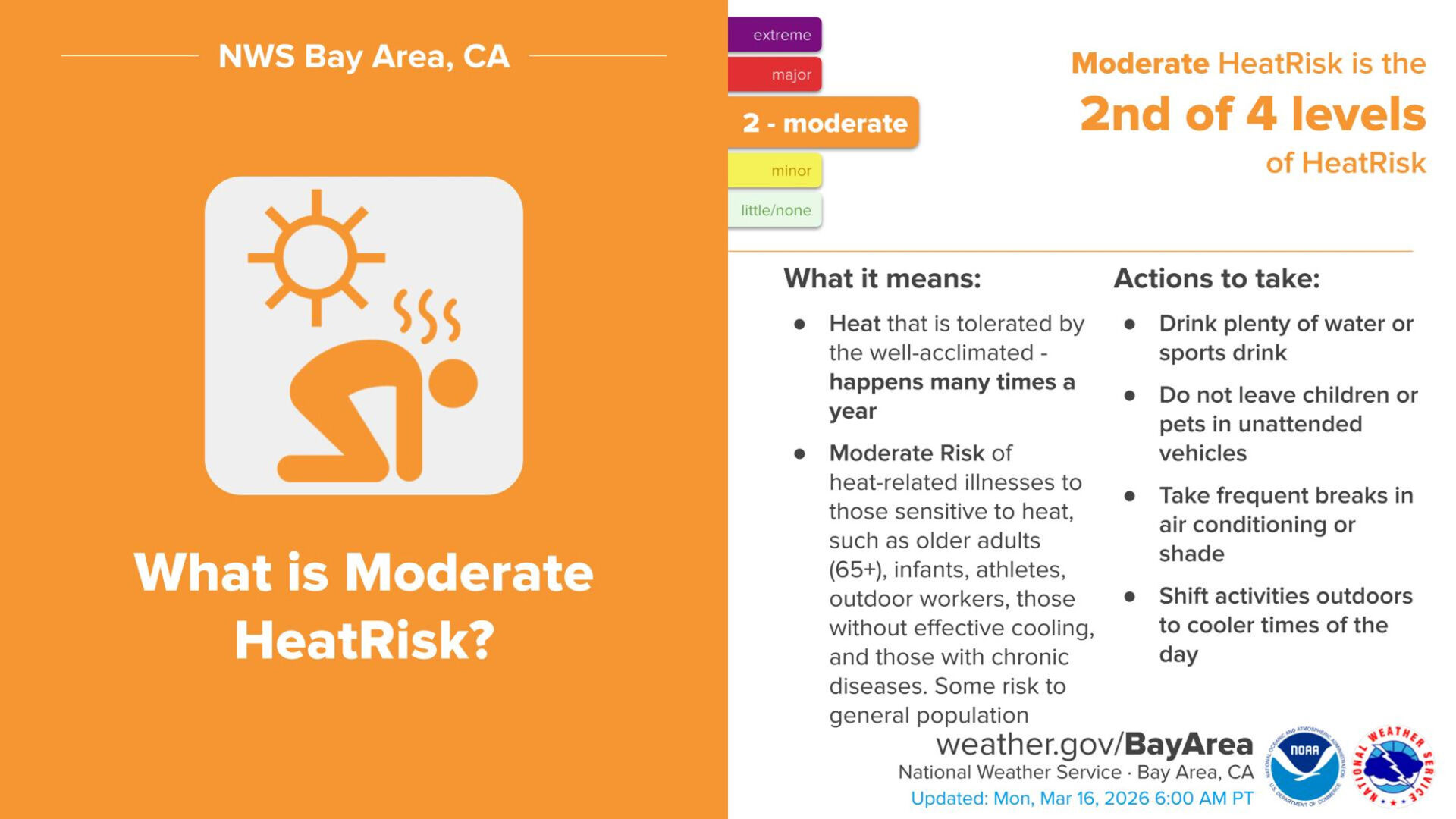
Extreme weather conditions from coast to coast put more than half the U.S. in the path of rough conditions. Storms across the nation's eastern half forced airlines to cancel more than 3,000 flights nationwide Monday. Many schools closed early in the mid-Atlantic states, where high winds and tornadoes were in the forecast. Blizzards buried parts of Michigan, Wisconsin and Minnesota while torrential rains flooded homes and washed out roads in Hawaii. California is dealing with unusually high temperatures for this time of year. Areas near San Francisco could see temperatures in the high 80s.
By KIMBERLEE KRUESI, LEAH WILLINGHAM and JAKE OFFENHARTZ Associated Press
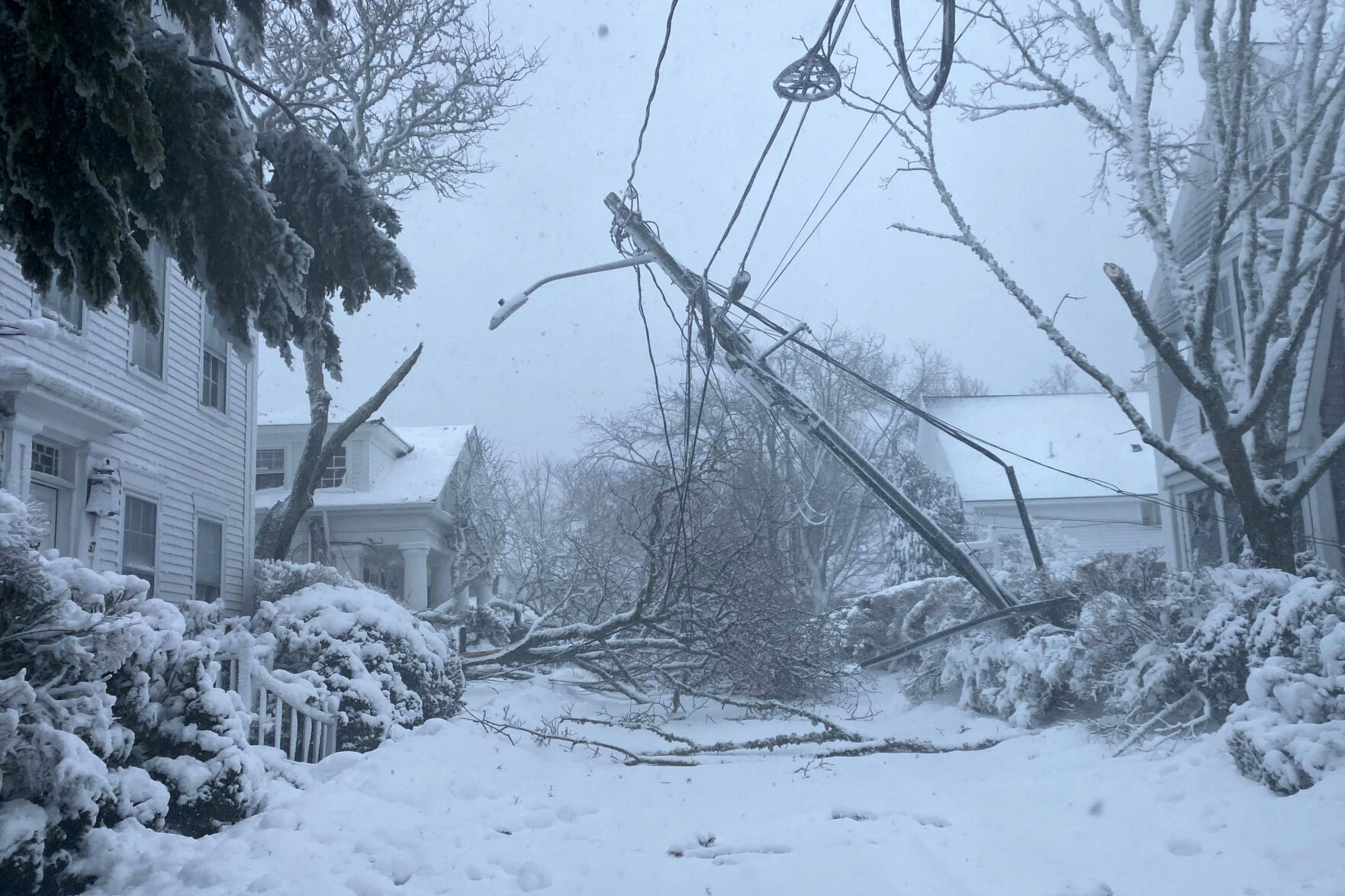
\Power failures and waist-high canyons of snow bedeviled parts of the Northeast in the aftermath of a massive storm that dumped piles on streets and sidewalks from Maryland Maine, even as fresh snowfall coated the region. Across the Northeast, the fallout from the storm persisted: In Rhode Island, where 3 feet (0.9 meters) of snow surpassed the record set in the Blizzard of 1978, people confronted a third straight day stuck at home as residential streets remained unplowed, trash pickup got postponed in some places and some schools went virtual. In Massachusetts, particularly in Cape Cod where nearly 145,000 were without power, utility crews worked 18-hour shifts to restore electricity.
By JAKE OFFENHARTZ and MIKE CATALINI Associated Press
Millions across the northeastern United States contended with treks to school and work as they dug out from a major storm that blanketed the region with snow, canceled flights, disrupted transit and downed power lines. Snow moved north Tuesday giving way to sunshine in parts of the region, but National Weather Service forecasters warned another storm originating in the Great Lakes is right around the corner. In New York City, Mayor Zohran Mamdani declared that more 900,000 students in the nation's largest public school system had a regular day. Mamdani invited kids to pelt him with snowballs over his decision.
By ANTHONY IZAGUIRRE, CLAIRE RUSH, JULIE WALKER and ADAM GELLER Associated Press
A massive snowstorm is pummeling the northeast United States, forcing millions of people to stay home amid strong wind and blizzard warnings, transportation shutdowns, and school and business closures. The storm hit the metropolitan northeast as accumulations from an earlier snowfall had just melted away, except for gray mountainous piles in parking lots and along the side of roads. Officials have declared emergencies from Delaware to Massachusetts, and hundreds of thousands of people are grappling with power failure from downed electrical lines. Even as digging out began, the National Weather Service warned Monday that perilous conditions could persist.