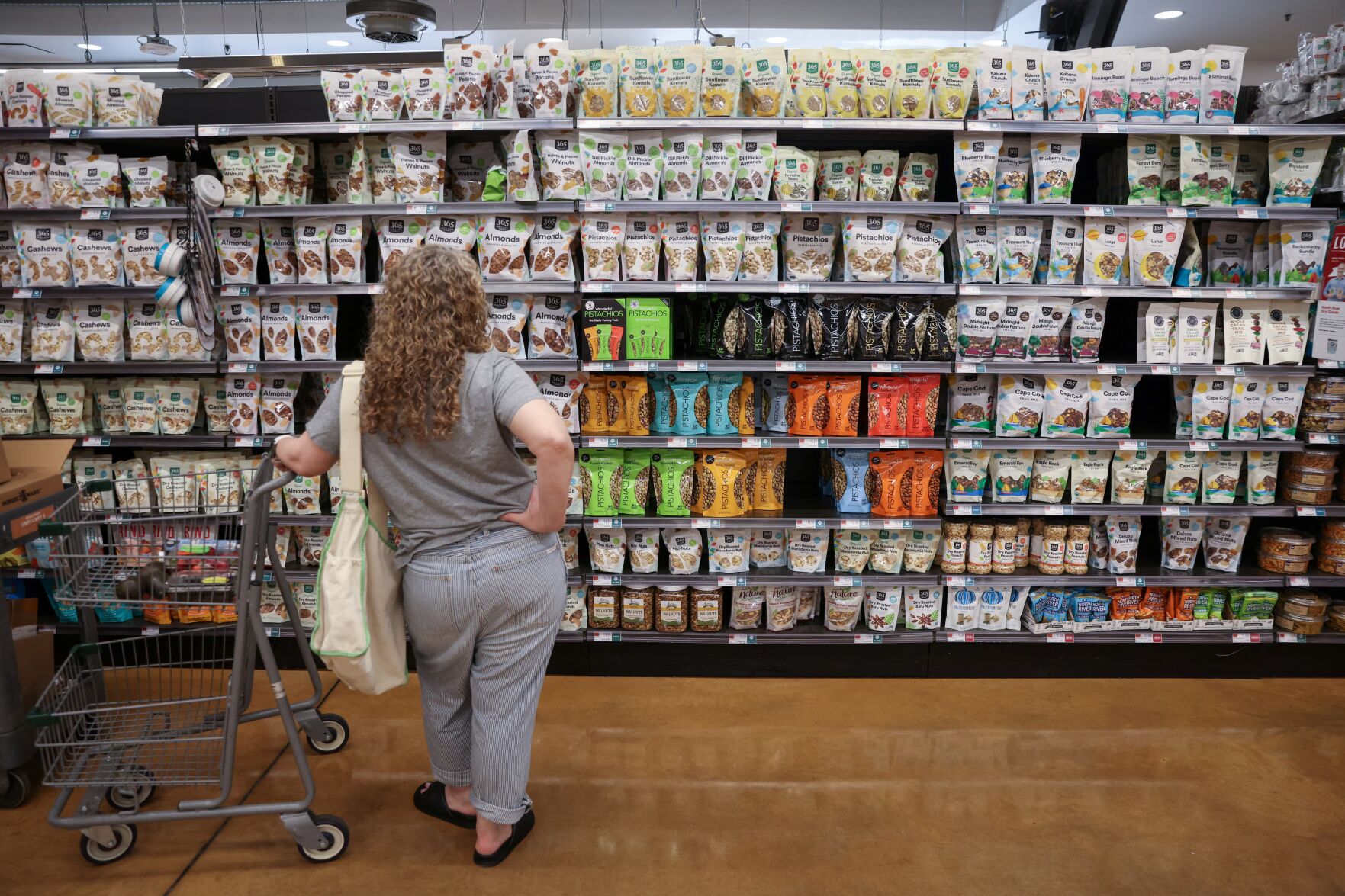
Inflation declined a bit last month as prices for gas and used cars fell, a sign that cost pressures are slowly easing. The Labor Department said Tuesday that consumer prices rose 0.3% in December from the prior month, the same as in November. Excluding the volatile food and energy categories, core prices rose 0.2%, also matching November's figure. Even as inflation has eased, the large price increases for necessities such as groceries, rent, and health care have left many American households feeling squeezed, turning "affordability" issues into high-profile political concerns.
President Donald Trump says he's reached a trade deal with Vietnam. Trump says Vietnam will pay a 20% tariff on goods sent into U.S. territory and a 40% tariff on transshipping, which usually means exports from China that pass through Vietnam. Trump says the U.S. will have "TOTAL ACCESS" to the Vietnamese market for trade and be able to sell products with no tariff. The Republican president's announcement Wednesday comes as an analysis finds a critical group of U.S. employers would face a direct cost of $82.3 billion from his current tariff plans. The JPMorganChase Institute analysis says the cost could be managed through price hikes, layoffs, hiring freezes or lower profit margins.
By CHRISTOPHER RUGABER and ANNE D'INNOCENZIO Associated Press Writers
U.S. inflation picked up a bit last month as higher prices for groceries and some imported goods were largely offset by cheaper gas, travel services, and rents. Consumer prices increased 2.4% in May compared with a year ago, according to a Labor Department report released Wednesday. That is up from a 2.3% yearly increase in April. The cost of groceries, toys and games, and large appliances rose, which could reflect the impact of President Donald Trump's tariffs. Yet the price of new and used cars, clothes, airfares, and hotel rooms all dropped from April to May, offsetting the increases.
A key U.S. inflation gauge slowed last month as President Donald Trump's tariffs have yet to noticeably push up prices, while American incomes jumped. Friday's report from the Commerce Department showed that consumer prices rose just 2.1% in April compared with a year earlier, down from 2.3% in March and the lowest since September. Excluding the volatile food and energy categories, core prices rose 2.5% from a year earlier, below the March figure of 2.6%. Economists track core prices because they typically provide a better read on where inflation is headed. The figures show inflation is still declining from its post-pandemic spike, which reached the highest level in four decades in July 2022.
Dollar Tree is selling Family Dollar to a pair of private equity firms in a deal worth approximately $1 billion after unsuccessfully trying to incorporate it into its business for a decade. Dollar Tree Inc. said Wednesday that the sale to Brigade Capital Management and Macellum Capital Management will now allow it to focus on its core business.