

Featured
California's snowpack continues to hover at below-average volumes this year as a recent spate of late-season storms hasn't made up for a dry s…
California's snowpack continues to hover at below-average volumes this year as a recent spate of late-season storms hasn't made up for a dry s…
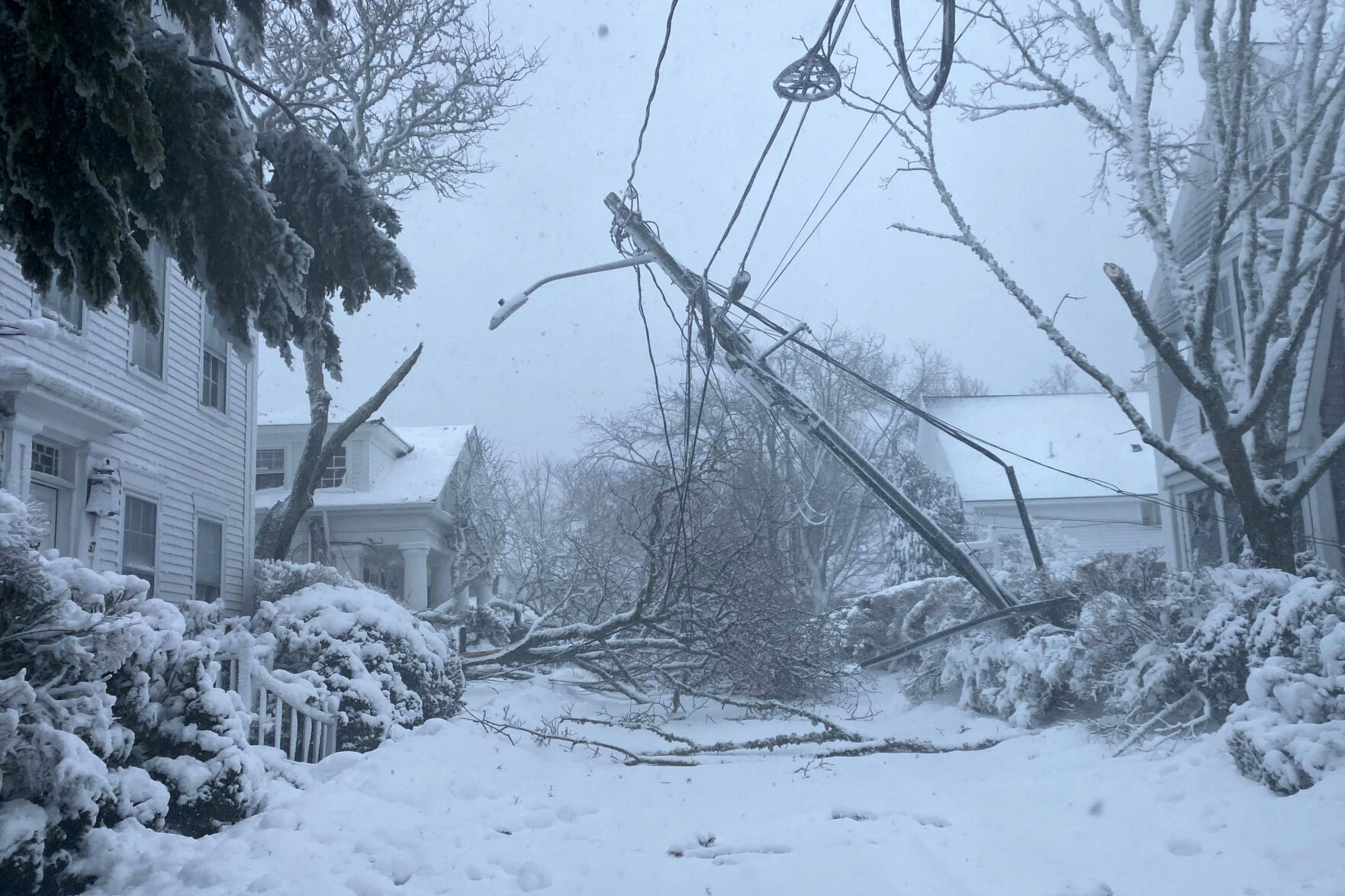
\Power failures and waist-high canyons of snow bedeviled parts of the Northeast in the aftermath of a massive storm that dumped piles on streets and sidewalks from Maryland Maine, even as fresh snowfall coated the region. Across the Northeast, the fallout from the storm persisted: In Rhode Island, where 3 feet (0.9 meters) of snow surpassed the record set in the Blizzard of 1978, people confronted a third straight day stuck at home as residential streets remained unplowed, trash pickup got postponed in some places and some schools went virtual. In Massachusetts, particularly in Cape Cod where nearly 145,000 were without power, utility crews worked 18-hour shifts to restore electricity.

Millions across the northeastern United States contended with treks to school and work as they dug out from a major storm that blanketed the region with snow, canceled flights, disrupted transit and downed power lines. Snow moved north Tuesday giving way to sunshine in parts of the region, but National Weather Service forecasters warned another storm originating in the Great Lakes is right around the corner. In New York City, Mayor Zohran Mamdani declared that more 900,000 students in the nation's largest public school system had a regular day. Mamdani invited kids to pelt him with snowballs over his decision.

A massive snowstorm is pummeling the northeast United States, forcing millions of people to stay home amid strong wind and blizzard warnings, transportation shutdowns, and school and business closures. The storm hit the metropolitan northeast as accumulations from an earlier snowfall had just melted away, except for gray mountainous piles in parking lots and along the side of roads. Officials have declared emergencies from Delaware to Massachusetts, and hundreds of thousands of people are grappling with power failure from downed electrical lines. Even as digging out began, the National Weather Service warned Monday that perilous conditions could persist.

Many U.S. residents are facing another night of below-freezing temperatures and no electricity after a massive winter storm dumped more snow in Northeast and left parts of the South coated in ice. The colossal storm halted air and road traffic in many areas and sent temperatures plunging. At least 26 deaths were reported in states hit by the winter weather. As the work week began, the heaviest snow fell from New York northward into New England. That's after heavy ice snapped branches and power lines in the South, leaving hundreds of thousands of homes and businesses without electricity. Arctic air was spreading in behind the storm and some communities in New York saw record-breaking subzero temperatures.

Forecasters say over half the U.S. population could be affected by snow, ice or bitter cold as a winter storm sweeps across the county. On Friday, schools in Chicago and other cities canceled classes due to extreme cold. Then the storm is forecast to bring snow, sleet, and ice from Texas to New England. Forecasters warn the damage could rival a hurricane, especially in areas hit by ice. More than 1,000 flights were delayed or canceled Friday, with more expected Saturday. People are stocking up on water, food and generators as they prepare for the storm.
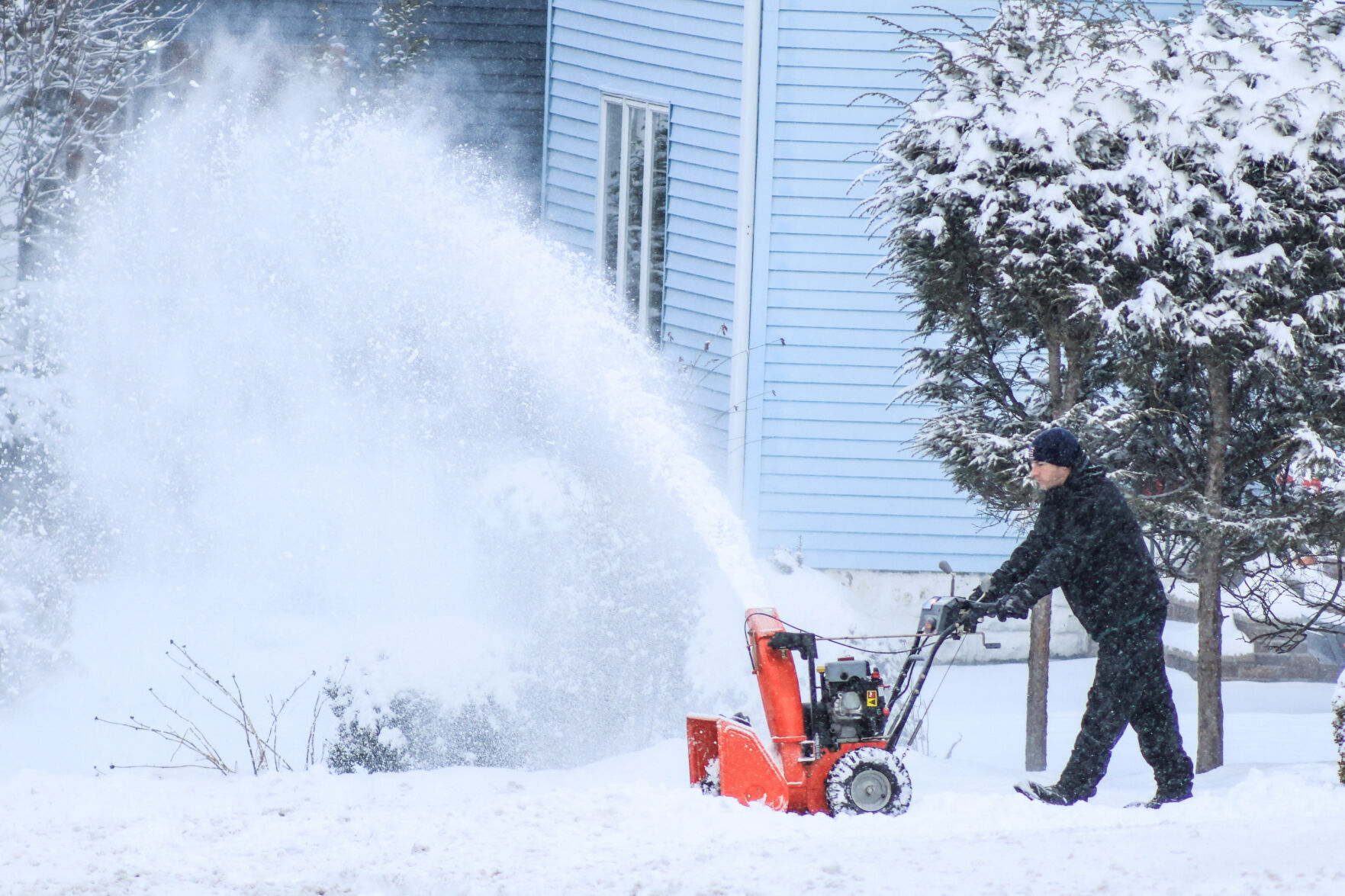
A strengthening bomb cyclone is barreling across the northern United States, unleashing severe winter weather in the Midwest and aiming at the East Coast. The storm brought blizzard conditions, treacherous travel and widespread power outages Monday across the Plains and Great Lakes. Forecasters say the storm intensified rapidly, meeting the criteria of what's known as a bomb cyclone. The sharp cold front left parts of the central U.S. waking up to temperatures 50 degrees colder than the day before. The National Weather Service had warned of whiteout conditions beginning Sunday that could make travel impossible in some areas.
Some higher elevations in the Bay Area saw a dusting of snow on Thursday amid scattered showers that were reported around the region, a meteor…

Snowy roads led to hundreds of crashes throughout Virginia and North Carolina, including a series of crashes on an interstate highway involving more than 50 vehicles. Officials continued to ask people to avoid travel on Thursday to allow crews to work on the roads. The North Carolina State Highway Patrol says it responded to nearly 1,200 collisions statewide on Wednesday. Virginia State Police reported early Thursday that there had been nearly 500 crashes statewide since the storm began, including at least 45 involving injuries. An Arctic air mass is bringing widespread, record-breaking cold to the central United States and forecasters expected some locations to experience their coldest temperatures on record this late in the season.

Some residents stranded in Southern California mountain communities by a huge snowfall could be stuck for another week. San Bernardino County Sheriff Shannon Dicus' Friday estimate is an improvement in the outlook. The estimate has ranged up to two weeks. The sheriff attributes the change to the arrival of state assistance. A late-February blast of arctic air produced a rare blizzard east of Los Angeles in the San Bernardino Mountains. Thousands of people live at high elevations there in forest communities or visit for year-round recreation. Extraordinary snowfall buried homes and businesses. It overwhelmed the capability of snowplowing equipment geared toward ordinary storms.


