
Featured
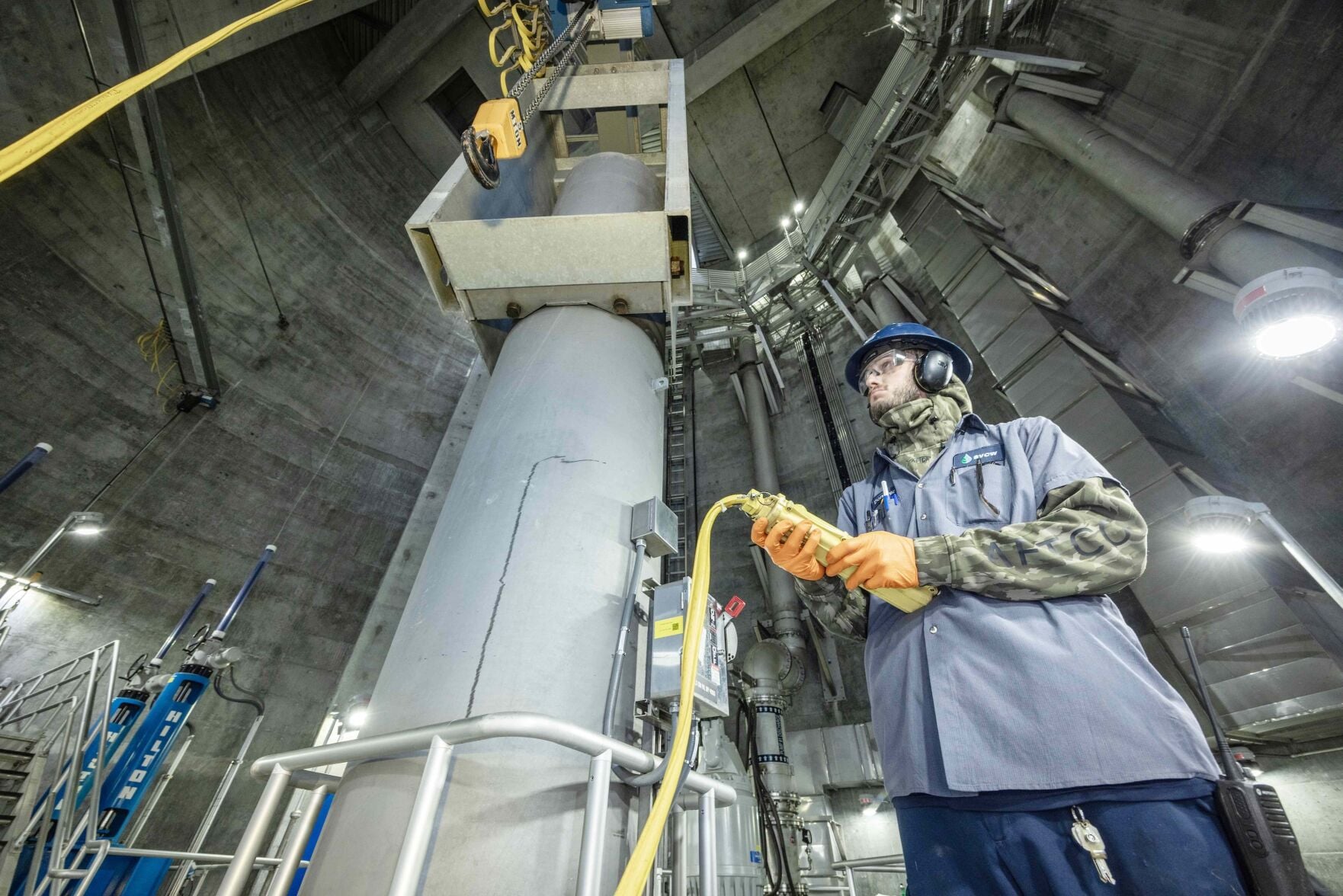
Silicon Valley Clean Water, a wastewater treatment agency in the mid-Peninsula, is inviting the public to have a close up view of how the adva…
Silicon Valley Clean Water, a wastewater treatment agency in the mid-Peninsula, is inviting the public to have a close up view of how the adva…

Residents of Havana are dealing with a growing garbage crisis. Piles of waste have been accumulating on nearly every street corner, worsened by a U.S. energy blockade that caused power outages and a fuel crisis. This has halted garbage collection, forcing residents to burn waste in the streets. Health officials are alarmed by the potentially toxic smoke. The situation could worsen with rising temperatures and the impending hurricane season. Some citizens have started initiatives like El Batazo to clean up neighborhoods and repurpose waste. They aim to prove that a cleaner environment is possible.

Refilling a bottle instead of throwing it away has become a popular way for people to reduce waste — a small, tangible action in response to l…

Many consumers are guilty of filling drawers or closets with old laptops, cellphones, fitness trackers and other electronic devices once they …

In South San Francisco’s Old Town neighborhood, families make frequent conversation with each other at school events and parks, musing about t…

California is updating CalEnviroScreen, the tool used to allocate cleanup funds to polluted communities. The update adds indicators like diabetes prevalence and small air toxic sites. Officials say they're listening more to communities, but critics argue the tool still misses some areas. The update involves collaboration with eight community organizations. Officials plan to gather feedback through public meetings this month and expect a final version in the summer. Critics want more indicators and question the tool's design. Advocates emphasize the need for the tool to drive real change, not just funding.

Starting this year, California consumers will pay a 1.5% fee on all products with an embedded battery under a law that aims to curb the risk of battery fires and increase the recycling of lithium batteries. The surcharge, capped at $15, expands a recycling program that has been collecting computer monitors and TVs for two decades. Consumers will pay the fee when buying any product with an embedded battery, whether it's rechargeable or not. Under harsh conditions at recycling and waste facilities, lithium-ion batteries can catch fire and even explode. Supporters of the law say a small fee to fund proper collection is cheaper than fires that can cause millions of dollars in damages.

What to buy, what to serve, which events to attend — December is typically full of decisions. Here’s one more for you to contemplate: What are…

As Silicon Valley Clean Water, a wastewater treatment organization in the mid-Peninsula, celebrates 50 years of service, innovative projects a…


