By MIKE STOBBE and LAURAN NEERGAARD Associated Press
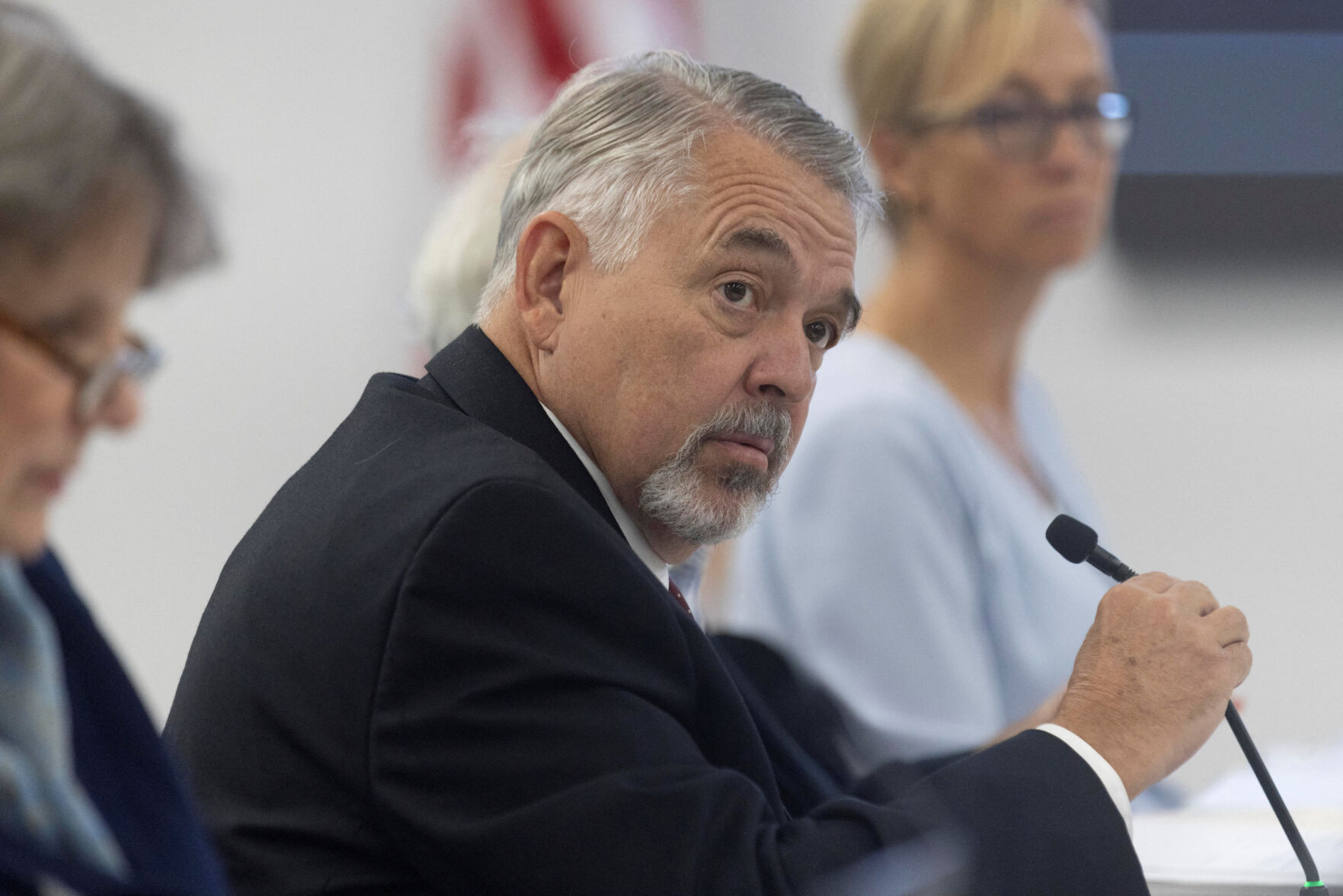
Health Secretary Robert F. Kennedy Jr.'s new vaccine advisers added confusion Friday to this fall's COVID-19 vaccinations. For the first time since the shots were developed, the group has declined to recommend their use — instead leaving the choice up to those who want them. The Food and Drug Administration recently put new restrictions on this year's shots from Pfizer, Moderna, and Novavax, reserving them for people over 65 or younger ones at higher risk. The Centers for Disease Control and Prevention advisers declined to recommend that those people seek a shot but narrowly avoided urging states to require a prescrption for those who want one.
By MIKE STOBBE and LAURAN NEERGAARD Associated Press
U.S. Health Secretary Robert F. Kennedy Jr.'s new vaccine advisory committee endorsed fall flu vaccinations Thursday for just about every American but with a twist: The group says people should only be given shots free of an ingredient antivaccine groups have falsely tied to autism. The seven-member panel, which includes vaccine skeptics, replaced the previous 17-member group earlier this month. Public health officials are worried that ideological decisions could make vaccines less accessible and more expensive for millions of Americans.
By MIKE STOBBE and LAURAN NEERGAARD Associated Press
U.S. Health Secretary Robert F. Kennedy Jr.'s new vaccine advisory panel plans to revisit long-settled questions about childhood vaccines. On Wednesday, the new committee announced it would be looking into the childhood vaccine schedule and into specific shots like the hepatitis B and MMR-chickenpox combination. Pediatricians and scientists are expressing alarm. The American Academy of Pediatrics criticized the committee, calling its process "no longer credible." The panel also discussed COVID-19 vaccines and shots that protect infants from RSV.
By DEVI SHASTRI and KASTURI PANANJADY AP Health Writers
Measles cases in West Texas are still rising two months after the outbreak began. Local public health officials say they expect the outbreak to last for at least several more months and the case number is likely an undercount. More people have received a measles, mumps and rubella vaccination this year in Texas and New Mexico compared to last year, though officials would like it to be higher. Pharmacies across the U.S., especially in Texas, are seeing more demand for MMR shots. University of North Carolina epidemiologist Justin Lessler says measles has a slow way of spreading that makes it especially hard to contain.
Updated COVID-19 vaccines are on their way. The Food and Drug Administration approved new shots from Pfizer and Moderna on Thursday, and the companies are set to begin shipping millions of doses. The shots are cleared for adults and children as young as 6 months, and health authorities hope far more Americans get them this year. Vaccinations could begin in days, as a summer wave of COVID-19 continues. Authorities say anyone who's recently been infected can wait three months after recovering to get vaccinated.
The U.S. government will pay the vaccine maker Moderna $176 million to accelerate development of a pandemic influenza vaccine. The vaccine could be used to treat bird flu in people as cases in dairy cows continue to mount across the country. The U.S. Department of Health and Human Services said Tuesday it is funding the development of a vaccine based on the same mRNA technology that allowed the rapid development and rollout of vaccines to protect against COVID-19. The H5N1 bird flu virus was detected earlier this year in dairy cows and has spread to more than 135 herds in 12 states and infected three people. Federal officials say the risk to the public remains low.