

South Carolina's measles outbreak — the worst in the U.S. in more than 35 years — is over, state health officials declared Monday.
South Carolina's measles outbreak — the worst in the U.S. in more than 35 years — is over, state health officials declared Monday.

Wildlife authorities confirmed Thursday that nine more elephant seals, a sea lion and an otter have died from bird flu at Ano Nuevo State Park…

California health departments are fighting to contain measles outbreaks as cases rise and resources shrink. Investigating communicable diseases is time-intensive and expensive. Officials say teams have about 72 hours after a positive case to find exposed people and stop spread. Nurses trace contacts, order quarantine, or give post-exposure medicine. They then monitor people for 21 days. Experts say measles spreads fast and hangs in the air for hours. California has high vaccination rates overall, but unvaccinated pockets drive outbreaks. The outbreaks are occurring as local health departments also face major funding cuts and staffing losses.

San Mateo County Health is working with Santa Clara County Public Health to notify the public of a confirmed case of measles after an adult wh…

The risk to the general public appears low after an outbreak of tuberculosis at Archbishop Riordan High School, the San Francisco Department o…

The Serra boys’ basketball game originally scheduled for Tuesday night against Archbishop Riordan at Morton Family Gymnasium has been postponed.
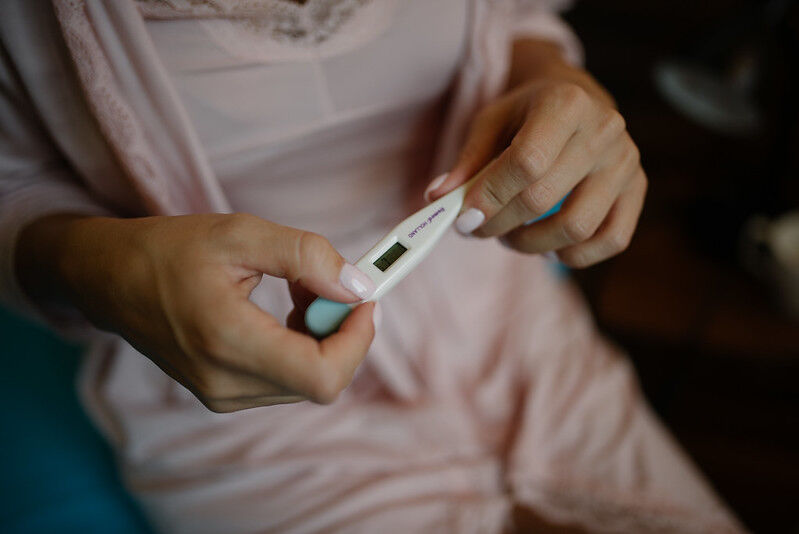
San Mateo County Health is reporting the flu-related death of an adolescent patient in December, the second flu-related death in the county th…

The U.S. has taken the unprecedented step of dropping the number of vaccines it recommends for every child — leaving other immunizations, such as flu shots, open to families to choose but without clear guidance. Officials say the overhaul to the federal vaccine schedule, announced Monday, won't result in any families losing access or insurance coverage for vaccines, but medical experts are slamming the move, saying it could lead to reduced uptake of important vaccinations and increase disease.

A bat found Oct. 24, near the Little People’s Park playground at Portola Valley Town Center, has tested positive for rabies, according to San …

A recent study of schoolchildren finds that the youngest students harbor the most germs. Researchers looked at nasal swabs and symptom reports of more than 800 students and staff in Kansas City, Missouri. Kids in pre-kindergarten and elementary school had the highest rates of virus detection compared with older students and staff. The pre-K kids, ages 3 to 5, had the highest rates of actual illness, too. Young children can have up to 10 respiratory viruses as their immune systems are introduced to different infections for the first time. Those viruses include colds, flu and more.


