Apple is unveiling new artificial intelligence features at its annual developers conference. The World Wide Developers Conference started Monday. It's the last one featuring CEO Tim Cook before he turns his post over to John Ternus in September. The conference attracts thousands of developers from some 65 countries to Apple's Silicon Valley headquarters. It usually focuses on software, in contrast to the fall unveiling of the latest iPhones. Apple showed off updates on new AI features, including upgrades to its Siri assistant. Apple says it's focusing on day-to-day use and privacy.
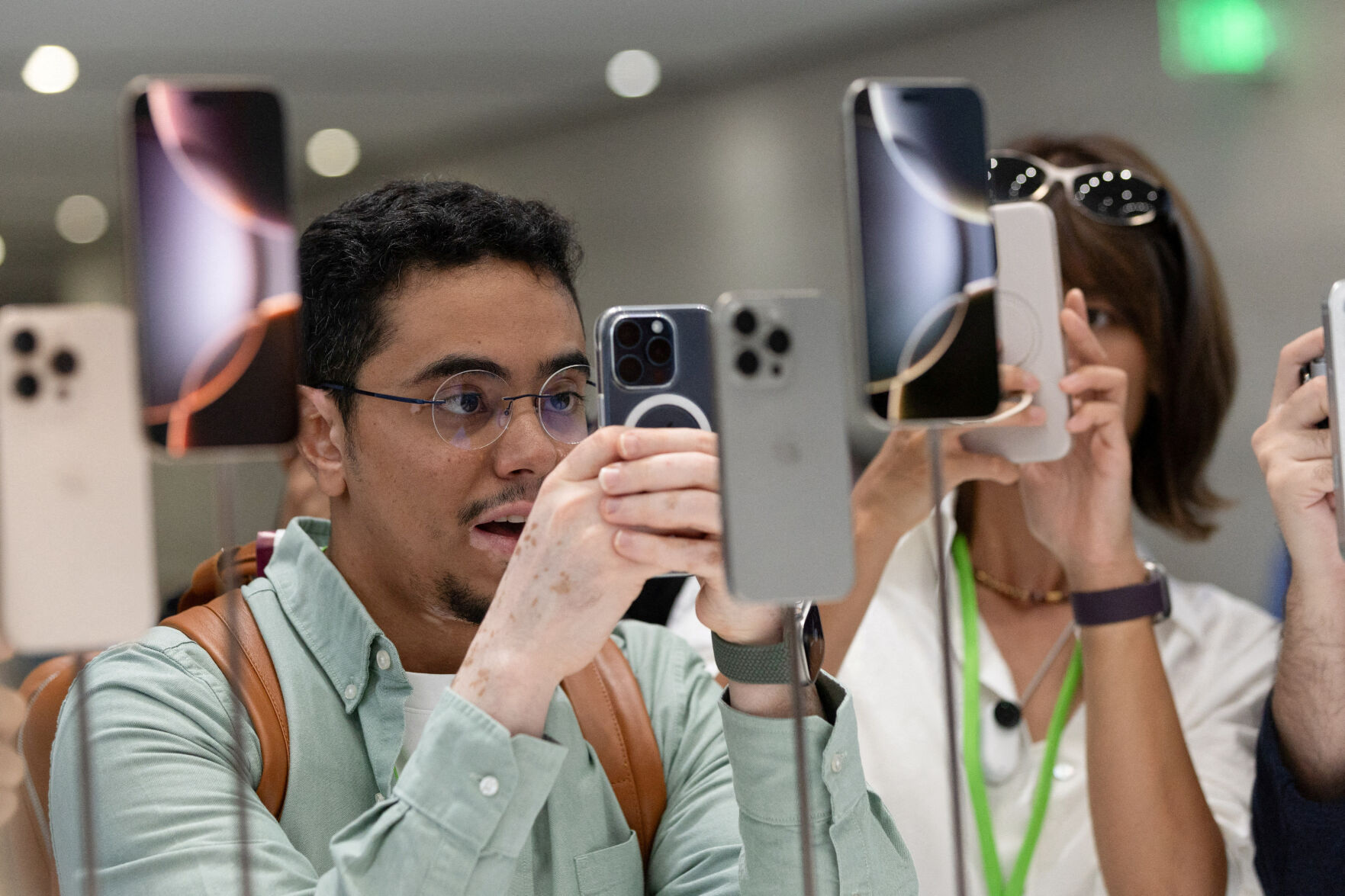
The American obsession with the iPhone is complicated, as most love-hate relationships are. It sometimes seems like a talisman so magically powerful that we can't fathom living without it. The iPhone, and its smartphone brethren, enable pictures that can almost instantly be posted on social media, play a video game, watch a video, listen to music, send a text, check email, surf the internet, catch up on on the news, get directions, tap to pay at the checkout stand. Oh — and, every once in a while, it can even make or answer a phone call. At other times, it seems like a drug-dealing pusher preying on our weaknesses and worst impulses while deepening our addiction.
Apple has agreed to a $250 million settlement in a class-action lawsuit over false advertising of Siri's AI capabilities. The lawsuit claims Apple misled consumers by promoting features that didn't exist when the iPhone 16 launched in 2024. If approved, the deal means owners could receive at least $25 and up to $95 for each eligible device. The settlement covers about 37 million devices bought in the U.S. between June 2024 and March 2025. Apple has been trying to keep up with AI advancements but hasn't delivered on the promised Siri updates. The company is expected to unveil the upgrade soon.
Samsung is saying goodbye its namesake texting app. According to an end of service announcement published on the tech giant's U.S. support website, Samsung Messages will be discontinued in July. Impacted owners of Samsung smartphones and other gadgets are being asked to switch to Google Messages as their default in the meantime. The company says this will help maintain a consistent messaging experience on Android. All Samsung Galaxy phones run on Google's Android operating system. Users of older Android operating systems (dating back to Android 11 or older) will not be impacted.The Associated Press
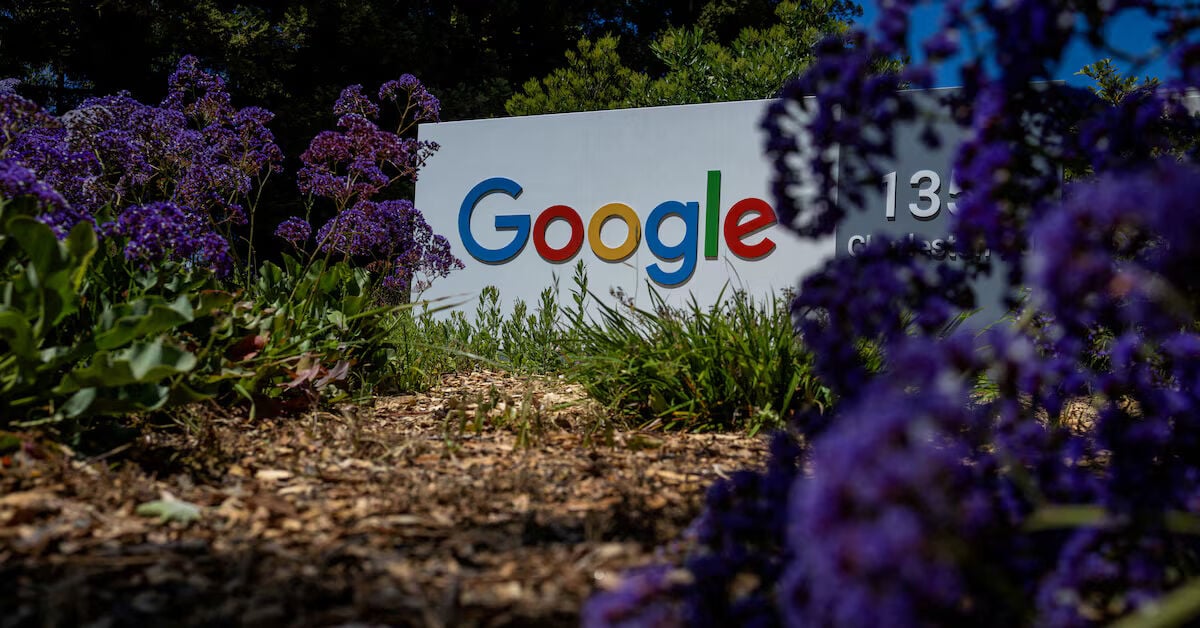
Apple will lean on Google to help finish its bungled attempts to smarten up its virtual assistant Siri and bring other artificial intelligence features to the iPhone as the trendsetting company plays catch up in technology's latest craze. The deal that allowing Apple to tap into Google's AI technology was disclosed Monday in a joint statement from the Silicon Valley powerhouses. The partnership will draw upon Google's Gemini technology to customize a suite of AI features dubbed "Apple Intelligence" on the iPhone and other products. Apple announced plans to use AI to turn Siri into a more conversational and versatile multitasker in 2024, but that promise remains unfulfilled.
More artificial intelligence is being implanted into Gmail as Google tries to turn the world's most used email service into a personal assistant that can improve writing, summarize far-flung information buried in inboxes and deliver daily to-do lists. The new AI features announced Thursday could herald a pivotal moment for Gmail, a service that transformed email when it was introduced nearly 22 years ago. Gmail's new AI options will only be available in English within the U.S. for starters, but Google is promising to introduce them in other countries and other languages as the year unfolds.






![Top 3 AI App Building Tools for Freelancers [2026 Review]](https://bloximages.newyork1.vip.townnews.com/smdailyjournal.com/content/tncms/assets/v3/editorial/3/18/318f6123-c6b4-4551-9c2d-dd991f577006/69ab3c70a2c7e.image.png)