“Available now — protein coffee!” It sounds too good to be true (because it is), but truthfully, convenience has been the greatest marketing p…
“Available now — protein coffee!” It sounds too good to be true (because it is), but truthfully, convenience has been the greatest marketing p…

The new year presents a fresh opportunity to improve how your body creates and uses energy, the foundation of sustained vitality, balanced wei…

Meals and snacks with "GLP-1 Friendly" labels on the packaging are becoming more common as a growing number of Americans try obesity drugs like Wegovy and Zepbound to lose weight. Nestle and Conagra have put the labels on some of their frozen meals. Food chains like Smoothie King and Chipotle are introducing menu items targeting GLP-1 users. Dietitians say the nutritional needs of people taking the medications aren't that different from the general population's. They need to get enough protein to maintain muscle mass as they lose weight. Fiber is important to prevent constipation. Dietitians recommend reading food labels carefully. Some products marketed to GLP-1 users contain high amounts of saturated fat and sodium.

New guidelines for healthy eating say Americans should eat more whole foods and protein, fewer highly processed foods and less added sugar. Federal health officials released the 2025-30 U.S. Dietary Guidelines for Americans on Wednesday. The guidelines are required by law to be updated every five years. They offer advice for healthy eating and provide the foundation for federal nutrition programs and policies. The guidance offers new advice to avoid prepared or packaged highly processed foods, to limit saturated fats and added sugars and to eat more protein. Research shows most Americans don't follow the dietary guidance.

As the new year approaches, consumers — already inundated with online ads for protein-infused products and various supplements — may be inclin…

Every now and then, I’ll do sugar fasts for one month with the exception of natural sugar found in fruit or honey.
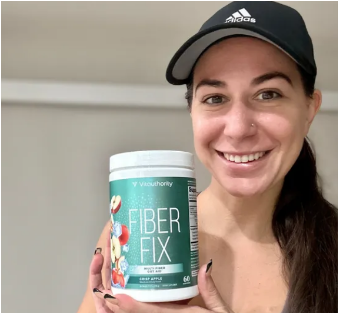
Discover why Nic loves Fiber Fix, a gut health supplement that reduces bloating, keeps you regular, and supports digestion naturally and effectively.

A recent report from the International Food Information Council finds 70% of Americans actively try to eat protein and 23% regularly follow a …

Everyone needs protein — it's vital for the growth, repair and maintenance of your muscles, bones and skin. But how much you need depends on your age, weight and nutritional needs. Despite the increasing range of protein-enriched foods on the market, experts say if you're getting enough to eat, you are probably getting enough protein. Protein can be found in a wide variety of foods, including meat, dairy and plant-based foods.

As an assistant teacher in San Mateo, 24-year-old Jeremy Perlas is on a weight-loss journey to shed the pounds he gained during the pandemic.