

The OpenAI Foundation announced a $100 million grant for Alzheimer’s research earlier this week, in partnership with two Bay Area-based resear…
The OpenAI Foundation announced a $100 million grant for Alzheimer’s research earlier this week, in partnership with two Bay Area-based resear…

California health departments are fighting to contain measles outbreaks as cases rise and resources shrink. Investigating communicable diseases is time-intensive and expensive. Officials say teams have about 72 hours after a positive case to find exposed people and stop spread. Nurses trace contacts, order quarantine, or give post-exposure medicine. They then monitor people for 21 days. Experts say measles spreads fast and hangs in the air for hours. California has high vaccination rates overall, but unvaccinated pockets drive outbreaks. The outbreaks are occurring as local health departments also face major funding cuts and staffing losses.

San Mateo County Health is working with Santa Clara County Public Health to notify the public of a confirmed case of measles after an adult wh…

The risk to the general public appears low after an outbreak of tuberculosis at Archbishop Riordan High School, the San Francisco Department o…
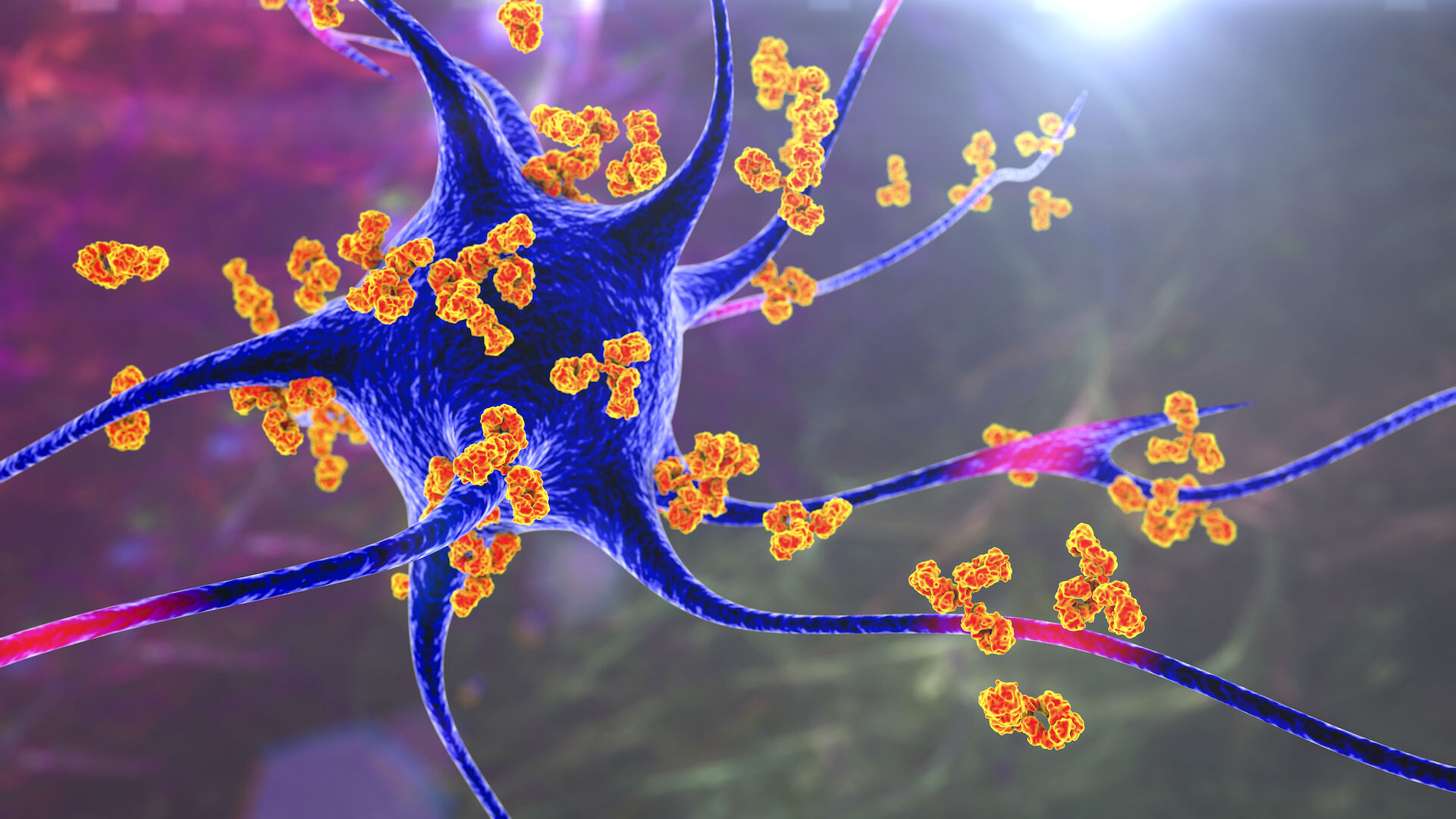
It's one of medicine's biggest mysteries — why sometimes our immune system attacks our own bodies. Autoimmune diseases affect as many as 50 million Americans and millions more worldwide. They're hard to diagnose and treat, and they're on the rise. A Massachusetts woman's journey with one named lupus — called the disease of 1,000 faces for its baffling variety of symptoms — offers a snapshot of the burden. Now researchers are decoding the biology behind these debilitating diseases in hopes of eventually treating the causes, not just the symptoms.

A mosquito-borne virus more common in South America has been detected in the United States. Health officials say the chikungunya virus has been identified in a patient living in the suburbs of New York City who began experiencing symptoms in August. Authorities say it's the first locally acquired case identified in any state since 2015, meaning the patient didn't travel outside the country before becoming infected. It's also the first locally acquired case that New York has ever seen. Chikungunya typically produces symptoms including fever, muscle pain, nausea, fatigue and a rash.

A bat found Oct. 24, near the Little People’s Park playground at Portola Valley Town Center, has tested positive for rabies, according to San …

A recent study of schoolchildren finds that the youngest students harbor the most germs. Researchers looked at nasal swabs and symptom reports of more than 800 students and staff in Kansas City, Missouri. Kids in pre-kindergarten and elementary school had the highest rates of virus detection compared with older students and staff. The pre-K kids, ages 3 to 5, had the highest rates of actual illness, too. Young children can have up to 10 respiratory viruses as their immune systems are introduced to different infections for the first time. Those viruses include colds, flu and more.

COVID-19 activity is rising in much of the country. Data shows overall respiratory virus spread is very low in the U.S. But COVID-19 is rising in most states, with more people of all ages going to emergency rooms because of it. The stratus variant is most common. It can cause a "razor blade" sore throat and is considered a "variant under monitoring" by the World Health Organization, but it is only marginally better at evading people's immune systems. Flu and RSV activity remain very low. Doctors say hot summer weather can drive people indoors where respiratory viruses like to spread.
COVID-19 activity is rising in much of the country. Data released Friday by federal health officials shows overall respiratory virus spread is low. But COVID-19 is rising in many states in the mid-Atlantic, the South, the southeast and on the West Coast. More people of all ages are going to emergency rooms because of COVID-19. Flu and RSV activity remain very low. Doctors say hot summer weather can drive people indoors where respiratory viruses like to spread.


