By JENNIFER McDERMOTT and MATTHEW DALY Associated Press
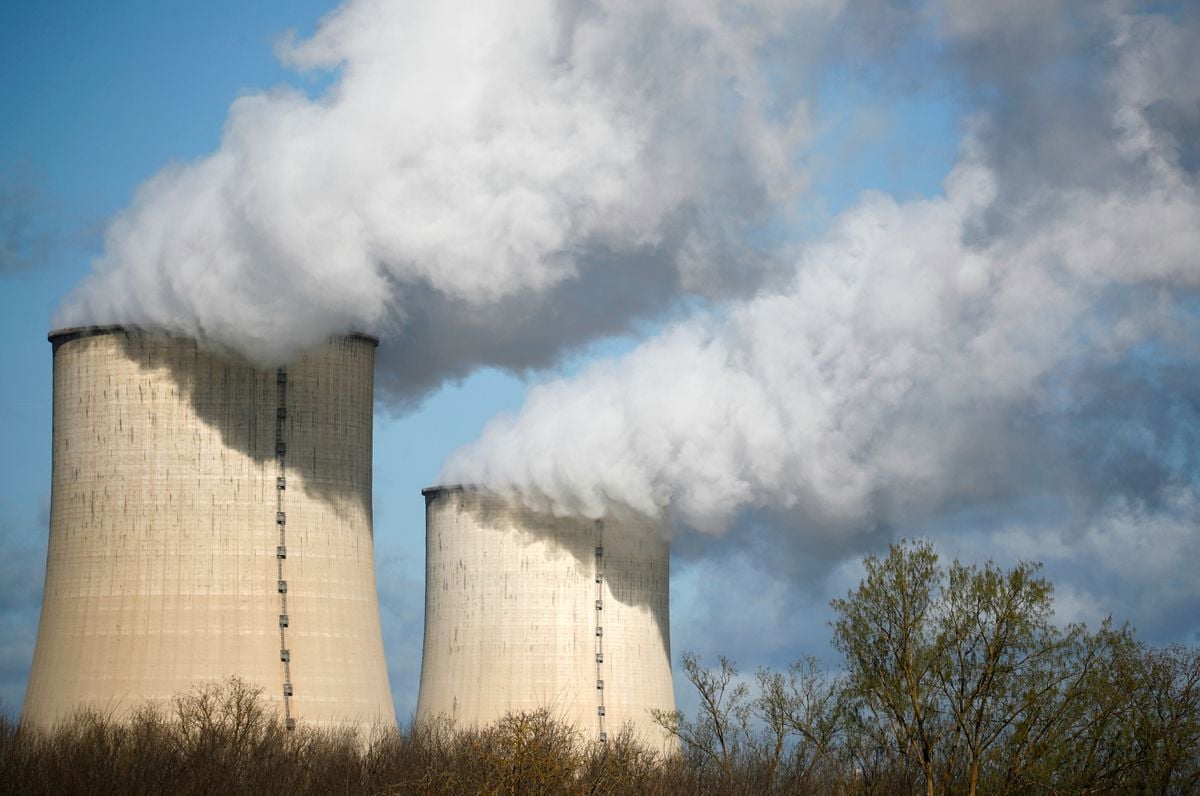
The Trump administration is providing $17.5 billion to speed the development of 10 new large nuclear reactors to meet the skyrocketing power demand from massive data centers. The Energy Department announced the loans Tuesday. Energy Secretary Chris Wright cited "tremendous interest" among developers of data centers, called hyperscalers, who would buy the power, as well as utilities and energy companies. The department said seven utilities and energy companies signed letters of intent that identified sites. It plans to pick five, each hosting two reactors. The financing would be used to purchase nuclear components with long lead times.
The Trump administration says it's buying back another energy company's U.S. offshore wind leases for four more wind projects, as it seeks to discourage the expansion of wind energy in favor of fossil fuels. That brings the total amount spent on these agreements to nearly $2.6 billion. Chicago-based Invenergy has agreed to end its four offshore wind leases that were very early in development in exchange for reimbursements of lease fees totaling $765 million. The company had already canceled the Leading Light Wind project off New Jersey's coast. The others are off the coasts of Maine and California. It will invest in natural gas and geothermal projects instead. President Donald Trump doesn't support offshore wind development, and prioritizes fossil fuels.
Even as President Donald Trump boosts coal over clean energy, solar power is hitting new milestones in the U.S. and remains the leading source of new power. New reports released Wednesday by global energy think tank Ember and the Solar Energy Industries Association show the continued growth of solar and decline of coal in the United States despite federal policy. Ember says in May, for the first time, solar supplied more of the nation's electricity than coal, or 12.8%. Coal supplied 12.2%, its fourth-lowest monthly share ever. The Republican president has been helping the struggling U.S. coal industry while curtailing solar and wind. A Democratic California congressman says the coal industry is dying.
The Energy Department says a small nuclear reactor under development at a national lab has reached a crucial milestone that could allow it to produce electricity in the next few years. The microreactor being developed by Antares Nuclear Inc. at the Idaho National Lab reached "criticality" on Thursday, Energy Secretary Chris Wright said. The milestone occurs when a nuclear reactor achieves a self-sustaining chain reaction capable of producing a steady release of energy. Antares is the first private company to bring an advanced reactor to criticality under a pilot program begun last year by the Trump administration.
Officials in Cuba report an islandwide blackout in the country of some 11 million people as its energy and economic crises deepen. The Ministry of Energy and Mines notes a "complete disconnection" of the country's electrical system and says it is investigating. President Miguel Díaz-Canel on Friday warned that the island had not received oil shipments in more than three months and that it was operating on solar power, natural gas and thermoelectric plants. Cuba has blamed its woes on a U.S. energy blockade. President Donald Trump warned in January of tariffs on any country that would sell or provide oil to the island.
By ALEXA ST. JOHN and TAMMY WEBBER Associated Press
Oil and gasoline prices are rising as the war in Iran intensifies and other global conflicts affect supply. That means pain at the pump for drivers filling up with gas. But electric vehicle drivers are largely unaffected by spikes in oil prices. Electricity prices — even as different grids have different power mixes — are more regulated. Experts say prolonged high gas prices may drive some EV interest and sales. Car-buying resource Edmunds says it has seen an uptick in people researching EVs and hybrids. But the experts also say just how far that will go is unclear. And in the U.S., significant incentives to buy EVs have gone away.
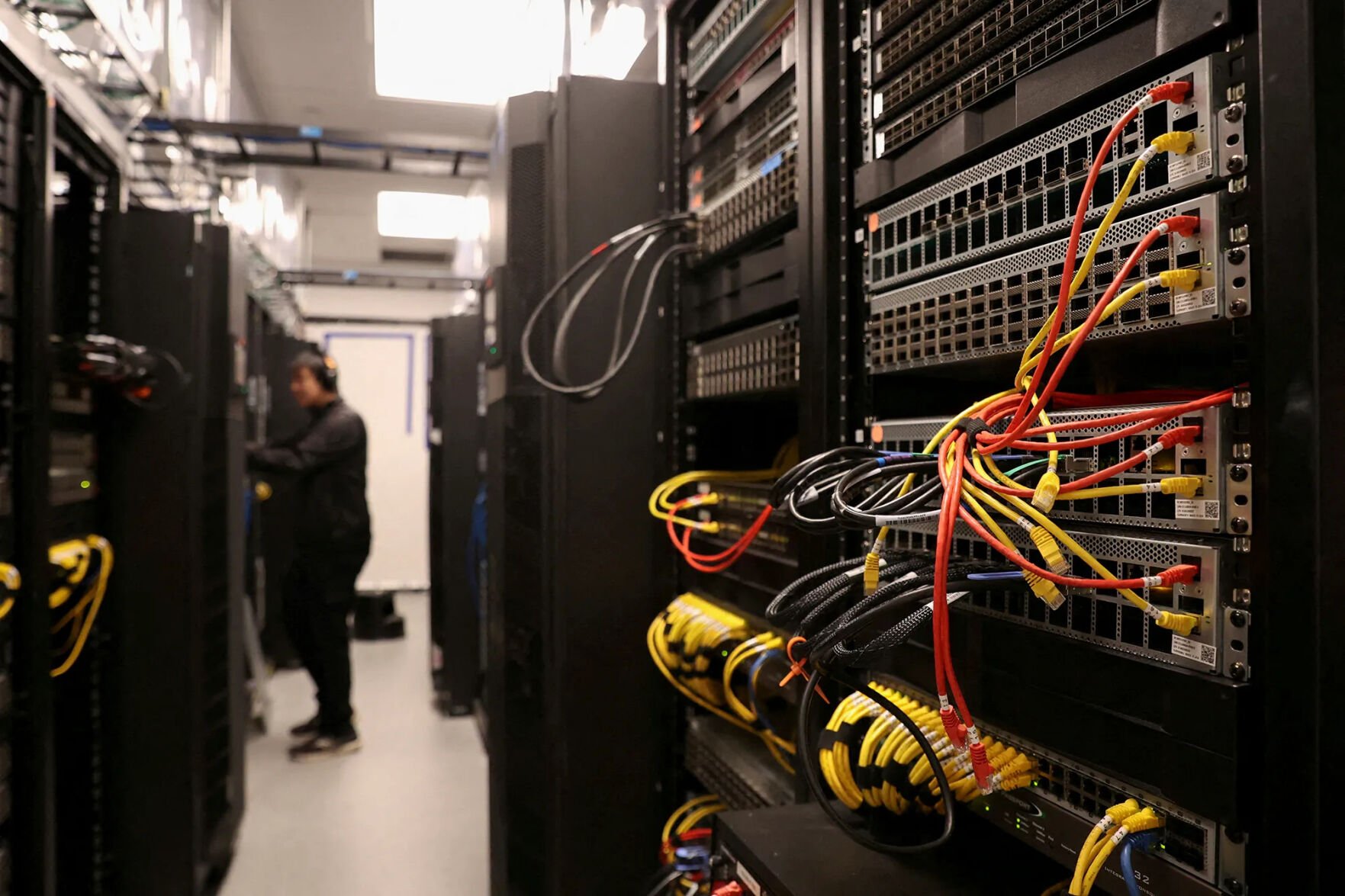
A California watchdog is urging state lawmakers to make data centers cover their own power costs, so households do not pay more. The Little Hoover Commission warns that AI-driven growth could strain the grid and raise utility bills. The report says regulators need clearer data on where demand lands. It seeks confidential, facility-level reporting on electricity use. It also calls for a special rate class for extremely large power users. The plan includes prepaying for grid upgrades and helping cover wildfire safety costs. The report also flags backup diesel generators, carbon emissions, and water use by data centers as hampering California's climate goals.