

Featured
In South San Francisco’s Old Town neighborhood, families make frequent conversation with each other at school events and parks, musing about t…
In South San Francisco’s Old Town neighborhood, families make frequent conversation with each other at school events and parks, musing about t…

After more than a decade of construction, project delays and cost escalations, San Mateo’s Clean Water Program is nearly finished but still re…

California is updating CalEnviroScreen, the tool used to allocate cleanup funds to polluted communities. The update adds indicators like diabetes prevalence and small air toxic sites. Officials say they're listening more to communities, but critics argue the tool still misses some areas. The update involves collaboration with eight community organizations. Officials plan to gather feedback through public meetings this month and expect a final version in the summer. Critics want more indicators and question the tool's design. Advocates emphasize the need for the tool to drive real change, not just funding.

The roughly 40 million Americans who get drinking water from wells are at particular risk when harmful forever chemicals contaminate the supply. Odorless and colorless, the chemicals known collectively as PFAS are linked to increased risk of certain cancers. While water from a utility will be forced to meet federal PFAS limits, those limits won't apply to private wells. And well owners are often the last to learn about contamination. At least 20 states don't test private wells beyond areas where PFAS problems are suspected. When a well is tainted, it can take homeowners years to find a new source of clean water.
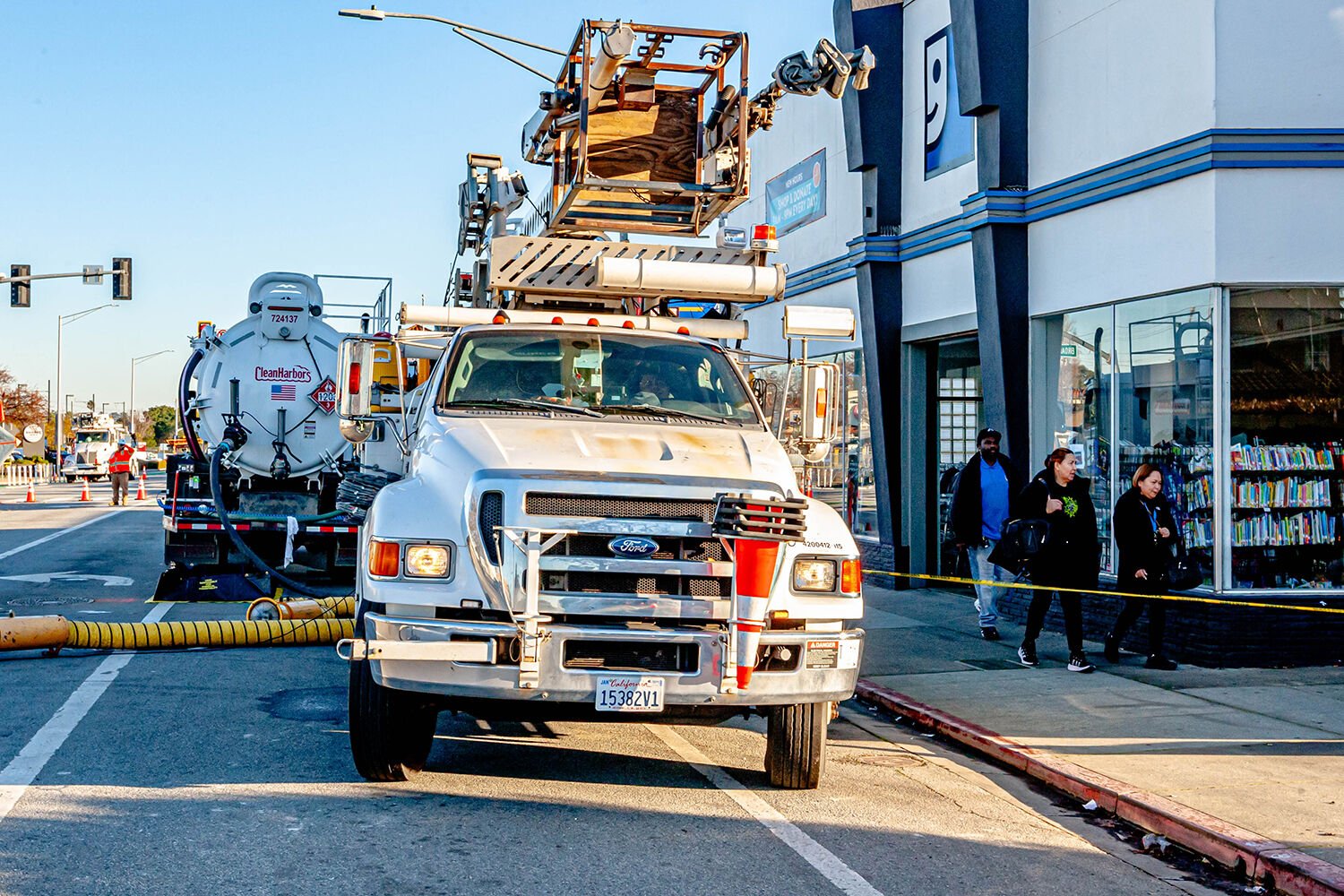
A&A Gas Inc. and Mash Petroleum Inc., the fuel services operator and owner at A&A Gas & Mart, have been named as responsible parti…
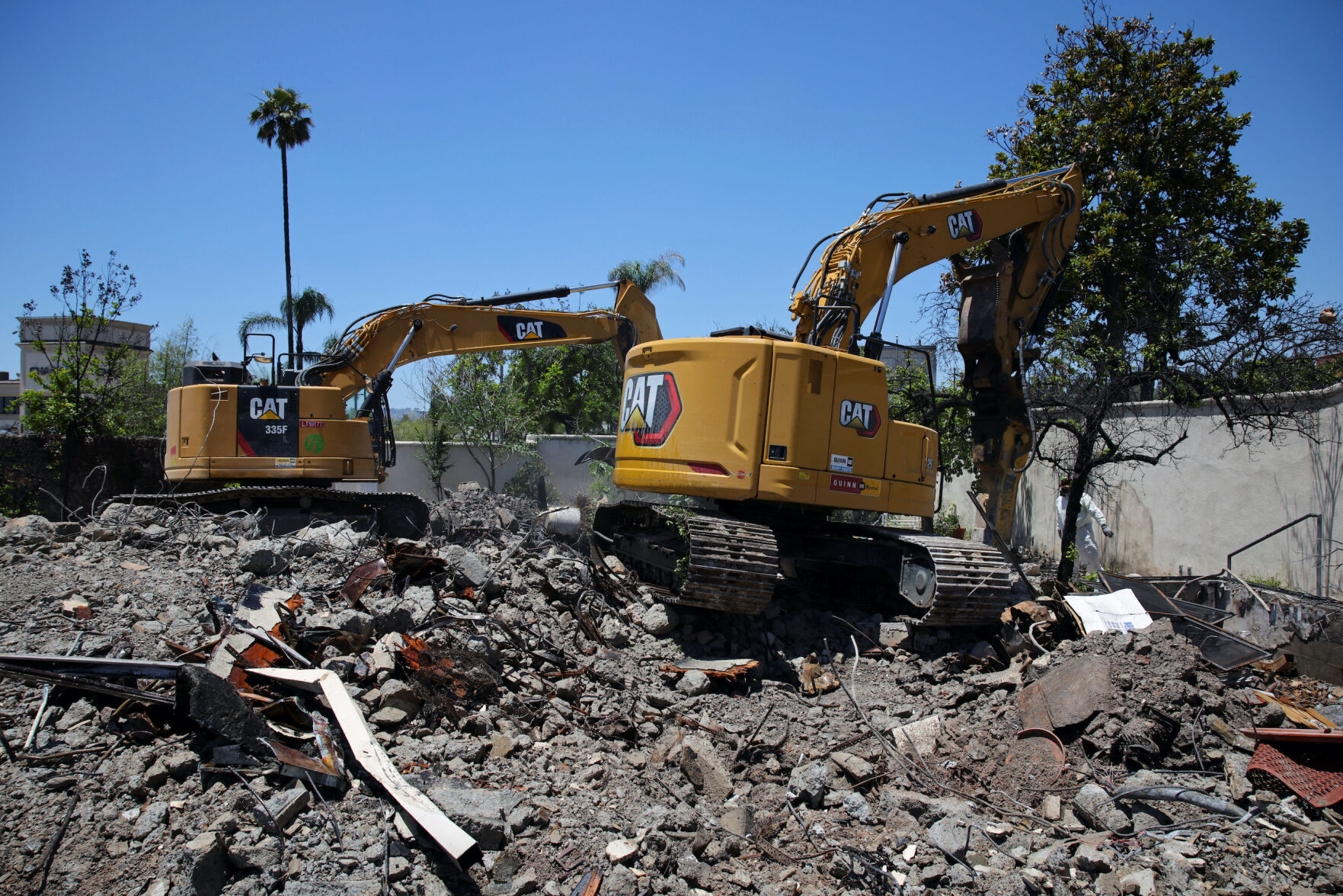
It's been a year of heartbreak and chronic worry since the most destructive wildfires in the Los Angeles area's history scorched neighborhoods and displaced tens of thousands of people. The two blazes that ignited during fierce winds on Jan. 7, 2025, killed 30 people and destroyed nearly 17,000 structures, including homes, schools, businesses and places of worship. Rebuilding will take years. People whose homes were left standing are still living with the hazards, including new trauma for those afraid of what still lurks inside. A crowdsourced data effort by Altadena residents has found many homes still standing remain unsafe.

Starting this year, California consumers will pay a 1.5% fee on all products with an embedded battery under a law that aims to curb the risk of battery fires and increase the recycling of lithium batteries. The surcharge, capped at $15, expands a recycling program that has been collecting computer monitors and TVs for two decades. Consumers will pay the fee when buying any product with an embedded battery, whether it's rechargeable or not. Under harsh conditions at recycling and waste facilities, lithium-ion batteries can catch fire and even explode. Supporters of the law say a small fee to fund proper collection is cheaper than fires that can cause millions of dollars in damages.

As Silicon Valley Clean Water, a wastewater treatment organization in the mid-Peninsula, celebrates 50 years of service, innovative projects a…
Testing is nearing completion on the highly-anticipated San Mateo and Foster City wastewater treatment plant.


