

California is not only the nation’s most populous state; it’s also the nation’s most economically, ethnically, culturally and even geographica…
California is not only the nation’s most populous state; it’s also the nation’s most economically, ethnically, culturally and even geographica…

Young students are still struggling to bounce back academically from the pandemic, even though many were babies at the time. In new data from research and testing company NWEA, first and second graders are scoring below kids pre-pandemic in math and reading. Math scores have risen a little each year. Reading scores have stayed flat. Researchers say the problem looks bigger than impacts from the pandemic. They point to emerging data that suggest parents are reading less to kids. Some districts say stronger phonics lessons and frequent check-ins help reading recover. And some states are expanding pre-K to boost early literacy.

A new California law is pushing for phonics-based reading instruction in elementary and middle school classrooms. The law provides training for school principals and reading specialists in the "science of reading," a method focused on vocabulary, comprehension and sounding out words rather than learning words by sight. The approach has led to improved reading scores in Mississippi, Louisiana and districts like Los Angeles Unified, which adopted it several years ago. The law also updates the state's list of textbooks, flash cards and other classroom reading materials to align with a phonics-based approach. The legislature passed the bill unanimously after it was made optional for schools to adopt phonics as a learning method.
Marion Joseph died in 2022 and therefore cannot celebrate what at long last is happening in California to improve children’s abysmal levels of…
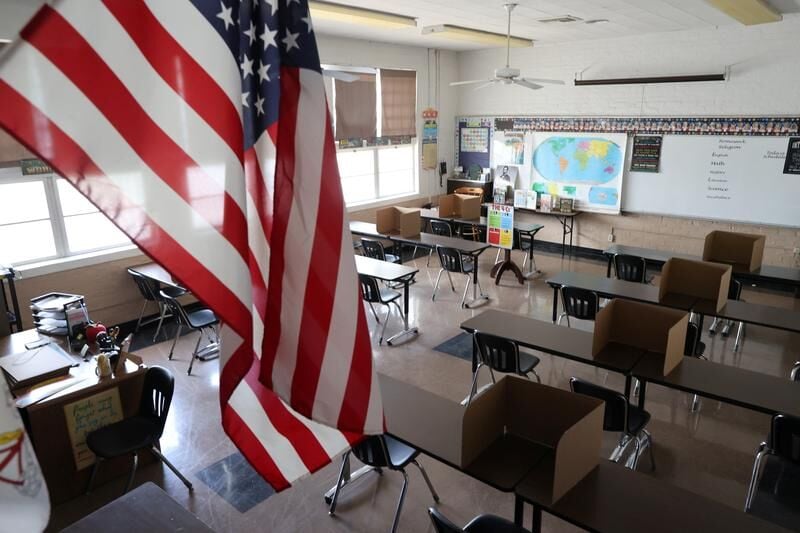
TK-12 schools and community colleges can expect the same funding in 2025-26 that they received this year — plus a small cost-of-living adjustm…


Five years ago, when Esti Iturralde’s daughter was in the first grade, the little girl struggled with learning to read. The teacher told her m…
New results from a national exam find that America's children have continued to lose ground on reading skills in the wake of the COVID-19 pandemic and have made little improvement in math. The findings are yet another setback for U.S. schools and reflect the myriad challenges that have upended education. The national exam results also show growing inequality: While the highest-performing students have started to regain lost ground, lower-performing students are falling further behind. Given every two years to a sample of America's children, the National Assessment of Educational Progress is seen as one of the best gauges of the academic progress of the U.S. school system.
In 2014, the California State Board of Education adopted the evidence-based and standards-driven English Language Arts/English Language Develo…


