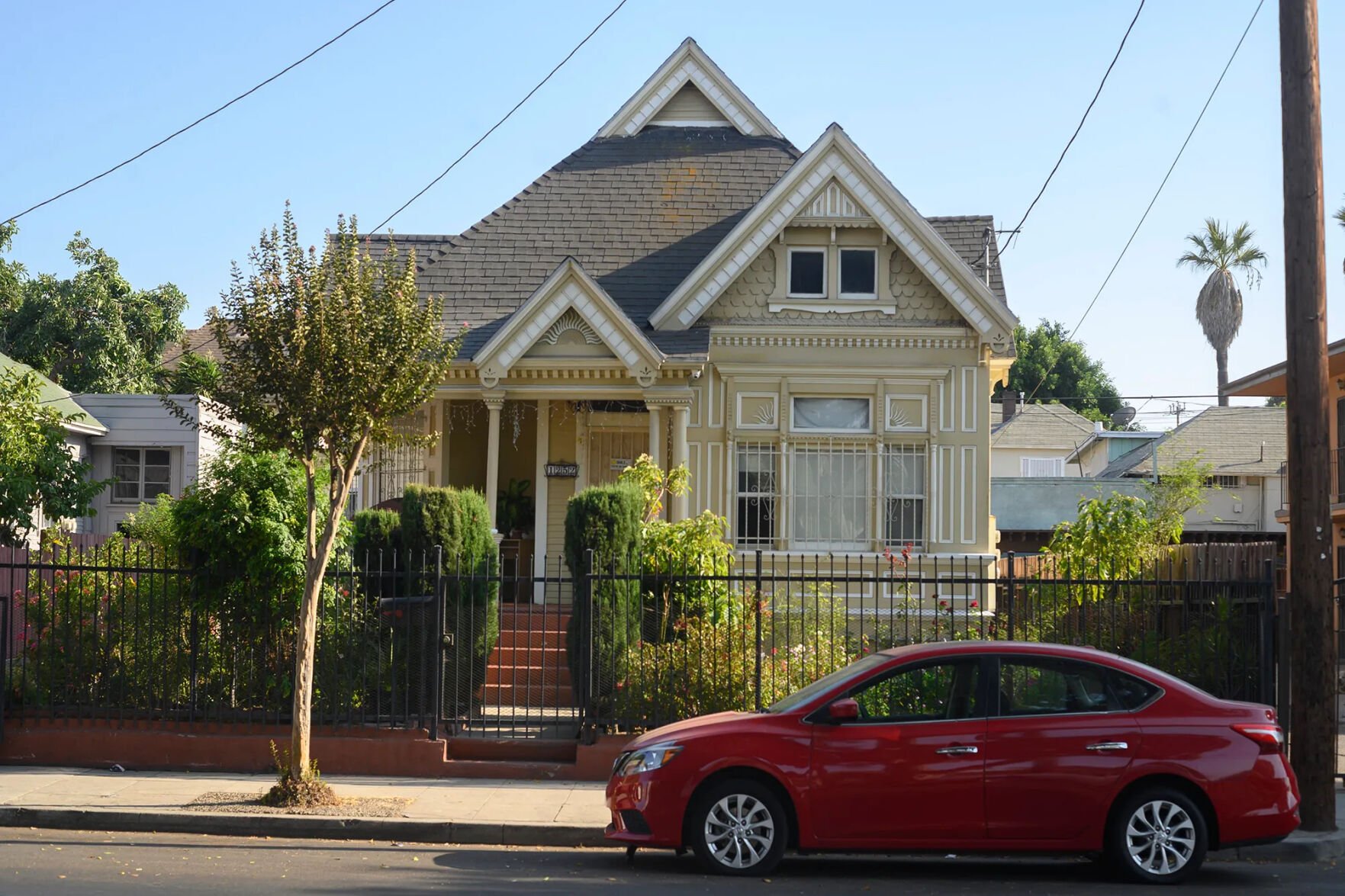
The average long-term U.S. mortgage rate eased this week from its highest level in nine months, welcome relief for prospective homebuyers. Mortgage buyer Freddie Mac said Thursday that the benchmark 30-year fixed rate mortgage rate fell to 6.48% from 6.53% last week. The average rate remains below 6.85%, where it was a year ago. When mortgage rates decline they give homebuyers more purchasing power. Mortgage rates are influenced by several factors, from the Federal Reserve's interest rate policy decisions to bond market investors' expectations for the economy and inflation.
White House economists estimate the United States has a shortage of 10 million houses. That's according to a report out Monday. It says more construction would lower prices, increase home ownership and fuel faster economic growth. President Donald Trump's approval ratings have slumped because of concerns over his handling of the economy. Trump has taken some steps to make it easier to build houses, but he's been slow to embrace other measures. The new report is from the White House Council of Economic Advisers. It lays out a blueprint for how more construction could help the middle class and the economy, setting up an argument Trump could make to voters.
California is considering getting into the construction insurance business to help factory-built housing scale up and cut costs. The move is an effort to put a dent in the state's housing shortage. Lawmakers led by Assemblymember Buffy Wicks rolled out a package of bills that trims rules and standardizes approvals. One bill stands out. It has the state backstop surety bonds for housing factories by covering part of payouts in extreme failures. Supporters say factories get stuck in a doom loop. Developers demand bonds. Insurers demand a track record. Factories cannot get work to build one. Critics say direct funding could help more, and taxpayers could face unknown risk.
By CHARLOTTE KRAMON, ALEX VEIGA and MARY CLARE JALONICK Associated Press
In a rare bipartisan effort for a deeply divided Congress, the Senate has passed a broad bill to make U.S. housing more accessible and affordable. The bill passed on Thursday would reduce regulations, regulate corporate investors and expand how housing dollars can be used to build affordable homes and rentals. It now heads back to the House, which passed a separate version earlier this year. It is unclear whether President Donald Trump would sign it after declaring last weekend that he won't sign any new measures unless Congress passes legislation that would require voters to show proof of citizenship.
Inflation declined a bit last month as prices for gas and used cars fell, a sign that cost pressures are slowly easing. The Labor Department said Tuesday that consumer prices rose 0.3% in December from the prior month, the same as in November. Excluding the volatile food and energy categories, core prices rose 0.2%, also matching November's figure. Even as inflation has eased, the large price increases for necessities such as groceries, rent, and health care have left many American households feeling squeezed, turning "affordability" issues into high-profile political concerns.
Owning a home is a benchmark of success and a way to amass wealth. But in California, with increasing home prices and mortgage interest rates above 6%, combined with rent control policies, it might make more financial sense to rent. For some, renting is necessary because they cannot afford to buy. Others may rent and put additional money into the stock market or other investments to build wealth. The advantages of buying a single-family home include extra space, a sense of security and likely better schools than might be available to people living in apartments. California's homeownership rate of 55% is second lowest in the nation and a full 10 percentage points below the national average.
A federal lawsuit filed by U.S. Rep. Eric Swalwell accuses the Trump administration's top housing regulator of abusing his position to misuse private mortgage records belonging to Swalwell and other Democratic critics of the Republican president. Swalwell sued Federal Housing Finance Agency Director Bill Pulte on Tuesday — less than two weeks after Pulte formally referred the California Democrat to the Justice Department for possible criminal prosecution on mortgage fraud charges. Swalwell is seeking a court order for Pulte and his agency to withdraw the criminal referral. Pulte didn't immediately respond to a text message and telephone call seeking comment on the lawsuit.