By MEGAN JANETSKY, DAVID KLEPPER and AAMER MADHANI Associated Press
Updated
Two U.S. officials killed in a vehicle crash as they returned from destroying a clandestine drug lab in northern Mexico over the weekend were working for the CIA. That's according to a U.S. official and two other people familiar with the matter who spoke on the condition of anonymity Tuesday. The crash also killed two Mexican investigators. Mexican authorities say the group was returning from an operation to destroy the drug labs of criminal groups. The crash has sparked debate over U.S. involvement in Mexican security operations. Mexican President Claudia Sheinbaum faces pressure from U.S. President Donald Trump's administration to crack down on cartels. The CIA and State Department have declined to comment.
Production of mezcal in Mexico is booming. That is to meet growing demand of the increasingly popular spirit in the United States. The boom in production has both created opportunities for producers, particularly in the state of Oaxaca, and come with environmental costs. One study found that plantations of agave, used to make mezcal, have expanded by over 400% over the past three decades, increasingly replacing forests and farmland with a species of agave known as espadin, used in most commercial mezcal. The loss of trees and vegetation is accelerating soil erosion, reducing the land's ability to capture carbon and recharge groundwater, creating heat islands in heavily planted areas.
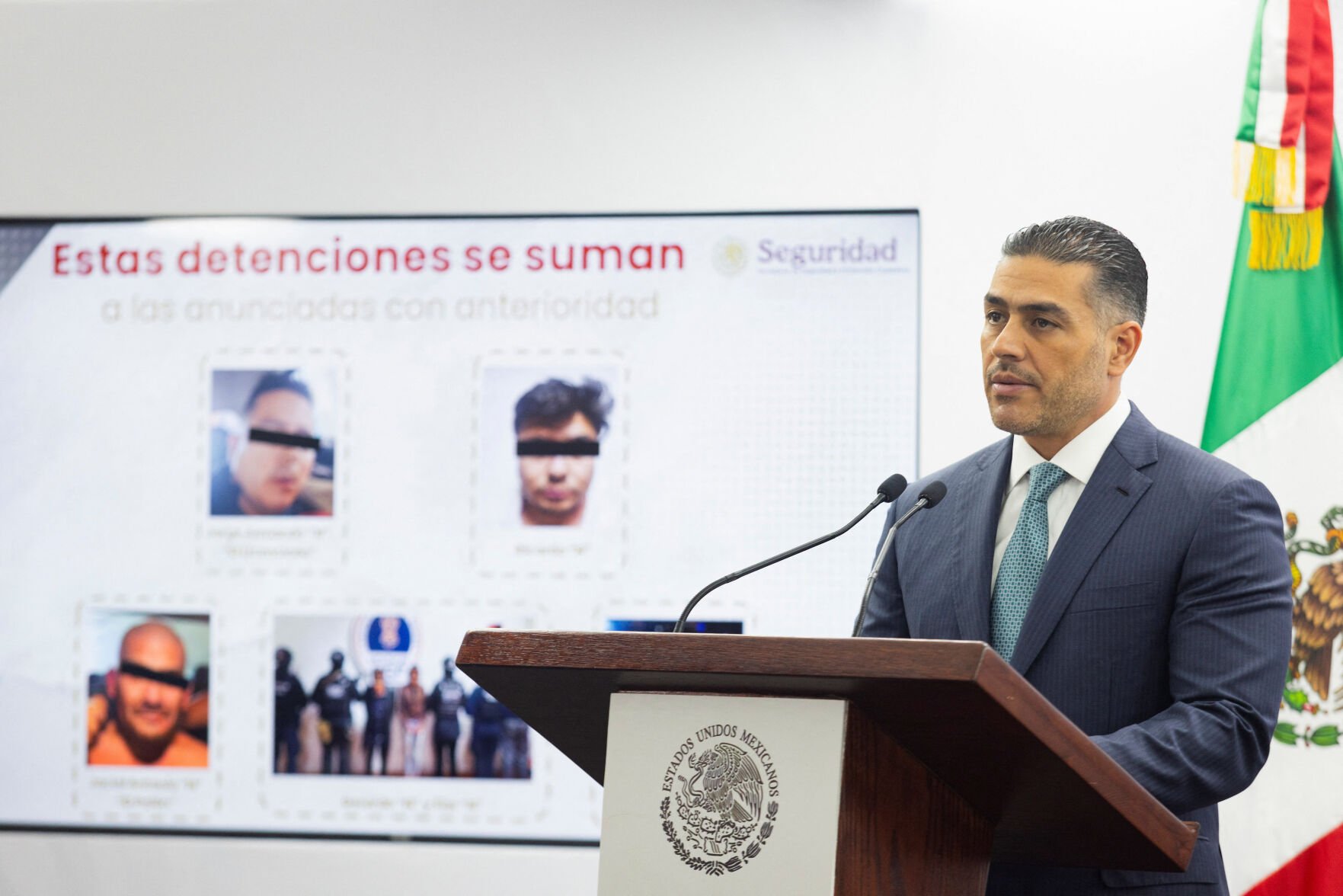
Mexico's security minister says the country has sent 37 more cartel members to the United States. The announcement came Tuesday as the U.S. increases pressure on governments to tackle drug smuggling networks. In a social media post, Mexican Security Minister Omar García Harfuch described the individuals as "high impact criminals" posing a significant threat to national security. This marks the third time in the past year that Mexico has transferred detained cartel members to the U.S. Harfuch noted that the government has sent a total of 92 people so far.
By RAMÓN BRAGAÑA and EDGAR CLEMENTE Associated Press
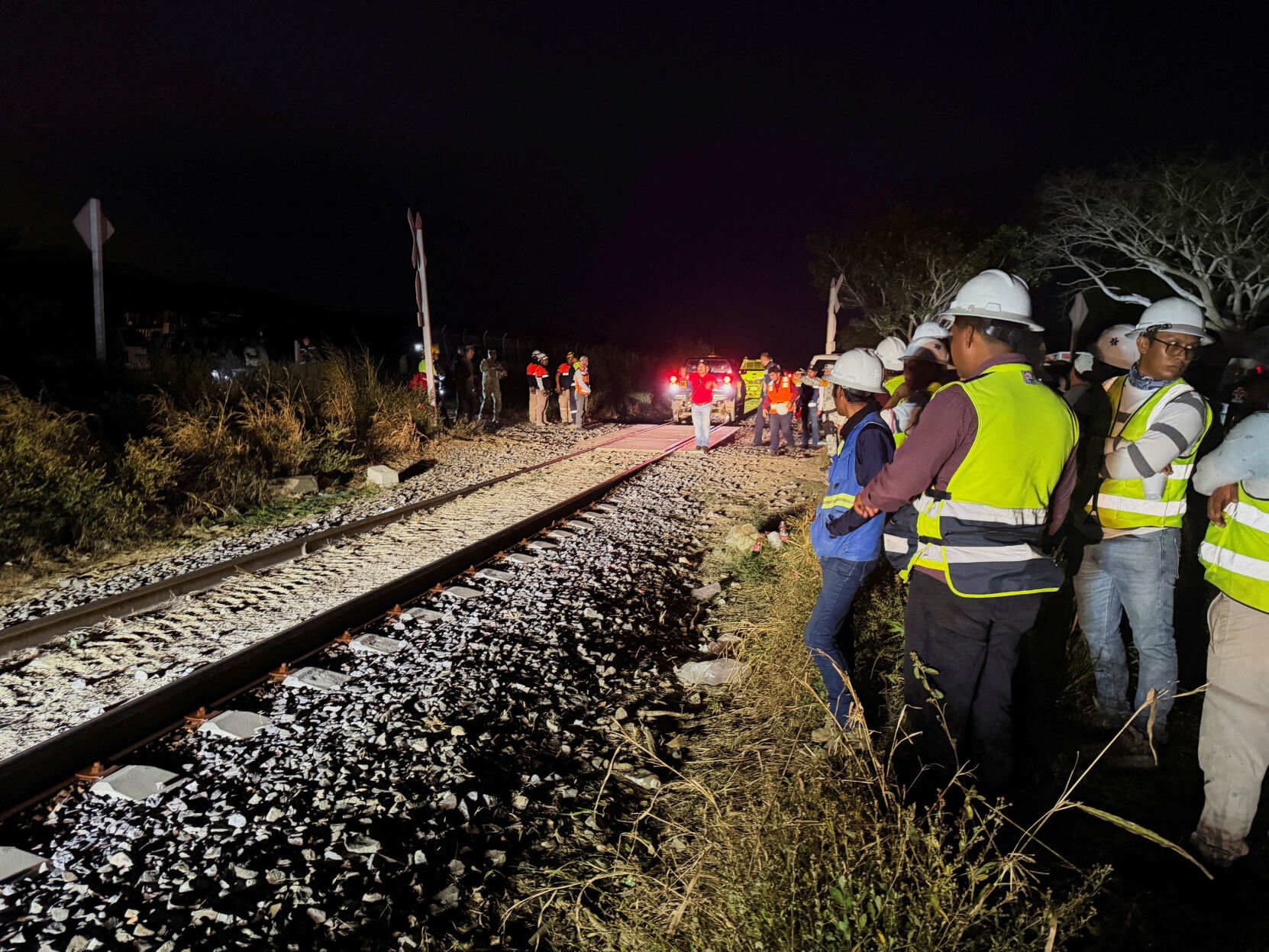
Survivors and families of the victims of a deadly train crash in southern Mexico are demanding answers as the government vows to investigate what caused a train to derail on a rail line connecting the Pacific Ocean with the Gulf of Mexico. Thirteen people, including a teenager, died when the Interoceanic Train linking the states of Oaxaca and Veracruz — with 250 people on board — went off the rails on Sunday as it passed by a curve in near a town in Oaxaca. Nearly 110 people were injured. President Claudia Sheinbaum, told reporters on Monday she was heading to the region and promised an investigation. She said "our first priority is taking care of the victims."
Mexican-American clothing designer Willy Chavarria has apologized for an Adidas sandal that he created after being accused by Mexican authorities of "cultural appropriation" for copying an indigenous shoe design. The design launched by Adidas is known as the Oaxaca Slip On." It's a black sandal with braided leather straps attached to a chunky sports shoe sole. Mexican artisans and authorities say the intricate leather braids look strikingly similar to the traditional footwear known as huaraches made by the Zapotec Indigenous people in Oaxaca. Chavarria responded to mounting criticisms in a statement addressed to the "people of Oaxaca" in comments sent to The Associated Press on Tuesday. He said that "I am deeply sorry."
By LUIS ALBERTO CRUZ and FABIOLA SÁNCHEZ Associated Press
Hurricane Erick has made landfall in the western part of Oaxaca state in Mexico. Earlier, forecasters upgraded Erick to an "extremely dangerous" Category 4 hurricane before lowering it to a Category 3. Early Thursday, the hurricane's center was located about 20 miles east of Punta Maldonado. Its maximum sustained winds were clocked at 125 mph. It was moving northwest at 9 mph.
Cinco de Mayo festivities are taking place across the U.S. with music, tacos and tequila flowing. In the U.S., the date is seen as a celebration of Mexican American culture, stretching back to the 1800s in California. Festivities include parades, street food, mariachi competitions and folkloric ballet — some playing on stereotypes. In Mexico where it's designated a holiday, it marks the anniversary of the 1862 victory by Mexican troops over invading French forces at the Battle of Puebla. The day falls on a Monday this year, meaning many of the events happened over the weekend. Still, Monday offers history lessons and festivals to enjoy.
U.S. President-elect Donald Trump is set to take office in January with a promise of carrying out mass deportations, leaving Honduras and other Central American countries bracing for a potential influx of vulnerable migrants — a situation they are ill-prepared to handle. Migrants and networks aiding deportees in Central America's Northern Triangle worry their return could thrust them into even deeper economic and humanitarian crises, fueling migration down the line. "We don't have the capacity" to take so many people, said Antonio García, Honduras' deputy foreign minister. "There's very little here for deportees." People who return, he said, "are the last to be taken care of."