U.S. meteorologists say an El Nino has formed. That's the natural warming of parts of the Pacific that changes weather around the globe. It is likely to a major factor in extreme and deadly weather across the planet for the next year or so. The one announced Thursday is expected to rival the record and costly 1997-98 El Nino. It is usually strongest in the wintertime, and it makes it incredibly likely that 2027 will set a record for the hottest year globally. The United Nations secretary-general says El Niño conditions will pour fuel on the fire of a warming world.
A new report from the United Nations weather agency gives a three-out-of-four chance that the next five years will average more than 1.5 degrees Celsius above preindustrial temperatures. That's the international safety limit set in 2015. There's an even higher chance — 86% — that one of the next five years will smash the global heat record set in 2024 and next year looks like a leading contender. So expect more extreme weather. The next five winters in the Arctic are predicted to be nearly 3 degrees Fahrenheit warmer than the last five years. Meteorologists also forecast an Amazon drought that may spark wildfires.
A spring heat wave is scorching parts of Western Europe, breaking temperature records and triggering government warnings. A temperature of 95 Fahrenheit was recorded in London on Tuesday. On Monday, London hit 95.2 F, smashing the previous record of 91.4 F set in 1922 and 1944. France is also seeing record temperatures, with temperatures reaching 97°F. Several drownings have been reported in Britain and France as people try to cool down. Experts say unpredictable and extreme weather is becoming more frequent. The U.K. Health Security Agency issued an amber health alert, warning of potential health risks, especially for older people.
On April 29, 1992, a jury in Simi Valley, California, acquitted four Los Angeles police officers charged with assault and using excessive force in the videotaped beating of motorist Rodney King; the verdicts were followed by six days of rioting in Los Angeles that destroyed hundreds of businesses and resulted in over 60 deaths.
Wildfires used to die down and even stop at night with cooler temperatures and increased humidity. But a study released Friday says climate change is making burning weather more around the clock in North America because night is becoming warmer and drier. Canadian fire scientists say potential burning hours for fires have increased 36% in the last 50 years. California now has about 550 more fire-friendly hours a year than it did in the 1970s. North American summer nights are warming faster than days, evening relief is evaporating for forests and that means the area of land burned is soaring.
By JOHN SEEWER, KATHY McCORMACK and JENNIFER SINCO KELLEHER Associated Press
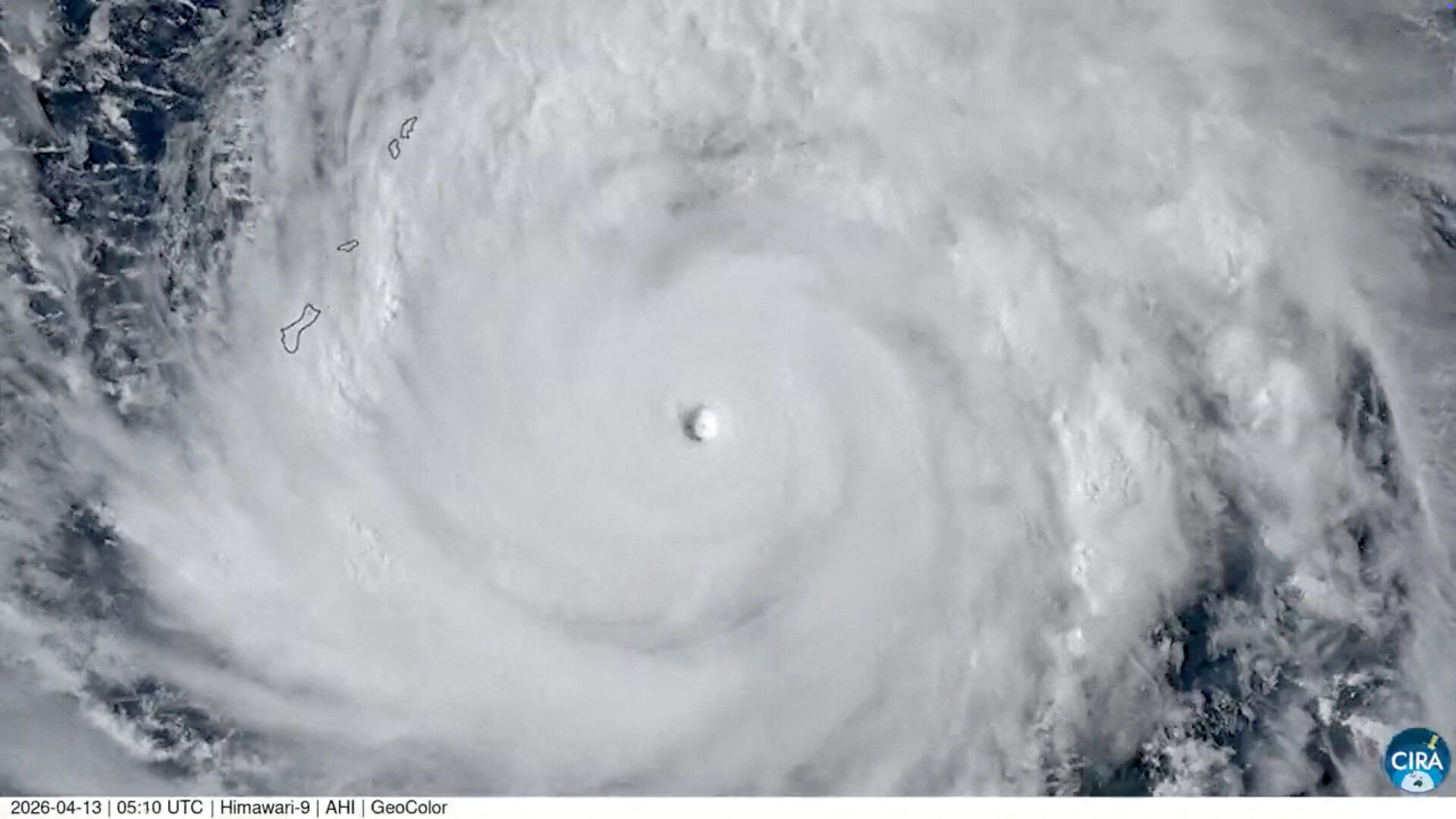
A super typhoon steadily battered a pair of remote U.S. islands in the Pacific Ocean with ferocious winds and relentless rains, shredding tin roofs and forcing residents to take cover from flying tree limbs. Super Typhoon Sinlaku pounded the Northern Mariana Islands for hours before daybreak Wednesday, slowing just to inflict more damage across the islands of Tinian and Saipan, home to nearly 50,000 people. The National Weather Service says the tropical typhoon was packing sustained winds of up to 150 mph when it made landfall on the islands. The weather service says tropical force winds and torrential rainfall also led to flash flooding on Guam, a U.S. territory to the south with several U.S. military installations and about 170,000 residents.