

Featured
Año Nuevo State Park in San Mateo County will once again allow the public access to viewing elephant seals on Saturday after about six weeks o…
Año Nuevo State Park in San Mateo County will once again allow the public access to viewing elephant seals on Saturday after about six weeks o…
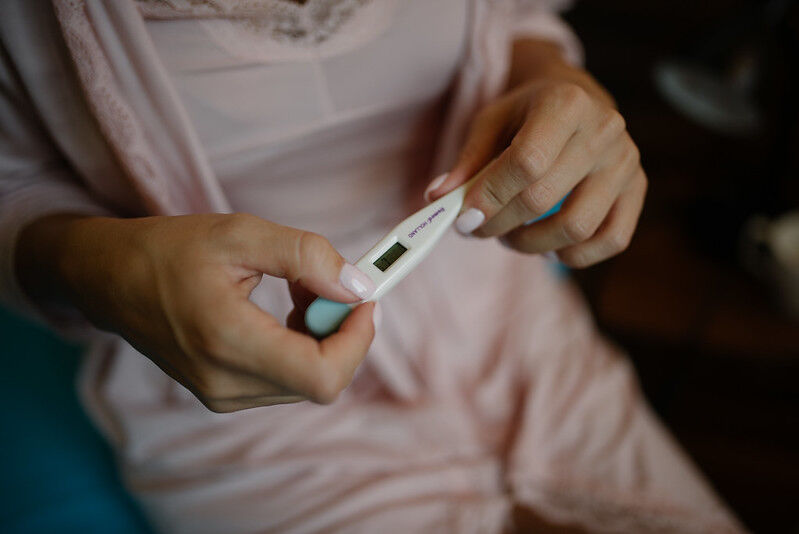
San Mateo County Health is reporting the flu-related death of an adolescent patient in December, the second flu-related death in the county th…

A recent study of schoolchildren finds that the youngest students harbor the most germs. Researchers looked at nasal swabs and symptom reports of more than 800 students and staff in Kansas City, Missouri. Kids in pre-kindergarten and elementary school had the highest rates of virus detection compared with older students and staff. The pre-K kids, ages 3 to 5, had the highest rates of actual illness, too. Young children can have up to 10 respiratory viruses as their immune systems are introduced to different infections for the first time. Those viruses include colds, flu and more.

COVID-19 activity is rising in much of the country. Data shows overall respiratory virus spread is very low in the U.S. But COVID-19 is rising in most states, with more people of all ages going to emergency rooms because of it. The stratus variant is most common. It can cause a "razor blade" sore throat and is considered a "variant under monitoring" by the World Health Organization, but it is only marginally better at evading people's immune systems. Flu and RSV activity remain very low. Doctors say hot summer weather can drive people indoors where respiratory viruses like to spread.
COVID-19 activity is rising in much of the country. Data released Friday by federal health officials shows overall respiratory virus spread is low. But COVID-19 is rising in many states in the mid-Atlantic, the South, the southeast and on the West Coast. More people of all ages are going to emergency rooms because of COVID-19. Flu and RSV activity remain very low. Doctors say hot summer weather can drive people indoors where respiratory viruses like to spread.

The Trump administration is suing California over its animal welfare laws, claiming they unconstitutionally raised egg prices. The lawsuit challenges voter-approved measures requiring all eggs sold in the state to come from cage-free hens. Federal officials argue the regulations burden egg producers nationwide because of California's economic influence. California officials and animal welfare advocates blame bird flu, not the laws, for past price spikes. Egg prices have recently dropped, but they remain higher than last year. The lawsuit seeks to block California's rules, asserting federal authority over egg production. Industry groups say they will monitor the case while complying with the laws.

U.S. Health Secretary Robert F. Kennedy Jr.'s new vaccine advisory committee endorsed fall flu vaccinations Thursday for just about every American but with a twist: The group says people should only be given shots free of an ingredient antivaccine groups have falsely tied to autism. The seven-member panel, which includes vaccine skeptics, replaced the previous 17-member group earlier this month. Public health officials are worried that ideological decisions could make vaccines less accessible and more expensive for millions of Americans.

Government data shows U.S. retail egg prices have declined for the first time since October. The average price for a dozen Grade A eggs fell to $5.12 in April after reaching a record $6.23 in March, according to the Consumer Price Index released on Tuesday. The average price of eggs of all sizes fell 12.7%, which was the steepest monthly decline since March 1984. Still, U.S. egg prices remain near record highs as a persistent outbreak of bird flu continues to wipe out egg-laying hens. April's store price was 79% higher than a year earlier, when the retail price averaged $2.86 per dozen.
Egg prices again reached a record high in February, as the bird flu continues to run rampant and Easter and Passover approach. The latest monthly Consumer Price Index showed a dozen Grade A eggs cost an average of $5.90 in U.S. cities in February, up 10.4% from a year ago. That eclipsed January's record-high price of $4.95. If prices remain high, it will be third year in a row consumers have faced sticker shock ahead of Easter on April 20 and Passover, which starts on the evening of April 12, both occasions in which eggs play prominent roles.

Melinda Cardona has experienced several egg shortages in the last 13 years, which is about how long she and her husband have been running theU…


