U.S. producer prices climbed last month at the fastest pace since November 2022, fueled by surging energy prices. The Labor Department reported Thursday that its producer price index — which captures inflation before it reaches consumers — jumped 6.5% from May 2025. It also rose 1.1% from April, same as it did the previous month. Inflationary pressures, intensified by the energy shock caused by the Iran war, are frustrating Americans five months before midterm elections that will determine whether President Donald Trump's Republicans keep full control of Congress.
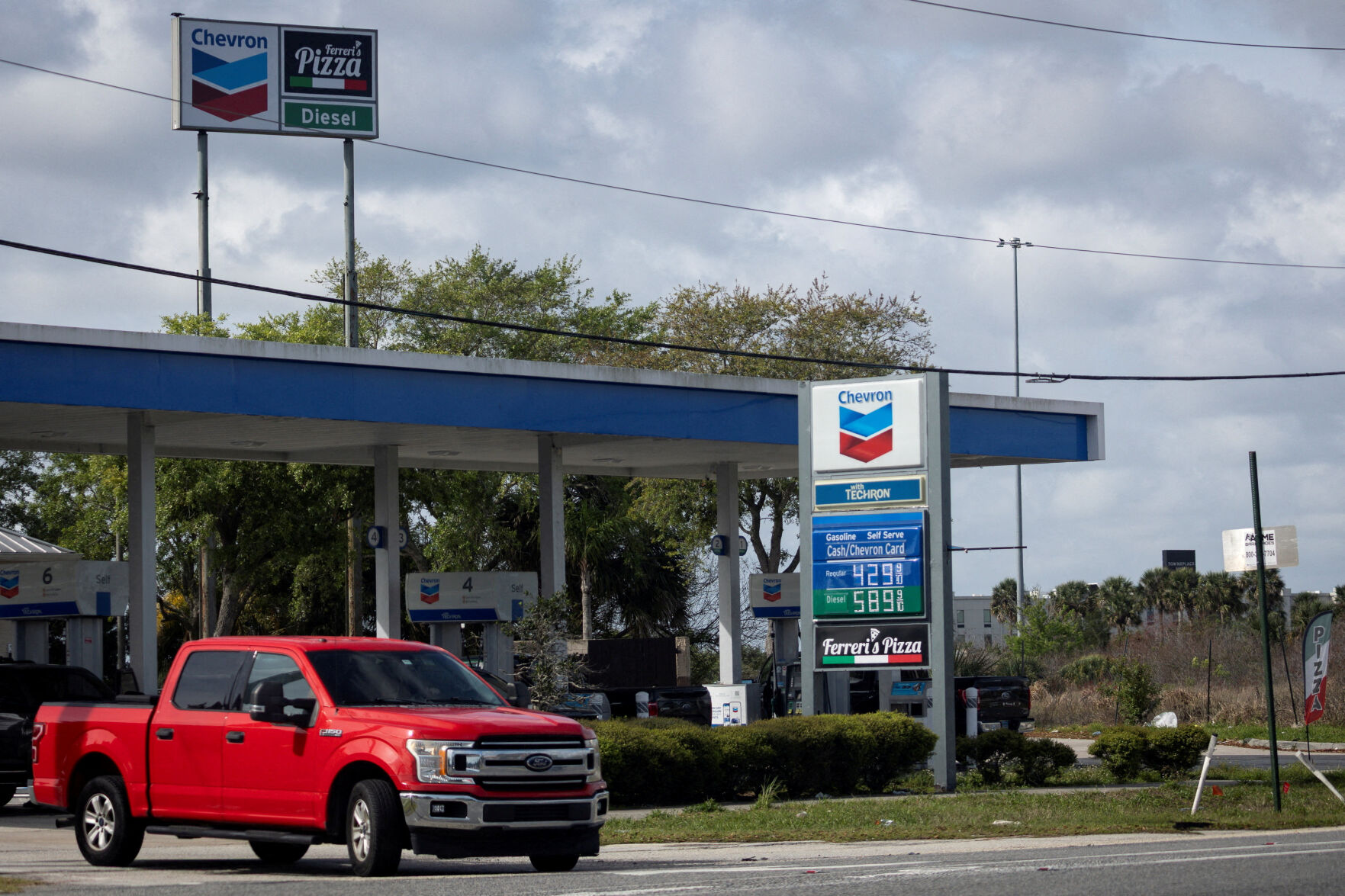
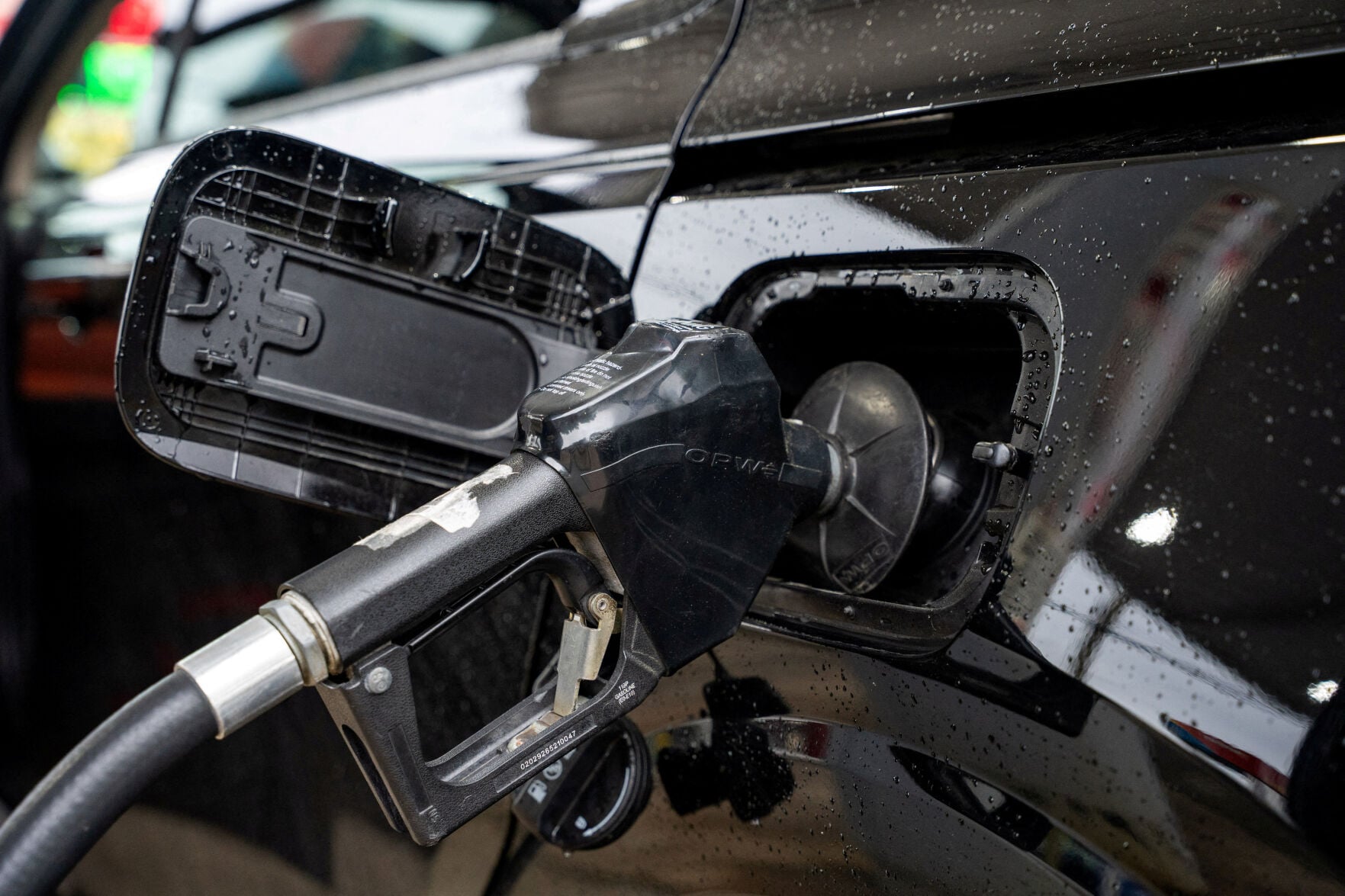
Rising gas prices pushed inflation to its highest level in three years last month, a headache for the Federal Reserve and a potential political challenge for the Trump administration as midterm elections near. New data showed Wednesday that consumer prices rose 4.2% in May from a year earlier, the third straight monthly increase. Prices have now risen faster than wages for several months. Families are dipping into savings to maintain their spending, and more people are falling behind on their credit card bills. Large retailers say they have also noticed changes in customer behavior, like buying smaller amounts of gas during visits to the pump.
By PAUL WISEMAN and ANNE D'INNOCENZIO AP Business Writers
Updated
U.S. employers added a surprising 172,000 jobs in May as the labor market continued to show resilience in the face of rising costs from the Iran war. The Labor Department reported Friday that job growth was down slightly last month from a revised 179,000 in April. The unemployment rate stayed at a low 4.3%. The job market has been recovering this year from a miserable 2025, so far shrugging off higher energy prices and increased economic uncertainty since the United States and Israel attacked Iran in late February.
The average long-term U.S. mortgage rate eased this week from its highest level in nine months, welcome relief for prospective homebuyers. Mortgage buyer Freddie Mac said Thursday that the benchmark 30-year fixed rate mortgage rate fell to 6.48% from 6.53% last week. The average rate remains below 6.85%, where it was a year ago. When mortgage rates decline they give homebuyers more purchasing power. Mortgage rates are influenced by several factors, from the Federal Reserve's interest rate policy decisions to bond market investors' expectations for the economy and inflation.
By JON GAMBRELL, SAMY MAGDY and NASSER KARIMI Associated Press
Iran stopped communicating with mediators after Israel threatened to bomb Beirut as it fights the Lebanese militia Hezbollah. That's according to two semiofficial Iranian news agencies, but U.S. President Donald Trump is disputing the claim and says talks are continuing. The reports on Tuesday by the Fars and Tasnim news agencies come as Iran insists the fighting in Lebanon is part of the wider ceasefire talks with the United States over the war. Israel and the U.S. maintain the fighting in Lebanon is separate from the Iran war talks.
By CHRISTOPHER RUGABER and PAUL WISEMAN Associated Press Writers
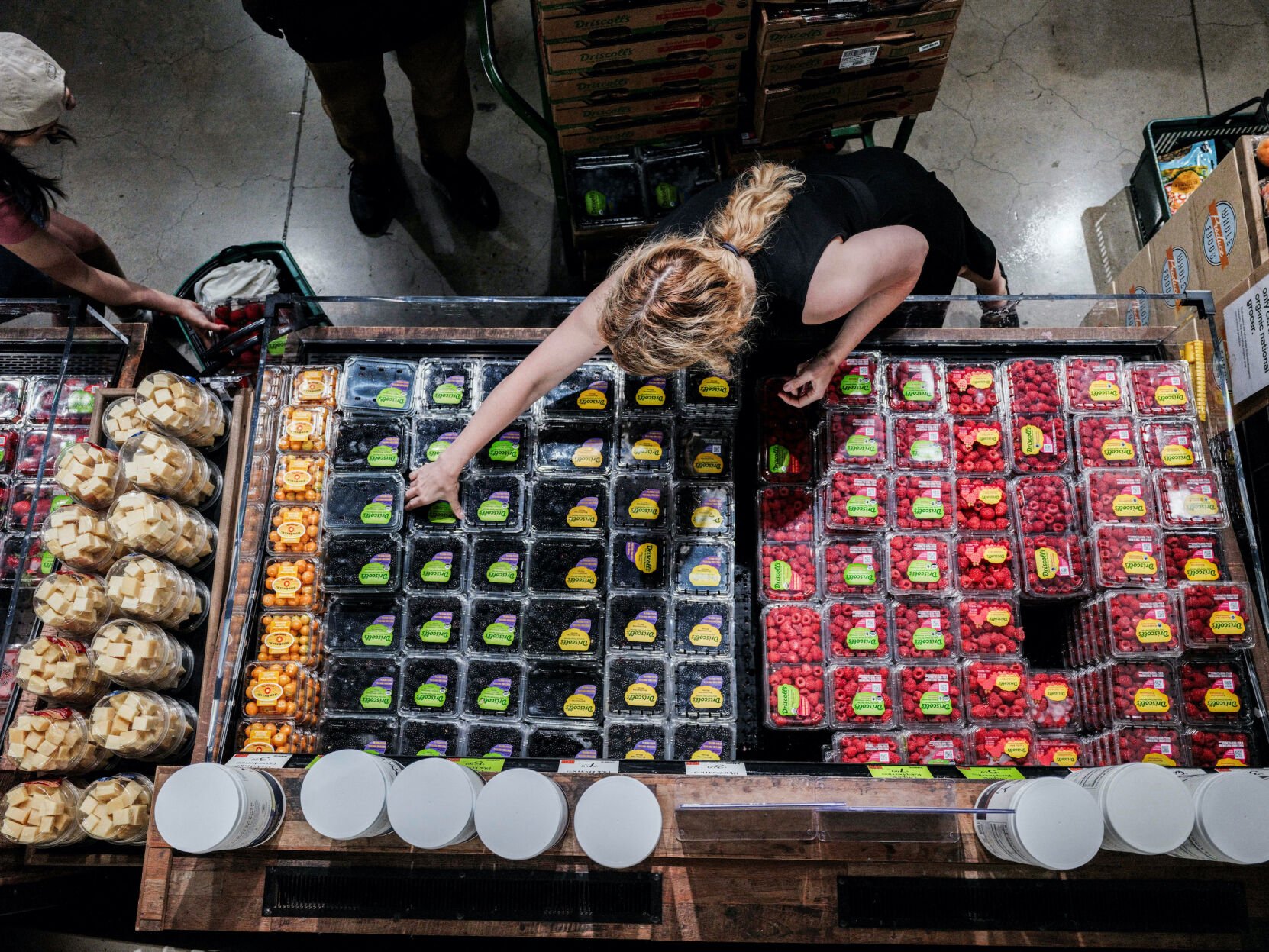
A key inflation gauge accelerated in April to the highest level in three years, the latest sign that spiking gas prices and higher food costs are squeezing Americans' finances. Inflation jumped to 3.8% in April compared with a year ago, the Commerce Department said Thursday, up from 3.5% in March and the highest since May 2023. On a monthly basis, prices rose 0.4%, down from the 0.7% rise in March. The report showed that prices have risen for many items in addition to gas, a sign inflation could persist and pose problems for congressional Republicans in this year's midterm elections.
U.S. consumer confidence declined slightly this month as gas prices stayed high and inflation remained elevated, a sharp contrast to soaring stock prices that have neared record levels. The Conference Board's consumer confidence index on Tuesday slipped 0.7 points to 93.1 in May, the first decline after three months of gains. Americans have soured on President Trump's economic policies, polls show, potentially creating problems for Republicans heading into the midterm elections. Gas prices have soared to a nationwide average of $4.49 a gallon from $2.98 just before the war began at the end of February, and have been at or above $4.50 a gallon for nearly all of May.
By MALAK HARB and KAREEM CHEHAYEB Associated Press
The U.S.-Israeli war with Iran, and the closure of the Strait of Hormuz, have sent economic shock waves across the Mideast. In Lebanon, those woes have been compounded by the country's existing economic problems and by largely unregulated markets that are vulnerable to price gouging. Lebanon was already battered in Hezbollah and Israel's last war, which ended in late 2024 and cost the country an estimated $11 billion in damage and economic losses. The renewed fighting made the situation worse. Now 1.2 million Lebanese have been displaced. Many are sheltering in schools with no work or draining whatever money they have renting out apartments or hotel rooms.
U.S. consumer prices climbed a sharply again last month as the 10-week war with Iran pushed energy prices higher. The Labor Department reported Tuesday that its consumer price index rose 3.8% from April 2025. On a month-to-month basis, April prices were up 0.6% from March as gasoline prices rose 5.4%. Excluding volatile food and energy costs, so-called consumer core prices were up 0.4% last month from March and 2.8% from April 2025, relatively modest readings that suggest the energy price burst isn't yet spilling over much into other prices.