By JON GAMBRELL and MELANIE LIDMAN Associated Press
Israel and Iran appear to be backing away from further strikes, just hours after they traded fire for the first time since the U.S. and Tehran agreed to a ceasefire two months ago. However, both countries warned Monday that they remain ready to launch retaliatory attacks if provoked. The renewed fighting raised concerns that the Middle East could be plunged back into a full-scale war. Iran's military says it has halted offensive strikes but will respond to aggression by Israel or its allies. Israeli Prime Minister Benjamin Netanyahu also hinted the latest round of fighting is over. But he said Israel will respond with force if attacked further by Iran.
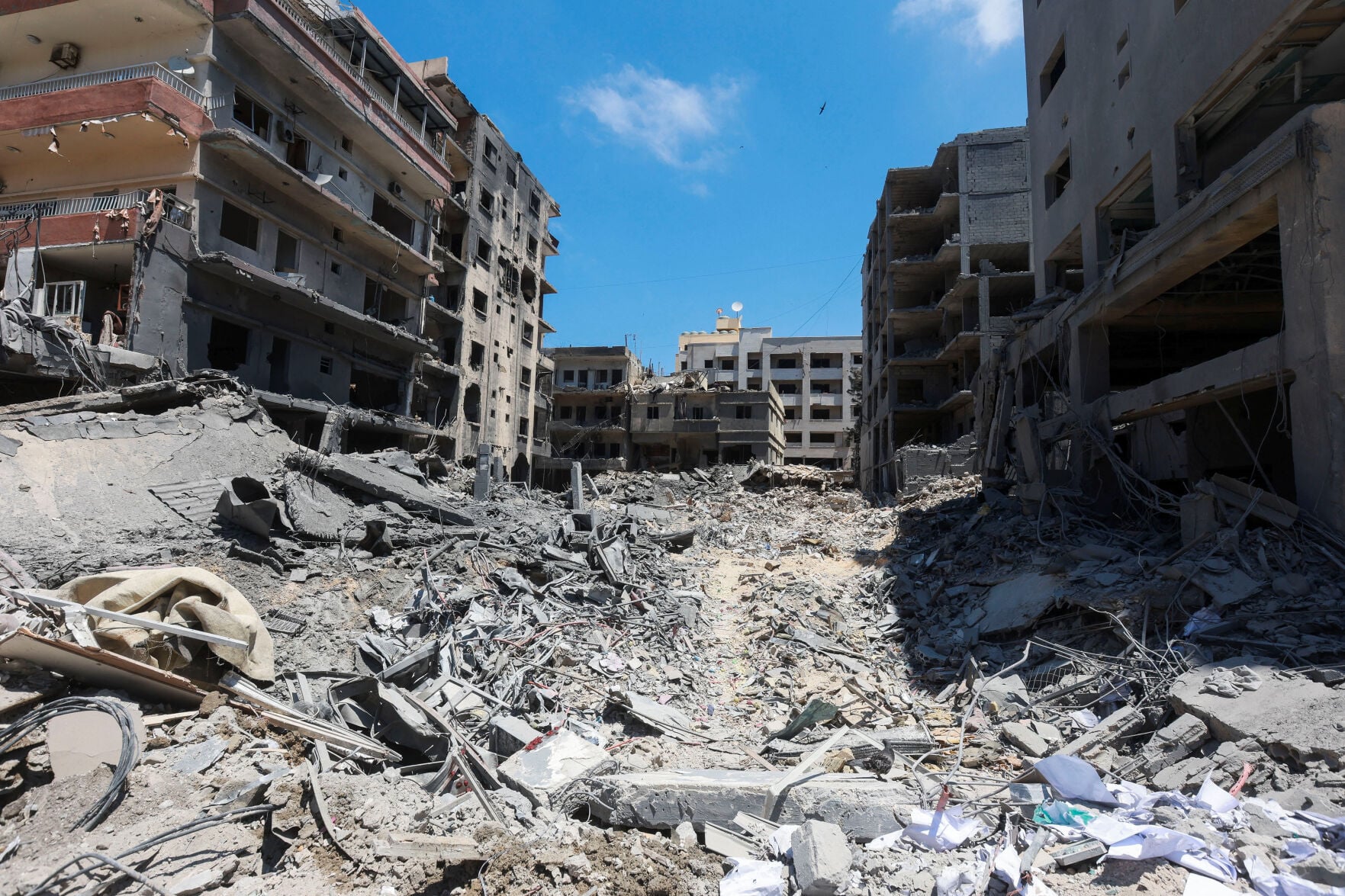
Lebanon's president and prime minister are criticizing Iran for rejecting the latest ceasefire deal between the Lebanese government and Israel. In separate remarks on Friday, they said their country should not be used by Tehran as a "bargaining chip" in its talks with Washington. The comments by the Lebanese leaders came as the Israeli military struck multiple parts of southern Lebanon and issued evacuation warnings for nine villages, including one that has sheltered thousands of people displaced by the three-month war. The strikes killed nine people in six locations in southern Lebanon, the state news agency reported.
President Donald Trump insists he's comfortable with the current holding pattern in the Iran war. But the Republican president faces warnings from foes and allies alike that he's getting boxed in on a conflict he sold as a quick military incursion. There's growing concern inside the administration and from key advisers and allies Trump now finds himself in a bind. That's according to a U.S. official and another person familiar with the administration's internal deliberations. Trump is buffeted by Democrats looking to seize on surging global oil prices sparked by the war and warnings from hawkish members of his base that an early exit from the conflict would amount to capitulation.
By BASSEM MROUE, JON GAMBRELL and SAM METZ Associated Press
Hezbollah has rejected the latest ceasefire agreement between Israel and the Lebanese government and demanded a complete Israeli withdrawal. Thursday's announcement came as local authorities said Israeli strikes killed at least four people. A U.N. peacekeeper was also killed in the crossfire. Hezbollah's leader said the agreement's demand that Hezbollah fighters leave southern Lebanon under fire would mean surrender and defeat. The ongoing fighting in Lebanon, where Israeli forces have seized large swaths of the south, threatens efforts to end the Iran war and reopen the Strait of Hormuz.
By KAREEM CHEHAYEB, JOSH BOAK and SARAH EL DEEB Associated Press
President Donald Trump acknowledged criticizing Israeli Prime Minister Benjamin Netanyahu as "crazy" in a phone call that involved expletives. Trump discussed the tension between the two leaders in an interview released Wednesday. He said he was "a little bit perturbed" that Israel's fighting with Hezbollah in Lebanon was holding back peace talks with Iran. But the president insisted that his relationship with Netanyahu was solid and that they connected, in part, because they are both wartime leaders. The interview with The New York Post's "Pod Force One" offered a sign of the growing pressure Trump faces to resolve the Iran war.
Kuwait says Iranian drones have heavily damaged a passenger terminal at its main, killing one person, wounding dozens and briefly closing the airfield. The reported strike Wednesday is the latest in back-and-forth attacks by Iran and the U.S. that test a fragile ceasefire. Iran denies damaging the airport. The U.S. military says Iran also fired missiles at Kuwait, but they fell apart en route. The U.S. also says it downed drones targeting American forces. The strike reinforced the risks to residents and travelers in Gulf countries that had considered themselves relative havens before the war, now in its fourth month.
Ceasefires have been announced, often to great fanfare, in Gaza, Lebanon and Iran. But the fighting continues. In just the last few weeks, Israeli forces have captured more territory in Gaza and killed two top Hamas militants there, as well as more than a dozen other people. In Lebanon, Israeli troops captured a Crusader fortress over the weekend in their deepest incursion in 26 years, as Hezbollah kept up rocket fire. The fighting in Lebanon showed no sign of letting up on Tuesday, after U.S. President Donald Trump said both sides had agreed — again — to de-escalate. The United States and Iran have traded fire as they try to reach a more lasting truce.
By AAMER MADHANI, BASSEM MROUE, KAREEM CHEHAYEB and NATALIE MELZER Associated Press
U.S. President Donald Trump says Israel and Hezbollah have agreed to dial back fighting after he held talks with Israeli Prime Minister Benjamin Netanyahu and communicated with the Lebanon-militant group through mediators. Trump announced the development Monday in a social media post following a call with Netanyahu. Israeli forces recently made their deepest incursion into Lebanon in more than a quarter-century. Trump's comments emerged after Israel's government ordered strikes on the southern suburbs of Beirut and as Hezbollah fired rockets at northern Israel, including the outskirts of the coastal city of Haifa.
Israel's military says that the air force has carried out an airstrike on a southern suburb of Lebanon's capital. The strike on Thursday afternoon hit an apartment in Choueifat near Beirut's international airport. This comes amid escalating tensions in southern Lebanon where Israeli troops have crossed the Litani River. The Israeli military has intensified attacks against Hezbollah and killed at least 14 people across southern Lebanon. Lebanese and Israeli military officials will hold security talks in Washington on Friday. The Hezbollah militant group say it has carried out multiple drone and rocket attacks targeting Israeli troops in southern Lebanon and northern Israel.
The Israeli military has told residents across southern Lebanon to leave as it expands its operations there. The statement says the military will "work with extreme force" against Lebanon's militant Hezbollah group. The warning on Wednesday is the first since a ceasefire went into effect on April 17, and came amid a rising escalation in the Israel-Hezbollah war, with Israeli troops crossing the Litani River and edging closer to the southern city of Nabatiyeh. The escalation comes two days before Lebanese and Lebanese military officials were scheduled to meet at the Pentagon to discuss among things strengthening the ceasefire agreement.