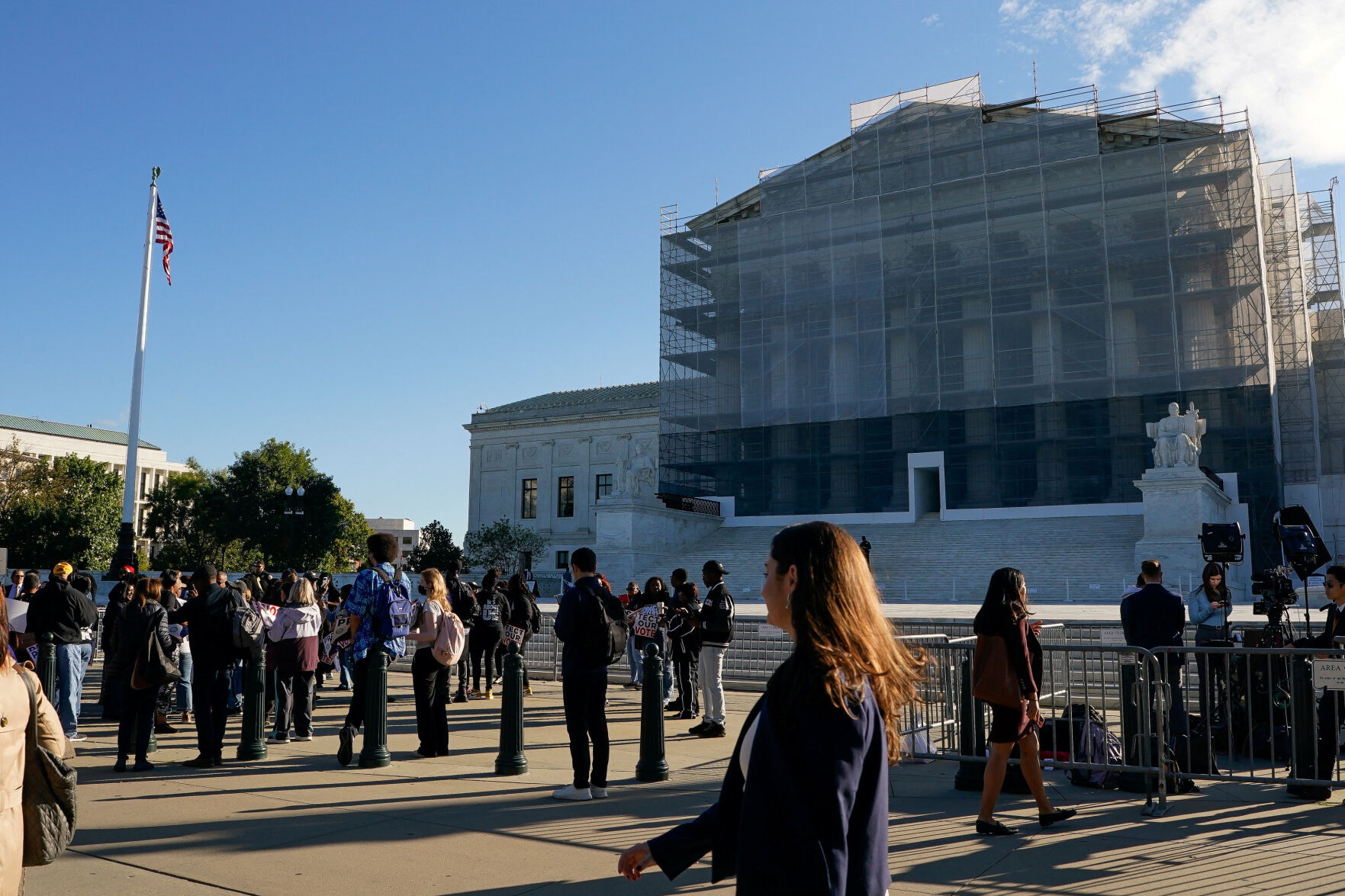
The Supreme Court appears ready to gut a key tool of the Voting Rights Act that's helped root out racial discrimination in voting for more than a half century. Such a change would boost Republican electoral prospects, particularly across the South. During 2 1/2 hours of arguments Wednesday, the court's six conservative justices seemed inclined to effectively strike down a Black majority congressional district in Louisiana because it relied too heavily on race. If that is the outcome, it would mark a fundamental change in the 1965 voting rights law that was the centerpiece legislation of the Civil Rights Movement. The court is expected to rule by early summer in 2026.
A federal judge in New Hampshire has issued a ruling pausing President Donald Trump's executive order ending birthright citizenship from taking effect anywhere in the United States. The judge issued a preliminary injunction Thursday blocking Trump's order and certified a class action lawsuit including all children who will be affected. The judge announced his decision, which includes a seven-day stay to allow for appeal, after an hourlong hearing. The ruling puts the birthright citizenship issue on a fast track to return to the Supreme Court.
On July 9, 1868, the 14th Amendment to the US Constitution was ratified, granting citizenship and "equal protection under the laws" to anyone "born or naturalized in the United States," including formerly enslaved people.
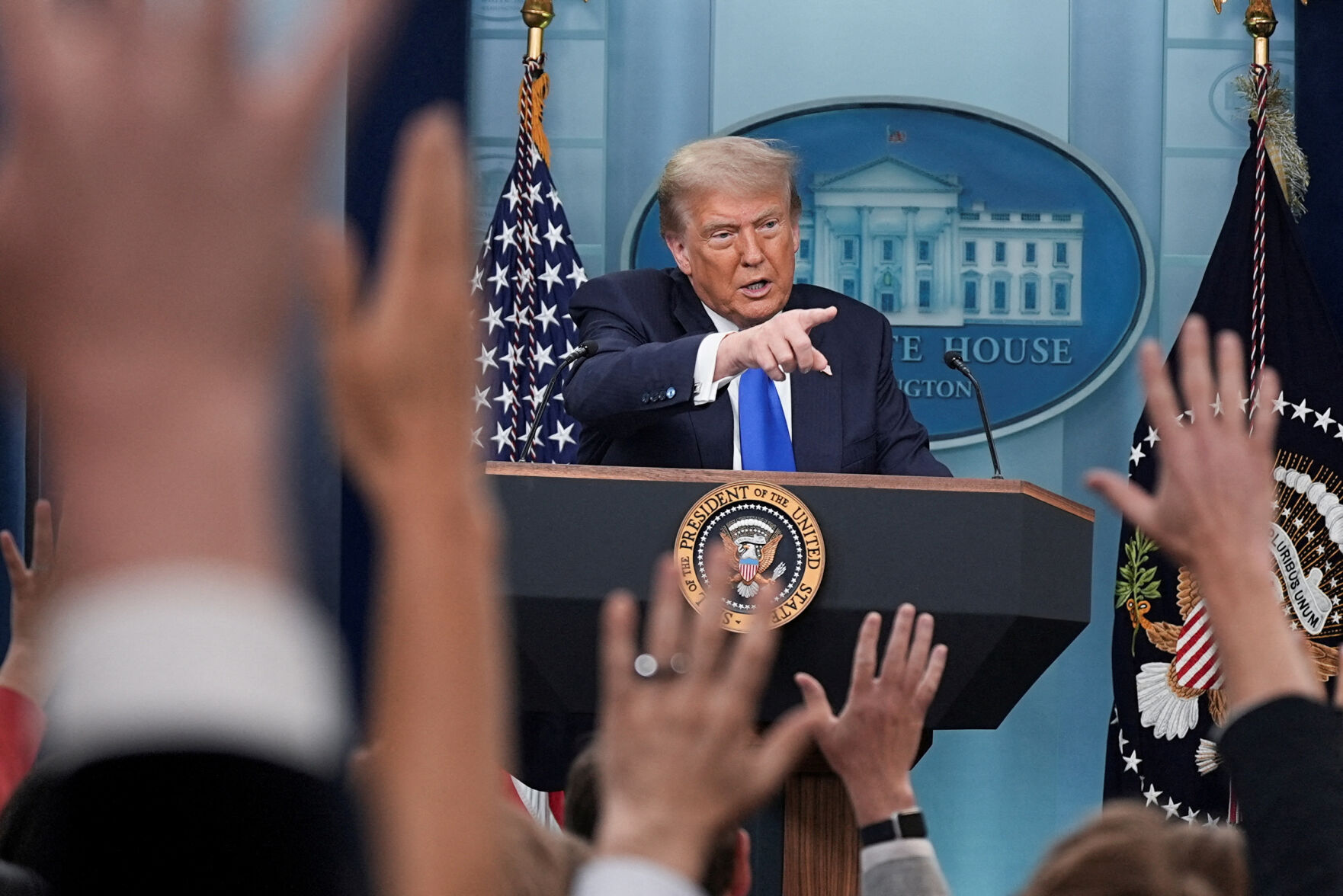
A divided Supreme Court has ruled that individual judges lack the authority to grant nationwide injunctions, but the decision leaves unclear the fate of President Donald Trump's restrictions on birthright citizenship. The outcome Friday was a victory for Trump, who has complained about individual judges throwing up obstacles to his agenda. But a conservative majority left open the possibility that the birthright citizenship changes could remain blocked nationwide. The Republican president's order would deny citizenship to U.S.-born children of people who are in the country illegally. Trump says the court's decision is "amazing" and a "monumental victory for the Constitution," the separation of powers and the rule of law.
On June 26, 2015, in its 5-4 Obergefell v. Hodges decision, the U.S. Supreme Court legalized same-sex marriage across the country, ruling that state-level bans on same-sex marriage violated the due process and equal protection clauses of the Fourteenth Amendment.
By MARK SHERMAN and LINDSAY WHITEHURST Associated Press
The Supreme Court has weighed in twice on President Donald Trump's rapid-fire efforts to remake the federal government. The justices did not give Trump's Republican administration what it sought, rejecting its position in one case that it had the immediate power to fire the head of a watchdog office. In the other case, the court slowed the effort to block the release of up to $2 billion in foreign aid. The court's actions arguably reflect less about whether Trump was right or wrong in either case. Instead, they may stand for a commitment to regular order in a system that typically makes the high court the final stop in legal fights.
By GENE JOHNSON and MIKE CATALINI Associated Press
Updated
A federal judge has temporarily blocked President Donald Trump's executive order ending the constitutional guarantee of birthright citizenship regardless of the parents' immigration status. U.S. District Judge John C. Coughenour in Seattle ruled on Thursday in the case brought by the states of Washington, Arizona, Illinois and Oregon. The states argue that the 14th Amendment and Supreme Court case law have cemented birthright citizenship. Coughenour called Trump's order "blatantly unconstitutional."