
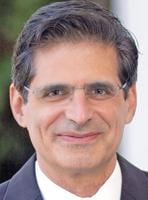
State Sen. Josh Becker, D-Menlo Park, believes California has an opportunity to lead the way in regulating the impact of artificial intelligen…
State Sen. Josh Becker, D-Menlo Park, believes California has an opportunity to lead the way in regulating the impact of artificial intelligen…
State Sen. Josh Becker, D-Menlo Park, on Thursday introduced legislation aimed at curbing the misuse of artificial intelligence to create harm…

I’m a high school junior, which means I’ll be putting on a cap and gown next year. But before I do, I’d really like to see California formally…

California Attorney General Rob Bonta on Wednesday announced an investigation into how and whether Elon Musk's X and xAI broke the law in the …

Malaysia and Indonesia have blocked access to Elon Musk's AI chatbot Grok as concerns grow over its misuse in generating explicit images. Authorities in the Southeast Asian countries cited concerns about nonconsensual and sexual deepfakes. Both nations have demanded stronger safeguards from Musk's platform X to prevent abuse. The U.K. media regulator said it has launched an investigation. Grok was launched in 2023. It has faced global scrutiny for its image generator feature. An emailed request for comment by The Associated Press to Musk's xAI resulted in an automated reply from the media support address that said, "Legacy Media Lies."
Elon Musk's AI chatbot Grok is under fire for generating sexualized images of women and children without consent. On Tuesday, Britain's technology official demanded urgent action from Musk's platform X. A Polish lawmaker cited Grok as a reason to enact digital safety laws. The European Union, along with officials in France, India, Malaysia, and Brazil, has condemned the platform and called for investigations. Grok Imagine, launched in August, allows users to create images with text prompts, including adult content. The controversy highlights the dangers of AI-generated deepfake images. X said it takes action against illegal content, including child sexual abuse material, by removing it.

Tech advocacy group Public Citizen has demanded OpenAI withdraw Sora 2, citing safety concerns and threats to democracy from the AI video generator. The group argues that OpenAI has prioritized market speed over safety. OpenAI has faced backlash from public figures and has made some changes, but critics say these responses are insufficient and reactive. OpenAI launched the new Sora app on iPhones last month and on Android phones last week. Since then, AI-generated videos made on the app have flooded onto other social media platforms like TikTok, X, Instagram and Facebook.

A few weeks ago, a video popped up on YouTube, purporting to be a verbal clash between Sen. Josh Hawley, a Missouri Republican, and Gov. Gavin…

The use of deepfakes to impersonate high-level officials in the U.S. presents a growing security challenge. Deepfakes also disrupt corporate boardrooms and family living rooms. Advances in artificial intelligence mean it's easier and cheaper than ever before to create lifelike audio and video. These deepfakes can be used for gaining access to sensitive systems, for committing corporate espionage and for stealing national security secrets. But the size and scope of the problem are also prompting research into the best ways to counter it. Tech companies say new programs will help governments, businesses and everyday people detect deepfakes and ensure the people they see on the screen are who they say they are.

The State Department is warning U.S. diplomats of attempts to impersonate Secretary of State Marco Rubio and possibly other officials using AI-driven technology. That's according to two senior officials and a cable sent last week to all embassies and consulates. The warning came after the department discovered that an impostor posing as Rubio had tried to reach out to at least three foreign ministers, a U.S. senator and a governor. Those details were laid out in a July 3 cable first reported by The Washington Post. The recipients of the scam messages weren't identified in the cable shared with The Associated Press. The State Department says it's investigating.


